

Оптимизация чувствительности фотоэлектрических выключателей для повышения эффективности систем
В современном мире автоматизация процессов играет ключевую роль в повышении производительности и снижении затрат. Одним из фундаментальных компонентов автоматизированных систем являются фотоэлектрические выключатели, которые широко используются для обнаружения объектов, контроля движения и обеспечения безопасности. Однако их эффективность напрямую зависит от точной настройки чувствительности. В этой статье мы глубоко погрузимся в стратегии оптимизации чувствительности этих устройств, обсуждая технические основы, практические методы и будущие инновации, чтобы помочь инженерам и специалистам максимизировать производительность своих систем.
Введение в фотоэлектрические выключатели
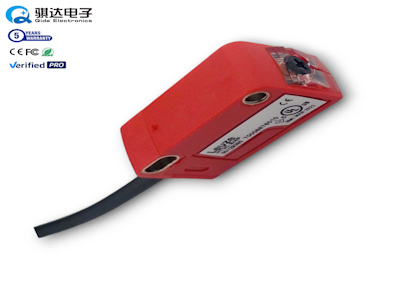
Фотоэлектрические выключатели, также известные как фотоэлектрические датчики или оптические выключатели, являются электронными устройствами, которые используют свет для обнаружения наличия или отсутствия объектов. Они состоят из излучателя (обычно светодиода) и приемника, которые работают в паре. Когда объект прерывает световой луч между излучателем и приемником, выключатель активируется, отправляя сигнал в систему управления. Эти устройства нашли применение в разнообразных областях, таких как промышленная автоматизация, где они контролируют конвейерные ленты, робототехнику, упаковочные машины, а также в логистике для сортировки посылок, в системах безопасности для обнаружения вторжения, и даже в бытовой технике, например, в автоматических дверях.
Основные преимущества фотоэлектрических выключателей включают высокую скорость отклика, отсутствие физического контакта с объектом (что снижает износ), и возможность работы на больших расстояниях. Однако их производительность может быть ограничена факторами окружающей среды, такими как пыль, влажность, изменения освещения, и неправильная калибровка чувствительности. Чувствительность относится к способности датчика reliably detect objects without false triggers or misses. Оптимизация этого параметра критически важна для обеспечения безотказной работы систем, минимизации простоев и повышения общей эффективности.
В этой статье мы предлагаем всесторонний анализ того, как оптимизировать чувствительность фотоэлектрических выключателей. Мы начнем с обзора принципов работы и типов выключателей, затем перейдем к факторам, влияющим на чувствительность, методам оптимизации, практическим case studies, и завершим обсуждением будущих тенденций. Цель — предоставить actionable insights для профессионалов, стремящихся улучшить свои автоматизированные системы.
Принципы работы и типы фотоэлектрических выключателей
Чтобы понять, как оптимизировать чувствительность, необходимо сначала разобраться в базовых принципах работы фотоэлектрических выключателей. Эти устройства основаны на фотоэлектрическом эффекте, где световая энергия преобразуется в электрический сигнал. В typical setup, излучатель генерирует луч света (часто инфракрасный для уменьшения interference от ambient light), который направляется на приемник. Приемник, обычно phototransistor или photodiode, detects the light and produces a current proportional to the light intensity. Когда объект прерывает луч, ток уменьшается, triggering a switch action.
Существует несколько типов фотоэлектрических выключателей, каждый с уникальными характеристиками, влияющими на чувствительность:
- Through-beam sensors: Эти выключатели имеют separate emitter and receiver units, установленные напротив друг друга. Они обеспечивают высокую надежность и длинные range detection, но требуют precise alignment. Чувствительность здесь зависит от мощности излучателя и чувствительности приемника.
- Reflective sensors: В этой конфигурации излучатель и приемник размещены в одном корпусе, и свет отражается от объекта back to the receiver. Они проще в установке, но более susceptible to surface reflectivity of objects, что может требовать тонкой настройки чувствительности.
- Diffuse sensors: Similar to reflective, но используют рассеянный свет от объекта. Они компактны и ideal для detection на коротких distances, но чувствительность может vary с цветом и текстурой объекта.
- Fiber-optic sensors: Используют optical fibers to transmit light, allowing detection in hard-to-reach areas. Чувствительность зависит от качества fiber и alignment.
Каждый тип имеет свои pros and cons в terms of sensitivity optimization. For example, through-beam sensors generally offer higher sensitivity due to direct light path, but reflective sensors might need adjustments for different materials. Understanding these types is crucial for selecting the right sensor for a specific application and tuning its sensitivity accordingly.
Факторы, влияющие на чувствительность
Чувствительность фотоэлектрических выключателей определяется множеством факторов, которые можно categorized into internal and external. Internal factors относятся к design и components самого датчика, в то время как external factors включают environmental conditions и application-specific variables.
Internal factors:
- Мощность излучателя: Более powerful emitters produce brighter light, enabling better detection over longer distances and through obstructions like dust or smoke. Однако, excessive power can lead to increased energy consumption and potential interference.
- Чувствительность приемника: Receivers with higher sensitivity can detect weaker light signals, making them suitable for low-light conditions. This is often adjustable via electronic circuits.
- Электронная обработка сигнала: Встроенные схемы, такие как amplifiers and filters, enhance the signal-to-noise ratio, improving reliability. Modern sensors often feature digital signal processing for precise sensitivity control.
- Качество optics: Lenses and apertures focus the light beam, affecting the detection area and sensitivity. Poor optics can cause散射 light, reducing accuracy.
External factors:
- Окружающее освещение: Sunlight or artificial light can cause false triggers if not filtered out. Sensors with modulated light (e.g., pulsed IR) are less affected.
- Загрязнение: Dust, dirt, or moisture on the lens can attenuate the light beam, requiring higher sensitivity settings or regular maintenance.
- Характеристики объекта: Color, size, shape, and reflectivity of the object influence how much light is reflected or absorbed. Dark objects may require higher sensitivity than light ones.
- Расстояние: As distance increases, light intensity decreases, necessitating sensitivity adjustments. The inverse square law applies here.
- Температура и влажность: Extreme conditions can affect component performance and light transmission, potentially drifting sensitivity over time.
Optimizing sensitivity involves balancing these factors. For instance, in a dusty warehouse, using a sensor with a higher power emitter and frequent cleaning might be necessary, whereas in a cleanroom, lower sensitivity could suffice to avoid noise.
Методы оптимизации чувствительности
Оптимизация чувствительности — это iterative process that combines hardware selection, calibration, and software adjustments. Here are key methods to achieve optimal performance:
1. Выбор подходящего типа датчика: Based on the application, choose between through-beam, reflective, or diffuse sensors. For high-precision tasks, through-beam is preferred due to its inherent reliability. Reflective sensors are better for compact spaces but may need sensitivity tweaks for varying surfaces.
2. Калибровка и настройка: Most modern photo-electric switches come with sensitivity adjustment potentiometers or digital interfaces. Calibration should be done in the actual operating environment. Steps include:
- Place the sensor in its intended position.
- Introduce a representative object and adjust the sensitivity until reliable detection is achieved without false alarms.
- Use test equipment like light meters to measure signal strength if available.
3. Использование modulated light: Sensors that emit pulsed light and synchronize the receiver to that pulse are less affected by ambient light. This technique, known as modulation, allows for higher sensitivity settings in bright environments.
4. Регулярное обслуживание: Keep lenses clean and inspect for any physical damage. Dust accumulation can significantly reduce sensitivity, so scheduled cleaning is essential.
5. Интеграция с системами управления Connect sensors to PLCs (Programmable Logic Controllers) or IoT platforms where sensitivity can be dynamically adjusted based on real-time data. For example, in a variable speed conveyor, sensitivity might be increased during high-speed operation.
6. Применение фильтров и экранов: Optical filters can block unwanted wavelengths, reducing interference. Physical shields can protect the sensor from direct sunlight or other light sources.
7. Тестирование и валидация: Conduct thorough testing under different conditions (e.g., different times of day for varying light) to ensure consistent performance. Use statistical methods to analyze detection rates and adjust accordingly.
By employing these methods, systems can achieve a balance where sensitivity is high enough to detect all relevant objects but low enough to ignore noise, thus maximizing efficiency.
Практические примеры и case studies
To illustrate the importance of sensitivity optimization, let's explore real-world case studies across various industries.
Case Study 1: Промышленная автоматизация на автомобильном заводе На крупном автомобильном заводе фотоэлектрические выключатели используются для контроля движения деталей на конвейере. Initially, sensors were set to default sensitivity, leading to frequent false detects due to reflective metal surfaces and varying light conditions. By switching to modulated IR sensors and calibrating sensitivity for each station, the plant reduced false alarms by 80%, increasing production uptime and reducing maintenance costs. Regular sensitivity checks were integrated into the preventive maintenance schedule.
Case Study 2: Логистика и warehousing В распределительном центре, sensors detect packages on sorting belts. Dark-colored packages often went undetected, causing delays. The solution involved installing sensors with adjustable sensitivity and training staff to recalibrate based on package color. Additionally, IoT connectivity allowed remote monitoring and adjustments, resulting in a 15% improvement in sorting accuracy and faster throughput.
Case Study 3: Системы безопасности For intrusion detection in a perimeter security system, photo-electric barriers were prone to triggers from animals or vegetation. By optimizing sensitivity to ignore small objects and using environmental compensation algorithms, false alarms decreased by 90%, enhancing security reliability without compromising detection of human intruders.
These examples demonstrate that tailored sensitivity optimization can lead to significant improvements in system performance, cost savings, and operational efficiency.
Будущие тенденции и инновации
The field of photo-electric switches is evolving with advancements in technology. Future trends that will further enhance sensitivity optimization include:
Интеграция с IoT и AI: Smart sensors equipped with connectivity can transmit data to cloud platforms, where machine learning algorithms analyze patterns and automatically adjust sensitivity in real-time. For instance, an AI system could learn the typical object sizes and colors in a facility and optimize settings accordingly, reducing manual intervention.
Развитие материалов и компонентов: New semiconductor materials, such as gallium nitride (GaN) for emitters, offer higher efficiency and better performance in harsh conditions. Enhanced receivers with multi-spectral capabilities can distinguish between different light sources, improving accuracy.
Миниатюризация и энергоэффективность: Smaller sensors with lower power consumption are becoming available, enabling deployment in more applications without sacrificing sensitivity. Energy-harvesting techniques could allow sensors to operate wirelessly for years.
Стандартизация и interoperability: Industry standards like IO-Link facilitate seamless communication between sensors and control systems, making sensitivity adjustments more straightforward and scalable.
These innovations promise to make sensitivity optimization more autonomous and precise, driving further efficiencies in automated systems.
Заключение
Оптимизация чувствительности фотоэлектрических выключателей является критически важным аспектом для maximizing the efficiency of automated systems. By understanding the principles, factors, and methods involved, professionals can ensure reliable operation, reduce downtime, and achieve significant cost savings. As technology advances, the integration of smart features will make this process even more efficient. We encourage readers to apply these strategies in their projects and stay updated with emerging trends to maintain a competitive edge.
For further learning, consider exploring manufacturer datasheets, attending industry workshops, or consulting with experts in the field. Remember, a well-optimized sensor is not just a component—it's a key to unlocking higher productivity and innovation.
Предыдущая статья: Кабельное соединение как ключ к точности сенсоров
Следующий пост: Плагин датчики инновации в промышленности