
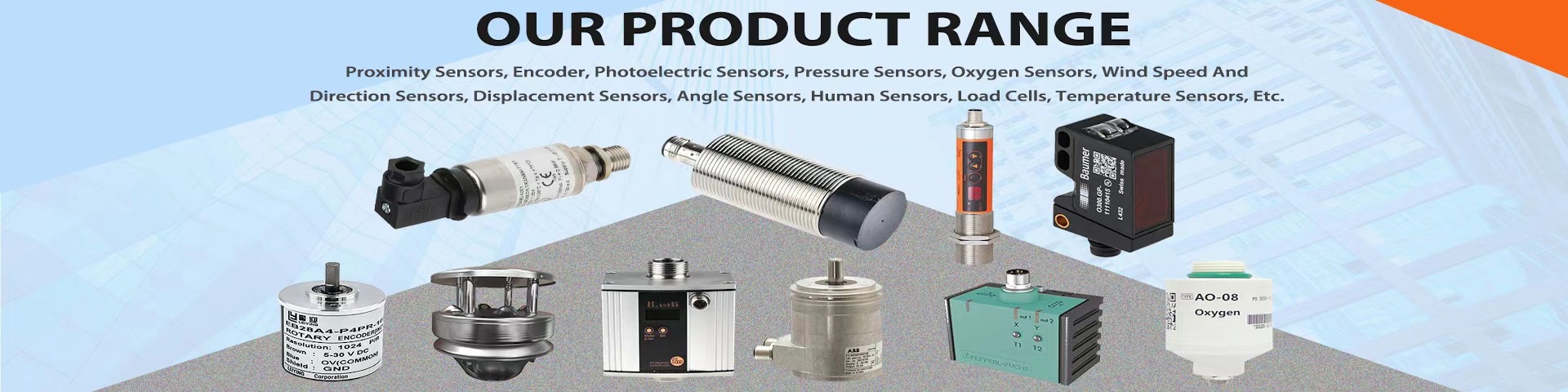

Какова точность позиционирования современных датчиков на производстве
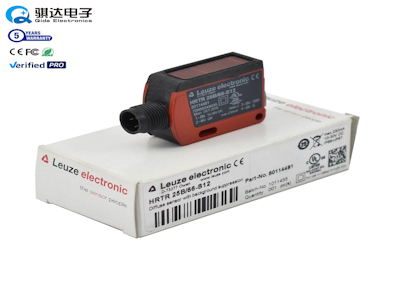
В современном мире производства точность является ключевым фактором, определяющим эффективность, качество и конкурентоспособность. Но насколько точны современные датчики позиционирования? Этот вопрос волнует инженеров, менеджеров и всех, кто стремится оптимизировать промышленные процессы. Давайте углубимся в детали и explore, как технологии датчиков evolved, и что они предлагают сегодня.
Введение в точность позиционирования
Точность позиционирования refers to the ability of a sensor to determine and maintain the position of an object with minimal error. In manufacturing, this is critical for tasks such as assembly, robotics, and quality control. Modern sensors, including optical, inertial, and magnetic types, have achieved remarkable levels of precision, often down to micrometer or even nanometer scales. However, the actual accuracy depends on various factors, which we will discuss in this article.
Технологии современных датчиков
Современные датчики используют передовые технологии, такие как лазерные интерферометры, емкостные датчики и беспроводные сенсорные сети. These technologies enable high-resolution measurements and real-time data processing, essential for Industry 4.0 applications. For example, in automotive assembly, sensors can position components with an accuracy of less than 0.1 mm, reducing errors and improving throughput.
Факторы, влияющие на точность
Точность не является абсолютной; она зависит от environmental conditions, calibration, and sensor design. Temperature fluctuations, vibration, and electromagnetic interference can degrade performance. Regular maintenance and advanced algorithms for error correction are necessary to maintain high accuracy. This section explores how these factors interplay and what steps can be taken to mitigate them.
Примеры из практики
In real-world scenarios, companies like Siemens and Bosch have implemented sensor systems that achieve sub-millimeter accuracy in production lines. Case studies show that improved positioning leads to a 20% increase in efficiency and a significant reduction in waste. These examples highlight the tangible benefits of investing in high-precision sensor technology.
Будущие тенденции и выводы
The future of sensor accuracy lies in integration with AI and IoT, enabling predictive maintenance and adaptive control. As technology advances, we can expect even higher precision, potentially reaching atomic scales. In conclusion, while modern sensors offer impressive accuracy, continuous innovation is key to unlocking their full potential in manufacturing.
Это лишь краткий обзор; полная статья углубляется в детали, предоставляя экспертные insights и практические рекомендации для professionals в области.