

Выбор промышленных датчиков для повышения эффективности производства
В современной промышленной среде, где конкуренция обостряется, а требования к качеству и производительности растут, выбор правильных промышленных датчиков становится критически важным элементом стратегии повышения эффективности производства. Промышленные датчики, или сенсоры, представляют собой устройства, которые преобразуют физические величины, такие как температура, давление, уровень, расход, вибрация или положение, в электрические сигналы, используемые для мониторинга, управления и оптимизации производственных процессов. Их внедрение позволяет не только автоматизировать операции, но и собирать данные в реальном времени, что является основой для принятия обоснованных решений, прогнозирования отказов оборудования и минимизации простоев. В этой статье мы глубоко исследуем, как грамотный выбор датчиков может трансформировать производственные линии, снизить операционные затраты и обеспечить устойчивый рост в эпоху Четвертой промышленной революции (Industry 4.0). Мы рассмотрим ключевые типы датчиков, факторы выбора, интеграционные аспекты, примеры из практики и будущие тенденции, предоставляя читателю comprehensive руководство для реализации успешных проектов.
Введение в промышленные датчики и их роль в производстве
Промышленные датчики – это не просто компоненты оборудования; они являются глазами и ушами современных производственных систем. Их эволюция от простых механических устройств до интеллектуальных, подключенных к сети IoT (Интернет вещей) систем, кардинально изменила подход к управлению производством. Например, в автомобильной промышленности датчики контролируют все: от температуры в литейных цехах до точности сборки роботами, обеспечивая соответствие строгим стандартам качества. Роль датчиков в повышении эффективности многогранна: они обеспечивают непрерывный мониторинг, позволяют предсказывать maintenance needs (прогнозное обслуживание), уменьшают человеческие ошибки и способствуют энергосбережению. Без них невозможно представить такие концепции, как цифровые двойники (digital twins) или адаптивное производство, где системы автоматически ajust параметры based on real-time data. В целом, инвестиции в современные датчики окупаются через increased uptime, reduced waste, and improved product consistency, making them indispensable for any forward-thinking manufacturing enterprise.
Основные типы промышленных датчиков и их применение
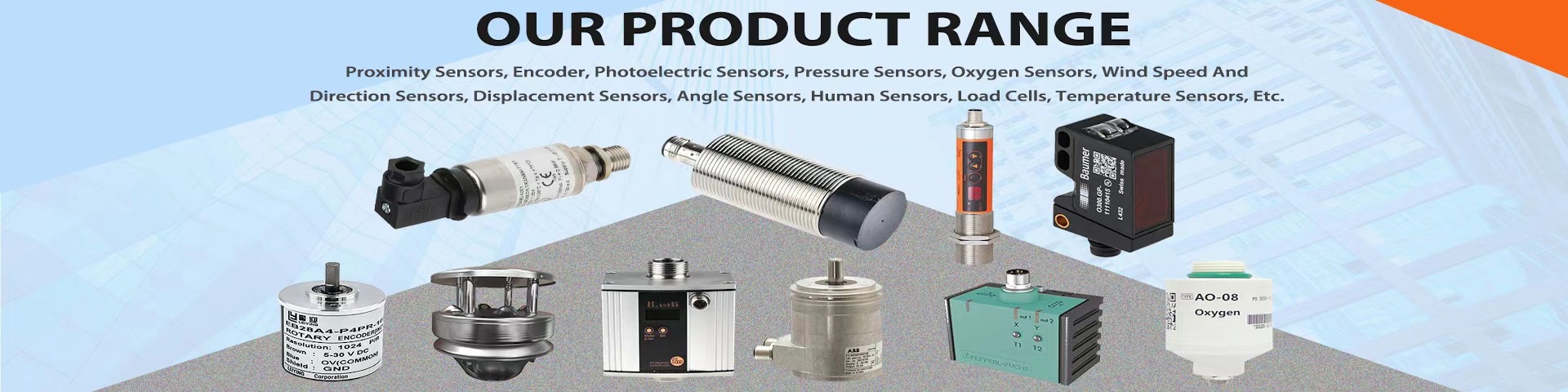
Существует множество типов промышленных датчиков, каждый designed for specific applications. Understanding их characteristics is crucial for selection. Начнем с temperature sensors, such as thermocouples and RTDs (resistance temperature detectors), которые широко used in processes like chemical processing or food production, where precise temperature control is vital for safety and quality. Pressure sensors, including piezoelectric and capacitive types, are essential in hydraulic systems, HVAC, and aerospace to monitor force and prevent overloads. Level sensors, such as ultrasonic or radar-based, help manage inventory in tanks and silos, reducing the risk of overflows or shortages in industries like oil and gas. Flow sensors, like electromagnetic or Coriolis, ensure accurate measurement of liquids and gases in water treatment or pharmaceutical manufacturing. Vibration sensors and accelerometers are key for condition monitoring in rotating machinery, enabling early detection of faults in motors or pumps. Position sensors, including encoders and LVDTs (linear variable differential transformers), provide feedback for robotic arms and CNC machines, ensuring high precision in assembly lines. Additionally, proximity sensors (inductive, capacitive) are used for object detection in automation, while vision sensors and cameras integrate AI for quality inspection. Each type has its advantages: for instance, optical sensors offer non-contact measurement but may be sensitive to environmental conditions, whereas mechanical sensors are robust but less precise. Choosing the right mix depends on the specific production environment, accuracy requirements, and cost constraints. Real-world examples abound: in the steel industry, infrared temperature sensors monitor molten metal, while in agriculture, moisture sensors optimize irrigation. By mapping sensor types to application needs, manufacturers can avoid common pitfalls like over-specification or underperformance.
Факторы выбора датчиков: точность, надежность и стоимость
Выбор промышленных датчиков – это сложный процесс, требующий баланса между multiple factors. Accuracy is paramount; for example, in pharmaceutical production, even slight deviations in temperature can ruin batches, so high-accuracy sensors with low error margins are essential. Reliability is another critical aspect; sensors must withstand harsh conditions like extreme temperatures, humidity, vibrations, or corrosive environments. Industrial-grade sensors often have IP (Ingress Protection) ratings, such as IP67 for dust and water resistance, ensuring longevity. Cost is a major consideration, but it should be evaluated in terms of total cost of ownership (TCO), which includes purchase price, installation, maintenance, and potential downtime costs. Cheap sensors might save money upfront but lead to frequent failures and higher operational expenses. Compatibility with existing systems is also key; sensors should integrate seamlessly with PLCs (programmable logic controllers), SCADA systems, or IoT platforms using standard protocols like Modbus, Profibus, or OPC UA. Scalability is important for future expansion; choosing sensors that support modular addition can facilitate growth. Additionally, ease of calibration and maintenance should be assessed; some sensors require regular recalibration, which can be time-consuming. Environmental impact is increasingly relevant; energy-efficient sensors or those made from sustainable materials align with green manufacturing initiatives. To illustrate, in the energy sector, choosing vibration sensors with high reliability reduces unplanned outages, while in food processing, stainless steel sensors prevent contamination. A systematic approach involves defining requirements through a feasibility study, consulting with suppliers, and prototyping to test performance in real conditions. Tools like failure mode and effect analysis (FMEA) can help identify risks and optimize selection.
Интеграция датчиков в системы управления и IoT
Сами по себе датчики бесполезны без proper integration into control systems. Modern manufacturing relies on interconnected networks where sensors feed data to central systems for analysis and action. Integration starts with selecting communication protocols; wired options like 4-20mA or Ethernet are reliable but may lack flexibility, while wireless technologies like Wi-Fi, Bluetooth, or LoRaWAN enable mobility and reduce cabling costs, though they may pose security risks. IoT platforms, such as Siemens MindSphere or GE Predix, aggregate sensor data for big data analytics, enabling predictive maintenance and real-time optimization. For instance, in a smart factory, temperature sensors connected via IoT can trigger alerts if values exceed thresholds, allowing immediate corrective actions. Cybersecurity is a vital aspect; sensors must be protected from hacking through encryption and secure authentication methods. Data management is another challenge; high-volume sensor data requires robust storage and processing capabilities, often leveraging cloud computing or edge computing for faster response times. Interoperability standards, like those from the Industrial Internet Consortium (IIC), ensure that sensors from different manufacturers work together seamlessly. Training personnel is crucial; operators need skills to interpret sensor data and respond appropriately. Case studies show successful integration: in automotive plants, RFID sensors track parts through assembly lines, reducing errors and improving traceability. In summary, effective integration transforms raw sensor data into actionable insights, driving efficiency gains. It involves careful planning of network architecture, software selection, and continuous monitoring to adapt to changing conditions.
Практические примеры и case studies
To concretize the theory, let's explore real-world examples where sensor selection boosted production efficiency. In the oil and gas industry, companies like Shell have deployed pressure and flow sensors in pipelines to detect leaks early, preventing environmental disasters and saving millions in cleanup costs. Data shows that predictive maintenance using vibration sensors can reduce equipment failures by up to 50%, as seen in mining operations where conveyor belts are monitored continuously. In the food and beverage sector, breweries use pH and temperature sensors to maintain consistency in fermentation, leading to higher quality products and less waste. Another example is in aerospace: Boeing utilizes strain gauges and accelerometers in aircraft testing to ensure structural integrity, enhancing safety and compliance. In consumer goods, Procter & Gamble employs vision sensors on packaging lines to inspect for defects, increasing throughput by 20%. These cases highlight how tailored sensor solutions address specific pain points. Lessons learned include the importance of pilot projects to validate sensor choices and the need for cross-functional teams involving engineers, IT specialists, and operators. Metrics such as OEE (Overall Equipment Effectiveness) often improve post-implementation; for instance, a German automotive manufacturer reported a 15% increase in OEE after integrating smart sensors. These successes underscore that investment in sensors is not an expense but a strategic enabler of competitiveness.
Будущие тенденции и инновации в области датчиков
The future of industrial sensors is bright, driven by advancements in technology. AI and machine learning are becoming integral, enabling sensors to not only collect data but also learn patterns and make autonomous decisions. For example, AI-powered vision sensors can now identify defects with superhuman accuracy. Miniaturization and MEMS (Micro-Electro-Mechanical Systems) technology are making sensors smaller, cheaper, and more energy-efficient, facilitating deployment in previously inaccessible areas. Energy harvesting sensors, which power themselves from ambient sources like vibration or light, are emerging, reducing the need for batteries and maintenance. The rise of 5G networks will enhance wireless sensor capabilities with low latency and high bandwidth, supporting real-time applications in remote locations. Sustainability trends are pushing for eco-friendly sensors with reduced carbon footprints. Additionally, the integration of blockchain for secure data logging is gaining traction, ensuring tamper-proof records in supply chains. In the context of Industry 4.0, sensors will play a central role in creating fully autonomous smart factories where systems self-optimize based on real-time feedback. Challenges remain, such as data privacy concerns and the skills gap in handling advanced sensor systems, but ongoing research and collaboration between academia and industry are addressing these. Manufacturers should stay abreast of these trends to future-proof their investments and maintain a competitive edge.
Заключение и рекомендации
В заключение, выбор промышленных датчиков – это стратегическое решение, которое напрямую влияет на эффективность производства. By carefully evaluating types, factors, and integration aspects, companies can harness the power of data to drive improvements. Key recommendations include: start with a clear assessment of production needs, prioritize reliability and accuracy over initial cost, invest in training for staff, and adopt a phased approach to implementation. Collaborate with technology partners to leverage expert knowledge and stay updated on innovations. Remember, the goal is not just to install sensors but to create a data-driven culture that continuously seeks optimization. As we move towards an increasingly automated world, those who master sensor technology will lead the way in productivity and innovation. Embrace the change, and let sensors be your guide to a more efficient future.
This article has provided a comprehensive overview, but the journey doesn't end here. Continuously monitor performance metrics and be ready to adapt as new technologies emerge. The potential for growth is limitless with the right sensors in place.
Предыдущая статья: Что такое контрастность и как она влияет на ваши покупки
Следующий пост: Точность маркировки что на самом деле влияет на качество проверки