
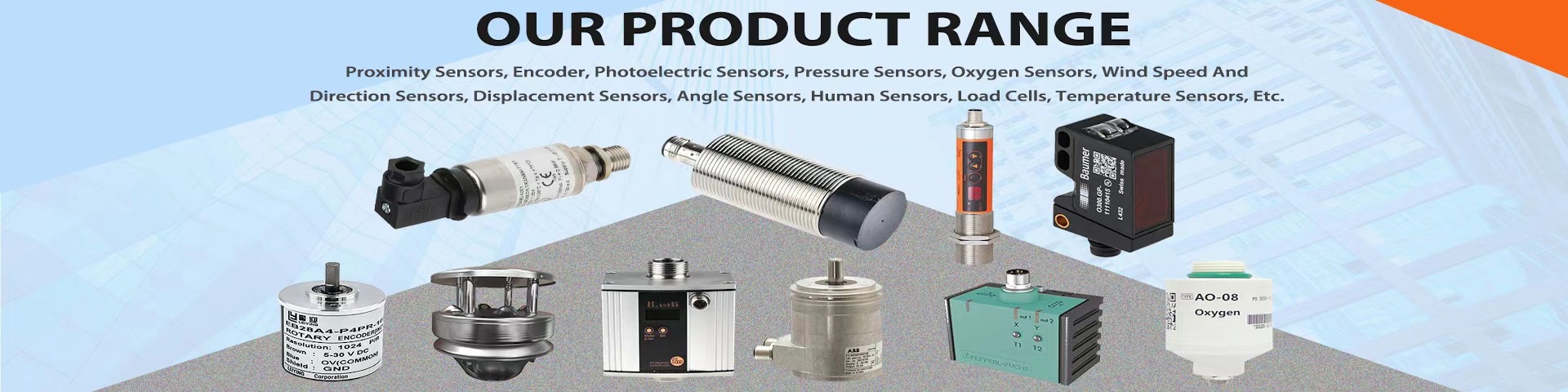

PNP выходные датчики как ключевой элемент автоматизации производственных процессов
В современном мире автоматизация производственных процессов стала неотъемлемой частью промышленности, обеспечивая повышение эффективности, снижение затрат и улучшение качества продукции. Среди множества компонентов, которые делают это возможным, PNP выходные датчики играют crucial роль. Эти устройства, основанные на принципах полупроводниковой технологии, позволяют обнаруживать изменения в окружающей среде и передавать сигналы для управления machinery. В этой статье мы глубоко погрузимся в мир PNP датчиков, исследуя их фундаментальные аспекты, преимущества, применения и будущее в контексте автоматизации.
Введение в автоматизацию и роль датчиков
Автоматизация — это использование технологий для выполнения tasks с минимальным human intervention. Она охватывает широкий спектр применений, от простых конвейерных линий до сложных роботизированных систем. Ключевым элементом автоматизации являются датчики, которые act как глаза и уши automated systems. Они собирают data о physical parameters, таких как position, temperature, pressure, или presence объектов, и преобразуют их в electrical signals. Эти signals затем используются controllers для принятия решений и выполнения actions.
PNP выходные датчики, в частности, являются типом semiconductor-based sensors, которые output a positive signal (typically +24V in industrial settings) when activated. This is in contrast to NPN sensors, which output a negative signal. The choice between PNP and NPN often depends on the specific requirements of the control system, but PNP sensors are widely preferred in many applications due to their compatibility with common positive logic systems.
Основы PNP выходных датчиков
Чтобы понять, почему PNP датчики так важны, необходимо разобраться в их basic principles. PNP stands for Positive-Negative-Positive, referring to the type of bipolar junction transistor used in their output stage. In a PNP sensor, when the sensor is triggered (e.g., by detecting an object), it switches the output to a positive voltage relative to ground. This output can then be read by a programmable logic controller (PLC) or other control devices to initiate actions.
The operation of a PNP sensor typically involves three wires: a power supply wire (usually +24V), a ground wire (0V), and an output wire. When the sensor is not activated, the output is at ground potential (0V). Upon activation, the output switches to the supply voltage (+24V). This simple yet effective design makes PNP sensors reliable and easy to integrate into industrial systems.
Common types of PNP sensors include proximity sensors, which detect the presence of metallic objects without physical contact; photoelectric sensors, which use light beams to detect objects; and inductive or capacitive sensors for various applications. Each type has its own advantages, but all share the fundamental PNP output characteristic that enhances their utility in automation.
Преимущества PNP выходных датчиков в автоматизации
Одним из главных преимуществ PNP датчиков является их compatibility with positive logic control systems, which are prevalent in industrial automation. Many PLCs and microcontrollers are designed to work with positive voltage signals, making PNP sensors a natural fit. This reduces the need for additional signal conditioning or inverters, simplifying the overall system design and reducing costs.
Кроме того, PNP датчики offer high reliability and durability. Они часто разрабатываются для работы в harsh industrial environments, с защитой от dust, moisture, vibration, и extreme temperatures. Это делает их ideal для применений в manufacturing, automotive, food processing, и других отраслях, где условия могут быть challenging.
Another advantage is the ease of installation and maintenance. PNP sensors typically have standardized wiring and mounting options, allowing for quick integration into existing systems. Their output signals are straightforward to interpret, reducing the likelihood of errors in system configuration. This user-friendly aspect contributes to faster deployment and lower downtime in production processes.
С точки зрения safety, PNP датчики can be integrated into safety-critical systems. For example, in emergency stop circuits or guarding applications, their reliable output ensures that machines stop promptly when necessary, protecting workers and equipment. This is particularly important in industries with high risks, such as heavy machinery or chemical processing.
Применения PNP выходных датчиков в различных отраслях
PNP датчики находят применение в широком спектре отраслей, демонстрируя их versatility. В automotive industry, они используются для position detection в assembly lines, ensuring that parts are correctly aligned before welding or painting. For instance, proximity sensors can detect the presence of a car chassis on a conveyor belt, triggering the next stage of production.
В food and beverage industry, где hygiene is critical, PNP sensors with stainless steel housings and IP ratings are employed to detect fill levels in containers or to monitor packaging processes. Their ability to operate in wet or corrosive environments makes them suitable for these applications, helping to maintain product quality and compliance with regulations.
В logistics and warehousing, photoelectric PNP sensors are used in sorting systems to detect packages on conveyors, enabling automated routing and inventory management. This enhances efficiency and reduces manual labor, contributing to the overall optimization of supply chain operations.
В robotics, PNP sensors play a key role in end-effector tools, such as grippers, where they detect object presence and ensure precise handling. This is essential for tasks like pick-and-place operations in electronics manufacturing, where accuracy and speed are paramount.
Кроме того, в energy sector, PNP sensors monitor equipment status in power plants, detecting anomalies such as overheating or mechanical failures. This proactive monitoring helps prevent downtime and ensures continuous operation, which is crucial for energy reliability.
Сравнение с NPN датчиками и другими технологиями
Хотя PNP датчики широко используются, важно понимать их differences compared to NPN sensors. NPN sensors output a negative signal (sinking current) when activated, which is better suited for systems that use negative logic. The choice between PNP and NPN often depends on the controller's input type. In regions like Europe, PNP is more common, while NPN is preferred in some Asian countries due to historical practices.
Beyond bipolar transistors, other sensor technologies exist, such as analog sensors or IO-Link enabled sensors, which provide continuous data rather than discrete on/off signals. However, PNP output sensors remain popular for simple binary detection tasks due to their simplicity, cost-effectiveness, and reliability. They are often used in conjunction with more advanced sensors to create comprehensive automation solutions.
Например, в complex systems, PNP sensors might handle basic presence detection, while analog sensors measure precise distances or temperatures. This hybrid approach allows for scalability and flexibility in automation design, catering to both simple and sophisticated requirements.
Интеграция PNP датчиков в системы управления
Интеграция PNP датчиков в automation systems involves connecting them to PLCs, HMIs (human-machine interfaces), or other controllers. The output signal from a PNP sensor is typically wired to a digital input module on the PLC. When the sensor is activated, the input receives a high signal, which the PLC program can use to trigger actions, such as starting a motor or activating a solenoid.
Programming for PNP sensors is straightforward. In ladder logic or other PLC programming languages, the sensor's input is treated as a normally open (NO) or normally closed (NC) contact, depending on the application. For instance, a proximity sensor might be programmed to stop a conveyor if no object is detected, ensuring smooth operation.
To enhance functionality, PNP sensors can be used in networks with communication protocols like PROFINET, EtherNet/IP, or IO-Link. IO-Link, in particular, allows for parameterization and diagnostics, enabling remote monitoring and adjustment of sensor settings. This adds a layer of intelligence to traditional PNP sensors, making them part of the Industry 4.0 ecosystem.
Реальный пример интеграции: на automotive assembly line, multiple PNP sensors are connected to a central PLC. The PLC monitors these sensors to coordinate robotic arms, ensuring that each step of the assembly process is executed in sequence. If a sensor fails, the system can generate an alarm, allowing for quick maintenance and minimizing production delays.
Будущие тенденции и инновации в PNP датчиках
С развитием Industry 4.0 и IoT (Internet of Things), PNP датчики evolve to include smart features. Future iterations may incorporate embedded microprocessors for self-diagnostics, predictive maintenance, and data logging. This would enable sensors to report their health status and predict failures before they occur, reducing unplanned downtime.
Additionally, advancements in materials science could lead to more robust sensors capable of operating in even harsher conditions, such as high radiation environments in nuclear facilities or extreme temperatures in aerospace applications. Miniaturization is another trend, allowing PNP sensors to be used in compact devices like medical equipment or consumer electronics.
The integration of wireless technology is also on the horizon. Wireless PNP sensors could simplify installation in hard-to-reach areas and reduce wiring costs. However, challenges such as power supply and signal reliability need to be addressed for widespread adoption.
В контексте sustainability, future PNP sensors may be designed with eco-friendly materials and lower power consumption, aligning with global efforts to reduce environmental impact. This could involve using renewable energy sources for power or implementing energy-harvesting techniques.
Практические советы по выбору и использованию PNP датчиков
При выборе PNP датчиков для specific applications, consider factors such as sensing range, environmental conditions, and output type. For example, in a dusty environment, choose a sensor with a high IP rating for dust protection. If precise detection is needed, opt for a sensor with adjustable sensitivity.
Установка и calibration are critical for optimal performance. Ensure that sensors are mounted securely and aligned correctly to avoid false triggers. Regular maintenance, such as cleaning lenses on photoelectric sensors, can prolong their lifespan and maintain accuracy.
It's also important to test sensors under actual operating conditions before full deployment. Use simulation tools or bench testing to verify that the output signals are correctly interpreted by the control system. This proactive approach can prevent issues during operation.
Для troubleshooting common problems, such as intermittent signals or no output, check wiring connections, power supply, and sensor alignment. Many modern PNP sensors come with diagnostic LEDs that indicate status, making it easier to identify and resolve issues quickly.
Заключение
В заключение, PNP выходные датчики являются indispensable компонентами в automation производственных процессов. Их reliability, compatibility, и versatility делают их ideal для wide range of applications, от simple detection tasks до complex integrated systems. По мере того как technology продолжает advance, эти датчики будут играть еще более important role в enabling smart, efficient, и sustainable manufacturing.
Путем understanding их principles и advantages, industries могут leverage PNP датчики для enhance productivity, improve safety, и drive innovation. Whether in traditional factories or cutting-edge smart plants, these sensors remain a cornerstone of modern automation, embodying the synergy between hardware and software that defines the future of industry.
Таким образом, investing в качественные PNP датчики и их proper integration is ключ к unlocking the full potential of automated systems, ensuring that production processes run smoothly and efficiently for years to come.
Предыдущая статья: Умные релейные выходные сенсоры для автоматизации вашего производства
Следующий пост: Функция подавления фонового шума как инструмент для повышения ясности