
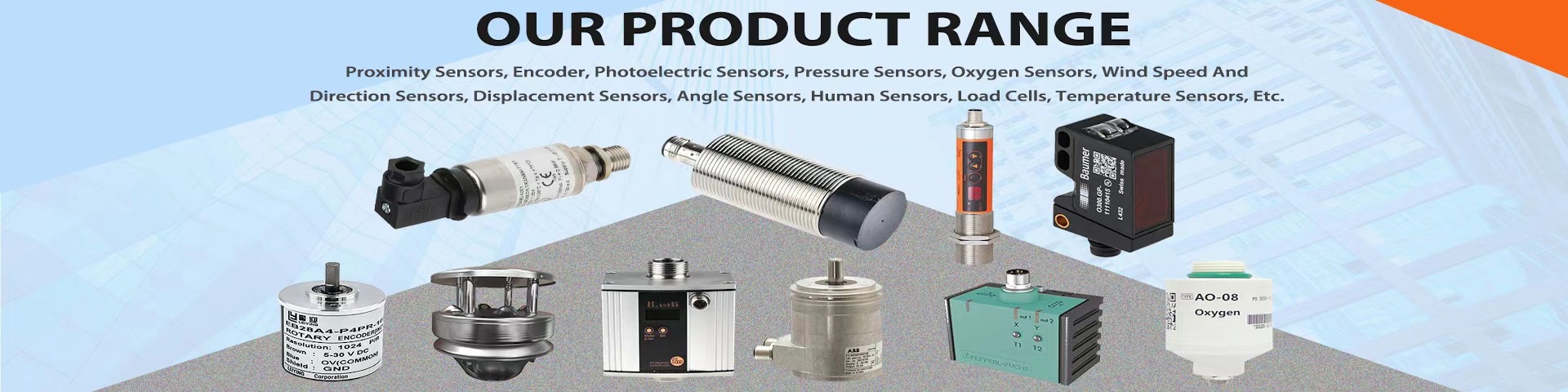

Трехпроводные датчики измените ваше производство сегодня
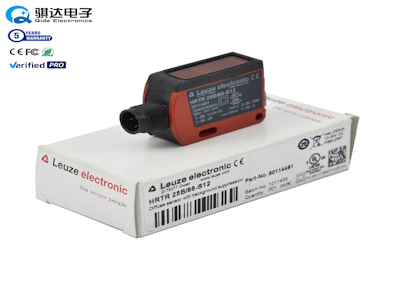
Трехпроводные датчики — это тип электронных устройств, используемых для измерения различных физических параметров, таких как давление, температура, уровень жидкости или другие переменные, в промышленных условиях. Они называются "трехпроводными" из-за своей конструкции, которая включает три провода: один для питания, один для общего заземления и один для выходного сигнала. Эта простая, но эффективная схема позволяет обеспечивать стабильную работу даже в сложных условиях, таких как высокие температуры, вибрации или электромагнитные помехи.
Исторически, датчики эволюционировали от простых механических устройств до сложных электронных систем. Трехпроводная конфигурация стала популярной в 1980-х годах с развитием полупроводниковых технологий, и с тех пор она постоянно совершенствуется. В отличие от двухпроводных датчиков, которые могут быть подвержены потерям сигнала, трехпроводные варианты обеспечивают более высокую точность и меньшую восприимчивость к шумам, что делает их идеальными для критически важных применений.
Основные компоненты трехпроводного датчика включают сенсорный элемент (например, пьезоэлектрический или резистивный), усилитель сигнала и выходной каскад. Питание обычно подается через отдельный провод, что позволяет датчику работать независимо от измерительной цепи, уменьшая риск ошибок. Это особенно важно в системах, где точность измерения напрямую влияет на качество продукции или безопасность процессов.
Преимущества трехпроводных датчиков
Одним из главных преимуществ трехпроводных датчиков является их высокая точность. Благодаря отдельному проводу для питания, они могут поддерживать стабильное напряжение, что минимизирует drift (дрейф) сигнала. Это критически важно в applications, таких как фармацевтическое производство или пищевая промышленность, где даже небольшие отклонения могут привести к браку или нарушениям норм.
Другим ключевым преимуществом является надежность. Трехпроводные датчики менее susceptible to electromagnetic interference (EMI) и radio frequency interference (RFI), что делает их suitable for use in environments with heavy machinery or other sources of noise. Additionally, их конструкция often includes protection against overvoltage, short circuits, and environmental factors like moisture or dust, ensuring long-term operation without frequent maintenance.
Энергоэффективность также plays a role. While они may consume slightly more power than two-wire sensors due to the separate power wire, this is often offset by their improved performance and reduced need for recalibration. In the long run, this can lead to significant cost savings on energy and maintenance.
Integration with modern systems is another strong point. Three-wire sensors are compatible with programmable logic controllers (PLCs), distributed control systems (DCS), and IoT platforms, allowing for seamless data collection and analysis. This enables real-time monitoring and predictive maintenance, which are cornerstones of Industry 4.0.
Применение в различных отраслях
Трехпроводные датчики нашли широкое применение across multiple industries. In manufacturing, они used for monitoring pressure in hydraulic systems, temperature in furnaces, or level in tanks. For example, in the automotive industry, these sensors ensure precise control of assembly lines, reducing defects and improving throughput.
In the energy sector, three-wire sensors are vital for monitoring pipelines, turbines, and other critical infrastructure. Their ability to operate in harsh conditions makes them ideal for oil and gas applications, where reliability is paramount to prevent accidents and ensure continuous operation.
The healthcare industry also benefits from these sensors, particularly in medical devices where accuracy is non-negotiable. For instance, in ventilators or dialysis machines, three-wire sensors provide reliable measurements that can save lives.
Agriculture has seen a rise in adoption too, with sensors used for soil moisture monitoring or climate control in greenhouses. This helps optimize resource use and increase crop yields, contributing to sustainable farming practices.
Будущее трехпроводных датчиков и тенденции
The future of three-wire sensors is closely tied to advancements in IoT and AI. As industries move towards smarter factories, these sensors will become more intelligent, with built-in diagnostics and self-calibration features. This will reduce downtime and further enhance efficiency.
Miniaturization is another trend, allowing sensors to be integrated into smaller devices without compromising performance. This opens up new applications in consumer electronics and wearable technology.
Sustainability is also a driving force. Future sensors may incorporate eco-friendly materials and lower power consumption, aligning with global efforts to reduce carbon footprints.
In summary, three-wire sensors are not just a tool for today but a foundation for the industrial revolution of tomorrow. By adopting them, businesses can stay ahead of the curve and reap the benefits of increased productivity and innovation.
В заключение, трехпроводные датчики предлагают unparalleled advantages for modern production. Их точность, надежность и способность к интеграции делают их indispensable в era of automation. Не упустите chance to transform ваше production—invest в these sensors сегодня и witness a significant boost в efficiency and competitiveness.
Предыдущая статья: Как обнаружить объект в реальном времени без ошибок
Следующий пост: Какие сенсоры для диагностики неисправностей выбрать в 2024 году