

Автоматизация производства как ключ к эффективности через датчики сборочных линий
В современном мире промышленности автоматизация стала неотъемлемой частью производственных процессов. Она позволяет предприятиям не только увеличить производительность, но и значительно снизить затраты, улучшить качество продукции и обеспечить конкурентное преимущество на рынке. Одним из ключевых элементов автоматизации являются датчики, установленные на сборочных линиях. Эти устройства играют crucialную роль в мониторинге, контроле и оптимизации операций, превращая традиционные производства в умные, интегрированные системы.
Введение в автоматизацию производства
Автоматизация производства — это процесс использования технологий для выполнения задач с минимальным вмешательством человека. Она охватывает широкий спектр областей, от робототехники и искусственного интеллекта до интернета вещей (IoT) и анализа данных. Цель автоматизации — повысить эффективность, снизить ошибки и обеспечить масштабируемость производственных операций.
Исторически автоматизация начала развиваться с промышленной революции, но настоящий прорыв произошел с появлением компьютеров и цифровых технологий. Сегодня, в эпоху Industry 4.0, автоматизация интегрируется с киберфизическими системами, создавая умные заводы, где машины общаются друг с другом и с людьми в реальном времени.
Преимущества автоматизации многочисленны: увеличение скорости производства, улучшение точности, снижение затрат на рабочую силу, и enhanced безопасность. Однако для полной реализации этих преимуществ необходимо эффективное использование датчиков, особенно на критических участках, таких как сборочные линии.
Роль датчиков в автоматизации сборочных линий
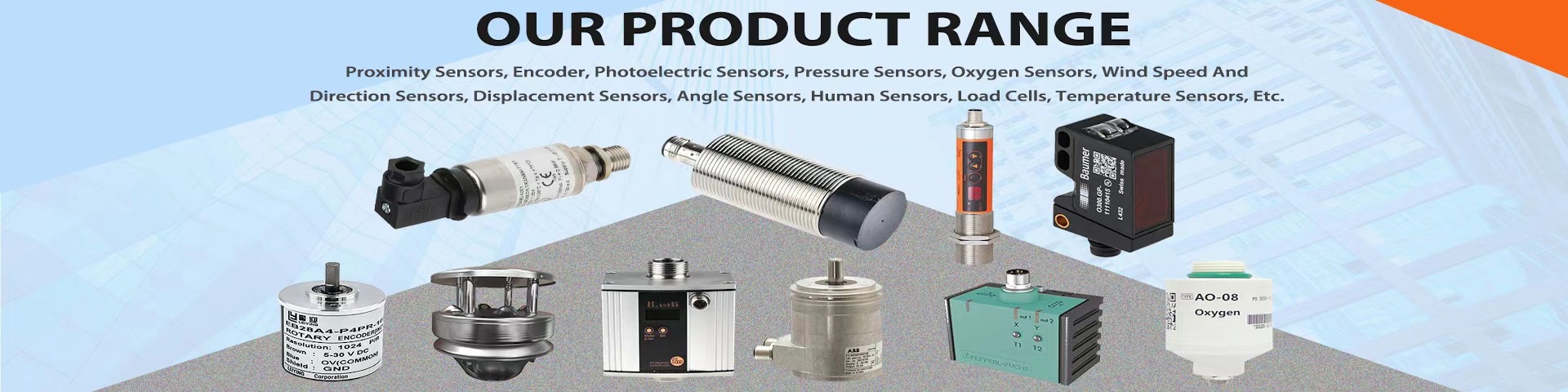
Датчики — это устройства, которые обнаруживают изменения в физической среде и преобразуют их в электрические сигналы. На сборочных линиях они используются для мониторинга различных параметров, таких как температура, давление, вибрация, положение и качество компонентов. Это позволяет в реальном времени отслеживать процесс сборки, выявлять отклонения и принимать корректирующие меры.
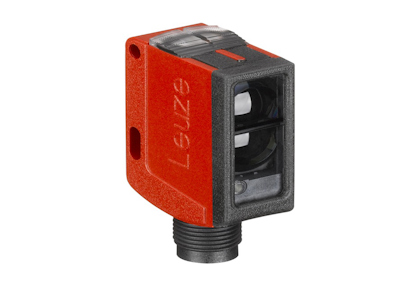
Например, датчики приближения могут определять наличие деталей на конвейере, предотвращая ошибки сборки. Датчики силы измеряют усилия при затяжке болтов, ensuring that specifications are met. Additionally, vision sensors inspect components for defects, ensuring only quality parts proceed down the line.
Integration of sensors with IoT platforms enables data collection and analysis, facilitating predictive maintenance. By monitoring equipment health, companies can schedule repairs before failures occur, minimizing downtime and reducing maintenance costs.
Технологические основы датчиков для сборочных линий
Современные датчики для сборочных линий основаны на передовых технологиях, включая MEMS (микроэлектромеханические системы), беспроводную связь и машинное обучение. MEMS-датчики, например, компактны и энергоэффективны, making them ideal for integration into tight spaces on assembly lines.
Wireless sensors eliminate the need for complex wiring, reducing installation costs and increasing flexibility. They communicate via protocols like Bluetooth, Wi-Fi, or Zigbee, enabling seamless data transmission to central control systems.
Machine learning algorithms analyze sensor data to identify patterns and anomalies. For instance, they can predict when a machine is likely to fail based on vibration data, allowing for proactive maintenance. This not only improves reliability but also extends the lifespan of equipment.
Преимущества использования датчиков в автоматизации
Использование датчиков на сборочных линиях brings numerous benefits. First, it enhances efficiency by automating monitoring tasks, reducing the need for manual inspections. This leads to faster production cycles and higher output.
Second, sensors improve quality control. By continuously monitoring parameters, they ensure that products meet specifications, reducing defects and rework. This is crucial in industries like automotive or electronics, where precision is paramount.
Third, sensors contribute to cost savings. Predictive maintenance reduces unexpected downtime, while optimized processes lower energy consumption and material waste. Additionally, data from sensors can be used to streamline inventory management, ensuring that components are available when needed.
Finally, sensors enhance safety by detecting hazardous conditions, such as overheating or excessive vibrations, and triggering alarms or shutdowns to protect workers and equipment.
Вызовы и решения при внедрении датчиков
Несмотря на преимущества, внедрение датчиков на сборочных линиях сопряжено с challenges. One major issue is the initial investment cost. High-quality sensors and integration systems can be expensive, but the long-term ROI often justifies the expenditure through increased efficiency and reduced costs.
Another challenge is data management. Sensors generate vast amounts of data, which must be stored, processed, and analyzed. Companies need robust IT infrastructure and analytics tools to handle this data effectively. Cloud computing and edge computing solutions can help by distributing processing tasks and reducing latency.
Interoperability is also a concern. Sensors from different manufacturers may use proprietary protocols, making integration difficult. Adopting standard protocols and open platforms can mitigate this issue, ensuring seamless communication between devices.
Cybersecurity is critical, as connected sensors can be vulnerable to attacks. Implementing encryption, access controls, and regular security audits can protect sensitive data and prevent disruptions.
Будущее автоматизации с датчиками
Будущее автоматизации производства с использованием датчиков looks promising. Advances in AI and IoT will enable even smarter systems capable of self-optimization. For example, AI-powered sensors could autonomously adjust production parameters in response to real-time data, maximizing efficiency without human intervention.
The integration of 5G technology will enhance connectivity, allowing for faster data transmission and lower latency. This will support applications like augmented reality for remote maintenance or real-time collaboration between humans and machines.
Sustainability will also play a key role. Sensors can monitor energy usage and emissions, helping companies reduce their environmental footprint. This aligns with global trends towards green manufacturing and corporate responsibility.
In conclusion, sensors on assembly lines are a cornerstone of modern automation, driving efficiency, quality, and innovation. As technology evolves, their role will only become more critical, shaping the future of manufacturing.
To fully leverage these benefits, companies should invest in training for employees, adopt scalable solutions, and stay abreast of technological advancements. By doing so, they can transform their production processes and achieve lasting success in a competitive market.
This article has explored the importance of automation and sensors in assembly lines, highlighting their benefits, challenges, and future prospects. Embracing these technologies is essential for any manufacturer aiming to thrive in the era of Industry 4.0.
Предыдущая статья: революционный датчик пыли для чистого воздуха в доме
Следующий пост: Вибросенсоры незаменимые устройства для экологического мониторинга