
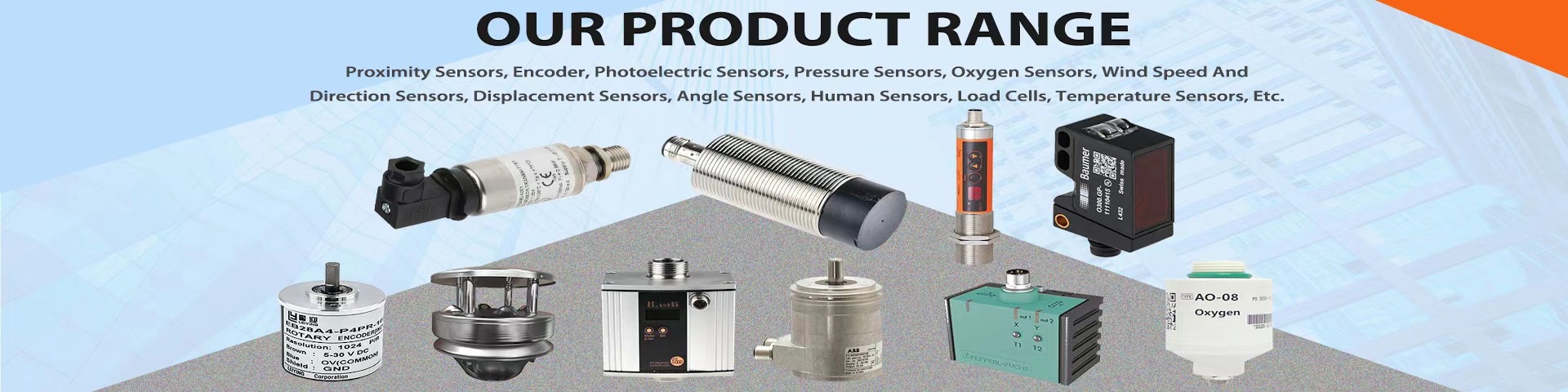

Как сенсоры сортировки меняют логистику будущего уже сегодня
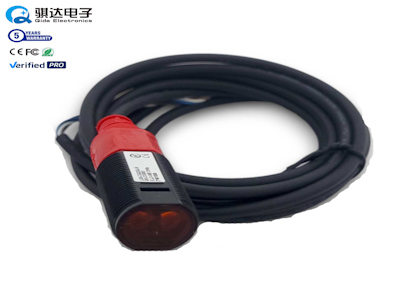
В современном мире логистика играет ключевую роль в глобальной экономике, обеспечивая движение товаров от производителей к потребителям. Однако традиционные методы сортировки и управления грузами часто сталкиваются с проблемами: человеческие ошибки, задержки, высокие затраты и негативное воздействие на окружающую среду. В ответ на эти вызовы технологии, такие как сенсоры сортировки, становятся мощным инструментом трансформации. Уже сегодня эти устройства не просто улучшают процессы, но и закладывают основу для логистики будущего, где автоматизация, интеллектуальный анализ данных и устойчивость становятся нормой.
Сенсоры сортировки – это устройства, которые используют различные технологии, включая компьютерное зрение, интернет вещей (IoT) и искусственный интеллект (ИИ), для автоматического распознавания, категоризации и направления объектов. Они интегрируются в конвейерные системы, склады и транспортные сети, позволяя обрабатывать огромные объемы грузов с невероятной скоростью и точностью. Это не просто эволюция, а революция, которая меняет саму суть логистических операций.
Эволюция логистики: от ручного труда к автоматизации
Исторически логистика relied heavily on manual labor. Workers would sort packages based on visual inspection, leading to inefficiencies and errors. With the advent of barcode scanners in the late 20th century, efficiency improved, but limitations remained. Barcodes require line-of-sight scanning and can be damaged, causing delays. The rise of RFID technology offered a step forward, enabling wireless tracking, but it was often costly and not universally adopted.
Enter sensor-based sorting systems. These leverage advanced technologies like machine learning and IoT to overcome previous shortcomings. For instance, optical sensors can read labels even if they are partially obscured, while weight and dimension sensors ensure accurate categorization. This evolution is not just about replacing humans; it's about enhancing human capabilities and creating systems that are faster, smarter, and more resilient.
Today, companies like Amazon and DHL are at the forefront, deploying sensor networks that handle millions of packages daily. This shift is driven by the growing demand for e-commerce and same-day deliveries, which traditional methods cannot support efficiently. As a result, sensor technology is becoming indispensable, paving the way for a fully automated logistics ecosystem.
Ключевые технологии в сенсорах сортировки
Сенсоры сортировки используют множество технологий для достижения высокой точности. Компьютерное зрение, например, позволяет системам "видеть" и анализировать объекты в реальном времени. Камеры высокого разрешения capture images of items on a conveyor belt, and AI algorithms process these images to identify size, shape, color, and even damage. This enables sorting based on complex criteria, such as separating fragile items from heavy ones.
IoT sensors add another layer of intelligence. By connecting sensors to the cloud, data can be collected and analyzed continuously. For example, temperature sensors ensure perishable goods are handled correctly, while motion sensors track the flow of items through facilities. This real-time data integration allows for predictive maintenance, reducing downtime and improving overall efficiency.
RFID and NFC technologies are also integral. Unlike barcodes, RFID tags can be read without direct line of sight and from a distance, making them ideal for high-volume environments. When combined with AI, these systems can learn from past data to optimize sorting paths, minimizing energy consumption and maximizing throughput.
Преимущества сенсорной сортировки в логистике
Одним из главных преимуществ является повышение точности. Человеческие ошибки при сортировке могут lead to misdelivered packages, customer dissatisfaction, and financial losses. Sensors reduce error rates to less than 0.1%, ensuring that items reach their intended destinations correctly. This accuracy is crucial in industries like healthcare, where mis-sorting medical supplies could have serious consequences.
Скорость обработки также значительно увеличивается. Automated systems can sort thousands of items per hour, far surpassing human capabilities. This is essential for meeting the demands of modern consumers who expect fast shipping. For instance, during peak seasons like holidays, sensor-based systems help logistics companies handle surges without compromising on delivery times.
Снижение затрат is another critical benefit. While initial investment in sensor technology can be high, the long-term savings are substantial. Reduced labor costs, lower error-related expenses, and improved energy efficiency contribute to a better bottom line. Additionally, sensors help optimize resource usage, such as by reducing the need for excess packaging or minimizing fuel consumption through better route planning.
Устойчивость и экологичность are increasingly important. Sensor systems can promote green logistics by optimizing loads, reducing waste, and lowering carbon emissions. For example, by accurately sorting recyclable materials, these technologies support circular economy initiatives. This aligns with global trends towards sustainability, making sensor-based sorting not just efficient but also environmentally responsible.
Реальные примеры и тематические исследования
Компания Amazon является ярким примером внедрения сенсоров сортировки. Their fulfillment centers use Kiva robots equipped with sensors to move shelves autonomously, while vision systems sort packages based on destination. This has enabled Amazon to offer same-day delivery in many areas, revolutionizing retail logistics. The data collected from these sensors also feeds into AI models that predict demand, further streamlining operations.
В почтовых службах, таких как USPS или DHL, сенсоры help handle enormous volumes of mail. Optical character recognition (OCR) sensors read addresses on envelopes, automatically sorting them into bins for different regions. This reduces manual sorting time and improves delivery accuracy. In one case study, DHL reported a 30% increase in sorting efficiency after implementing sensor-based systems.
В manufacturing logistics, sensors are used to sort components on assembly lines. For instance, automotive companies use weight and dimension sensors to ensure that parts meet specifications before assembly. This prevents defects and reduces waste, contributing to lean manufacturing practices.
Вызовы и ограничения
Несмотря на преимущества, внедрение сенсоров сортировки сталкивается с challenges. Высокая начальная стоимость can be a barrier for small and medium-sized enterprises. The investment in hardware, software, and training requires significant capital, which may not be feasible for all businesses.
Технические сложности also arise. Sensors require regular maintenance and calibration to remain accurate. Environmental factors, such as dust or extreme temperatures, can affect performance. Additionally, integrating sensor systems with existing legacy infrastructure can be complex and time-consuming.
Вопросы конфиденциальности и безопасности данных are paramount. Sensor systems collect vast amounts of data, which must be protected from breaches. Companies need to implement robust cybersecurity measures to prevent unauthorized access and ensure compliance with regulations like GDPR.
Человеческий фактор cannot be ignored. While automation reduces the need for manual labor, it may lead to job displacement. However, this also creates opportunities for new roles in tech maintenance and data analysis, emphasizing the need for workforce reskilling.
Будущее логистики с сенсорами сортировки
Будущее логистики выглядит bright with sensor technology. The integration of 5G networks will enable faster data transmission, allowing real-time decision-making on a massive scale. For example, sensors in autonomous vehicles could communicate with sorting facilities to optimize delivery routes dynamically.
Искусственный интеллект будет играть еще большую роль. AI algorithms will become more sophisticated, capable of predicting sorting errors before they occur and adapting to changing conditions. This could lead to self-healing systems that require minimal human intervention.
Умные города и интернет вещей will expand the scope of sensor-based logistics. In urban areas, sensors could manage everything from traffic flow to waste collection, creating integrated ecosystems that enhance quality of life. For instance, smart bins with sensors could signal when they need emptying, optimizing collection routes and reducing emissions.
Сенсоры также будут способствовать развитию устойчивой логистики. By enabling precise sorting of materials for recycling, these technologies support circular economy models. In the long term, this could help reduce global waste and combat climate change.
Заключение
Сенсоры сортировки уже сегодня transform logistics by enhancing accuracy, speed, and sustainability. While challenges exist, the benefits far outweigh the drawbacks, making this technology a cornerstone of future supply chains. As adoption grows, we can expect a logistics landscape that is not only efficient but also intelligent and environmentally conscious. Embracing these changes is essential for businesses and societies to thrive in the coming decades.
In summary, sensor-based sorting is more than a technological upgrade; it is a paradigm shift that redefines how we move goods across the globe. By leveraging innovations in AI, IoT, and data analytics, these systems are paving the way for a smarter, greener, and more connected world.
Предыдущая статья: Преимущества промышленных фотоприемников нового поколения
Следующий пост: Защита сенсоров уровень важности и практика