
Сенсоры для контроля крышек надежность вашей продукции
Вы когда-нибудь задумывались, почему некоторые продукты на полках магазинов выглядят идеально, в то время как другие имеют дефекты упаковки? Что, если я скажу вам, что ключ к этому различию лежит в использовании сенсоров для контроля крышек? Да, именно эти маленькие, но мощные устройства могут определить, насколько надежна ваша продукция. Но как они работают? Почему они так важны? И что произойдет, если их игнорировать? В этой статье мы погрузимся в мир промышленных сенсоров, исследуя их роль через серию вопросов, которые помогут вам понять, как обеспечить безупречное качество ваших товаров.
Что такое сенсоры для контроля крышек и зачем они нужны?
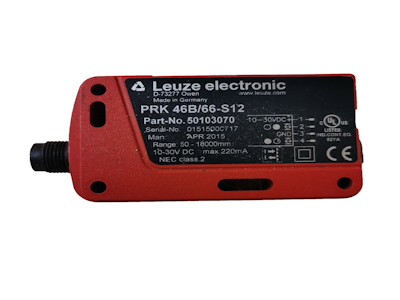
Сенсоры для контроля крышек – это специализированные устройства, используемые в производственных линиях для проверки правильности закрытия крышек на контейнерах, банках или бутылках. Они основаны на различных технологиях, таких как оптические, ультразвуковые или индуктивные сенсоры, которые обнаруживают присутствие, положение или целостность крышки. Но почему это так критично? Представьте себе: если крышка не закрыта плотно, продукт может испортиться, привести к утечкам или даже вызвать проблемы со здоровьем у потребителей. Это не только угрожает репутации бренда, но и влечет за собой финансовые потери из-за возвратов и судебных исков. Сенсоры действуют как стражи качества, обеспечивая, что каждая единица продукции соответствует стандартам перед отправкой на рынок. Например, в пищевой промышленности они могут предотвратить попадание кислорода внутрь упаковки, что сохраняет свежесть продукта. Таким образом, инвестиции в такие системы окупаются многократно, снижая риски и повышая доверие клиентов.
Как работают эти сенсоры на практике?
Принцип работы сенсоров для контроля крышек варьируется в зависимости от типа. Оптические сенсоры используют световые лучи для обнаружения наличия или отсутствия крышки – если луч прерывается, это сигнализирует о проблеме. Ультразвуковые сенсоры излучают звуковые волны и анализируют их отражение, чтобы определить герметичность. Индуктивные сенсоры реагируют на металлические крышки, обнаруживая изменения в магнитном поле. Но как это интегрируется в реальное производство? На конвейерной ленте сенсоры устанавливаются в критических точках, где они непрерывно мониторят каждую крышку. Данные передаются в систему управления, которая может автоматически остановить линию или отметить дефектный продукт для удаления. Это не только ускоряет процесс, но и минимизирует человеческий error. Например, на заводе по производству напитков сенсоры могут проверять, что все бутылки запечатаны перед этикетированием, предотвращая дорогостоящие переделки. Однако, эффективность зависит от правильной калибровки и обслуживания – если сенсор загрязнен или настроен неправильно, он может давать ложные срабатывания, что подчеркивает важность регулярного техобслуживания.
Какие выгоды приносит использование сенсоров для контроля крышек?
Внедрение сенсоров для контроля крышек предлагает множество преимуществ, которые напрямую влияют на надежность продукции. Во-первых, они значительно повышают качество, уменьшая количество дефектов до минимума. Статистика показывает, что автоматизированный контроль может снизить брак на 90% по сравнению с ручной проверкой. Во-вторых, это ведет к экономии затрат – меньше отходов, меньше возвратов и снижение расходов на гарантийные обязательства. Кроме того, сенсоры способствуют соблюдению нормативных требований, таких как стандарты FDA или ISO, что необходимо для выхода на международные рынки. Но perhaps самое важное – это усиление бренда: потребители доверяют продуктам, которые consistently deliver high quality, и сенсоры помогают building that trust. For instance, in the pharmaceutical industry, where safety is paramount, sensors ensure that medication containers are properly sealed, preventing contamination. However, the initial investment can be high, and companies must weigh this against long-term savings. Ultimately, the benefits far outweigh the costs, making sensors a wise choice for any production facility focused on excellence.
Каковы современные тенденции в технологиях сенсоров?
Технологии сенсоров для контроля крышек постоянно evolve, integrating advancements like IoT, AI, and machine learning. Modern sensors are becoming smarter – они могут не только detect defects but also predict failures based on historical data. For example, AI-powered sensors can analyze patterns in production lines to identify potential issues before they occur, enabling proactive maintenance. Additionally, wireless and cloud-based systems allow for remote monitoring and real-time analytics, making it easier to manage multiple facilities from a central location. But what does this mean for the future? We can expect even greater accuracy, faster response times, and enhanced customization to specific industry needs. For instance, in the cosmetics industry, sensors might be tailored to detect subtle color variations in lids. However, these advancements come with challenges, such as cybersecurity risks and the need for skilled personnel to operate complex systems. As technology progresses, it's crucial for businesses to stay updated and adapt to these changes to maintain a competitive edge.
Как выбрать подходящие сенсоры для вашего производства?
Selecting the right sensors for lid control depends on several factors, including the type of product, production speed, and environmental conditions. First, consider the material of the lids – optical sensors work best for non-metallic lids, while inductive sensors are ideal for metal ones. Second, evaluate the required sensitivity and speed; high-speed lines may need sensors with fast response times to avoid bottlenecks. Third, think about integration with existing systems – compatibility with PLCs or SCADA systems is essential for seamless operation. It's also wise to consult with experts or suppliers who can provide demonstrations and trials. But what if budget is a constraint? Start with a pilot project in a critical area to test effectiveness before full-scale implementation. Remember, the goal is to find a balance between cost and performance, ensuring that the sensors meet your specific needs without overcomplicating the process. For example, a small bakery might opt for basic optical sensors, while a large beverage company invests in advanced multi-sensor setups.
Какие общие проблемы возникают при использовании сенсоров и как их избежать?
Despite their benefits, sensors for lid control can face issues such as false positives, calibration drift, or environmental interference. False positives occur when sensors mistakenly flag good products as defective, often due to dirt, vibrations, or incorrect settings. To avoid this, regular cleaning and calibration are mandatory. Calibration drift happens over time as sensors wear out, so scheduled maintenance and replacement of parts are crucial. Environmental factors like humidity, temperature, or electromagnetic noise can also affect performance; using sensors with appropriate IP ratings or shielding can mitigate these effects. Additionally, training staff to properly operate and troubleshoot sensors is key to minimizing downtime. But what about software glitches? Implementing robust data backup and update protocols can prevent losses. By addressing these challenges proactively, companies can ensure that their sensor systems remain reliable and efficient, ultimately safeguarding product quality.
Как сенсоры для контроля крышек влияют на устойчивость и экологию?
The use of sensors for lid control not only enhances product reliability but also contributes to sustainability efforts. By reducing waste through fewer defective products, companies can lower their environmental footprint. For instance, in the packaging industry, proper lid sealing minimizes material usage and energy consumption associated with rework or disposal. Moreover, sensors help in complying with eco-friendly regulations by ensuring that packaging is efficient and recyclable. But is there a downside? The production and disposal of sensors themselves have an environmental impact, so it's important to choose energy-efficient models and recycle old equipment. Overall, the net effect is positive – sensors promote a circular economy by optimizing resources and reducing pollution, aligning with global trends towards greener manufacturing practices.
Что ждет нас в будущем: инновации в сенсорах для контроля крышек?
The future of lid control sensors is bright, with innovations focused on enhanced connectivity, miniaturization, and sustainability. We can expect the rise of nanosen sors that are smaller, more precise, and consume less power. Integration with blockchain technology might provide tamper-proof records of quality checks, increasing transparency for consumers. Additionally, advancements in biodegradable or reusable sensor materials could reduce environmental impact. But how will this affect everyday production? It will lead to even higher levels of automation, where sensors not only detect issues but also self-correct or communicate with other machines for seamless operations. However, these developments will require ongoing investment in R&D and workforce training. As we move forward, the question isn't whether to adopt sensors, but how to leverage these innovations to stay ahead in a competitive market, ensuring that product reliability remains a top priority.
Заключение: Ваша продукция надежна благодаря сенсорам?
В заключение, сенсоры для контроля крышек играют pivotal role in ensuring the reliability of your products. From preventing defects to enhancing sustainability, они offer a multifaceted solution to modern production challenges. By asking the right questions and implementing these technologies, companies can build a reputation for quality and trust. So, is your product reliable? With the right sensors, the answer is a resounding yes. Invest in today to secure tomorrow's success, and remember – in the world of manufacturing, every detail counts, especially when it comes to something as simple yet critical as a lid.
Предыдущая статья: Сенсоры для контроля уровня жидкости изменили мир управления
Следующий пост: Экономичные Оптопары: Максимум Эффективности, Минимальные Затраты