
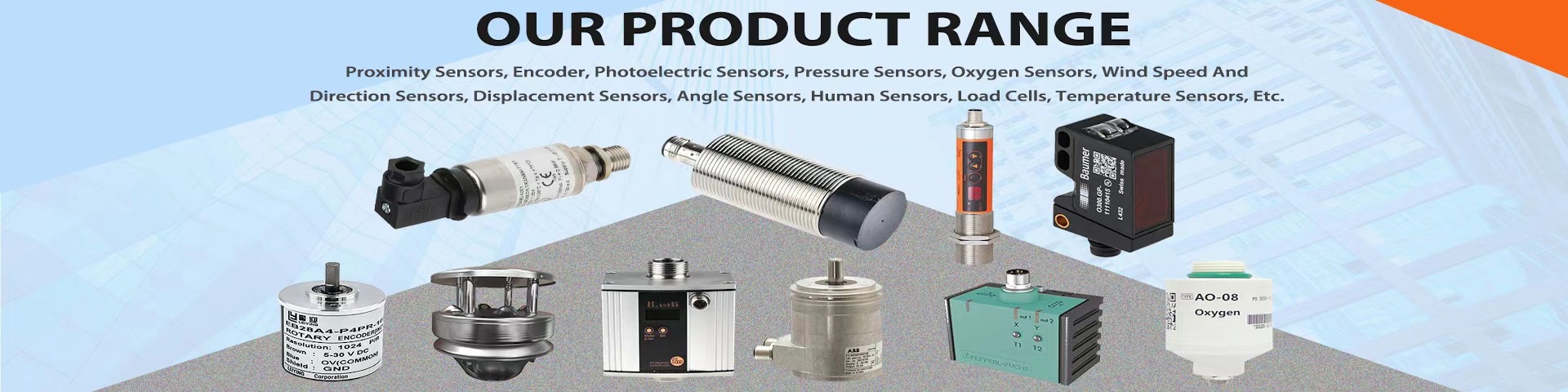

Будущее автоматизации вот-вот наступит с этими сенсорами
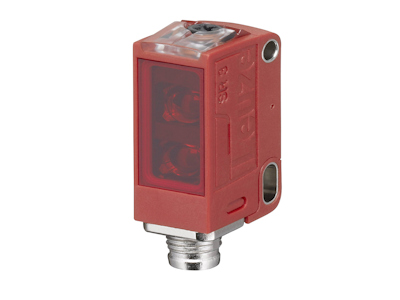
В мире, где технологии развиваются с невероятной скоростью, автоматизация становится ключевым драйвером прогресса. Но что стоит за этим феноменом? Ответ прост: сенсоры. Эти маленькие, но мощные устройства являются сердцем современной автоматизации, и их эволюция обещает кардинально изменить нашу жизнь. В этой статье мы глубоко погрузимся в мир сенсоров, исследуя их типы, применения, преимущества и то, как они приближают будущее автоматизации.
Введение в мир сенсоров
Сенсоры, или датчики, — это устройства, которые обнаруживают изменения в окружающей среде и преобразуют их в электрические сигналы. Они существуют уже десятилетия, но только в последние годы их возможности достигли такого уровня, что они стали незаменимыми в автоматизации. От простых температурных датчиков до сложных систем на основе искусственного интеллекта, сенсоры обеспечивают данные, необходимые для принятия решений в реальном времени.
Автоматизация без сенсоров была бы слепой. Представьте себе робота на производственной линии: без сенсоров он не мог бы определить положение деталей, избежать столкновений или адаптироваться к изменениям. Сенсоры предоставляют «глаза и уши» автоматизированным системам, делая их умными, эффективными и надежными.
В этой статье мы рассмотрим различные типы сенсоров, их применения в промышленности, здравоохранении, сельском хозяйстве и других областях, а также тенденции, которые определяют будущее автоматизации. Мы также обсудим вызовы, такие как безопасность данных и стоимость, и то, как инновации помогают их преодолеть.
Типы сенсоров и их принципы работы
Сенсоры можно классифицировать по множеству критериев: по типу измеряемой величины, по принципу действия, по области применения. Давайте рассмотрим основные категории.
Датчики температуры
Термодатчики, такие как термопары и термисторы, измеряют температуру и широко используются в системах климат-контроля, медицинских устройствах и промышленных процессах. Например, в умных домах они помогают автоматически регулировать отопление, экономя энергию.
Датчики давления
Эти сенсоры измеряют давление жидкостей или газов. В автомобильной промышленности они используются в системах ABS для обеспечения безопасности, а в медицине — в аппаратах искусственной вентиляции легких.
Оптические сенсоры
Сюда входят датчики света, изображения и LiDAR. Они незаменимы в робототехнике для навигации и в беспилотных автомобилях для обнаружения препятствий.
Акустические сенсоры
Микрофоны и ультразвуковые датчики используются для обнаружения звуков и расстояний. В умных городах они могут мониторить шумовое загрязнение.
Химические сенсоры
Они обнаруживают specific химические вещества, такие как CO2 или токсины, и применяются в экологическом мониторинге и безопасности пищевых продуктов.
Биометрические сенсоры
Сканеры отпечатков пальцев или распознавания лиц обеспечивают безопасность в устройствах и системах доступа.
Каждый тип сенсора работает на основе physical или chemical principles. Например, piezoresistive датчики давления изменяют сопротивление при деформации, в то время как optical сенсоры используют свет для измерения.
Innovation в materials science, such as the use of graphene or nanomaterials, has made sensors smaller, more sensitive, and energy-efficient. The integration with IoT (Internet of Things) allows them to communicate data wirelessly, enabling real-time analytics and control.
Применения сенсоров в автоматизации
Сенсоры являются основой автоматизации в numerous sectors. Let's explore some key areas.
Промышленная автоматизация
In manufacturing, sensors are used in robotics for precision assembly, in conveyor systems for item tracking, and in quality control to detect defects. For instance, vision sensors can inspect products at high speeds, reducing human error and increasing productivity.
Умные дома и города
Smart homes leverage sensors for lighting control, security (e.g., motion detectors), and energy management. In smart cities, sensors monitor traffic, air quality, and waste management, optimizing resources and improving quality of life.
Здравоохранение
Medical sensors enable remote patient monitoring, wearable devices for health tracking, and automated diagnostic systems. They help in early disease detection and personalized treatment, revolutionizing healthcare.
Сельское хозяйство
Precision agriculture uses soil moisture sensors, drones with multispectral cameras, and GPS for automated irrigation and crop monitoring, leading to higher yields and sustainable practices.
Транспорт и логистика
In autonomous vehicles, sensors like radar and cameras provide data for navigation. In logistics, RFID sensors track shipments in real-time, enhancing supply chain efficiency.
These applications demonstrate how sensors transform manual processes into automated, data-driven systems. The benefits include increased accuracy, reduced costs, and enhanced safety.
Преимущества сенсорной автоматизации
The adoption of sensor-based automation offers numerous advantages.
Повышенная эффективность
Sensors enable continuous monitoring and quick responses, reducing downtime and optimizing operations. For example, in energy sectors, smart grids use sensors to balance load and prevent outages.
Улучшенная точность
Unlike humans, sensors don't get tired or make mistakes. They provide precise measurements, crucial in fields like pharmaceuticals or aerospace.
Экономия затрат
Automation reduces labor costs and minimizes waste. In agriculture, sensors help apply water and fertilizers only where needed, saving resources.
Безопасность
Sensors can detect hazards like gas leaks or fires early, preventing accidents. In workplaces, they ensure compliance with safety standards.
Устойчивость
By optimizing resource use, sensors contribute to environmental sustainability. For instance, smart buildings reduce energy consumption through automated systems.
Overall, sensor-driven automation leads to smarter, more resilient systems that adapt to changing conditions.
Тенденции и будущее сенсоров
The future of sensors is bright, with several emerging trends.
Интеграция с ИИ и машинным обучением
AI enhances sensors by enabling predictive analytics. For example, in predictive maintenance, sensors data is analyzed to forecast equipment failures before they happen.
Миниатюризация и гибкость
Sensors are becoming smaller and flexible, allowing integration into wearables and implantable devices. This opens new possibilities in healthcare and consumer electronics.
Энергоэффективность
Advancements in low-power designs and energy harvesting (e.g., from ambient light or vibration) make sensors more sustainable and longer-lasting.
5G и edge computing
With 5G networks, sensors can transmit data faster, while edge computing processes data locally, reducing latency and bandwidth usage.
Бионические сенсоры
Inspired by biology, these sensors mimic natural systems, such as artificial noses for odor detection, offering high sensitivity and specificity.
These trends indicate that sensors will become even more pervasive, intelligent, and integrated into our daily lives, driving the next wave of automation.
Вызовы и решения
Despite the benefits, there are challenges in sensor-based automation.
Безопасность данных
With increased connectivity, sensors are vulnerable to cyber attacks. Solutions include encryption, secure protocols, and regular software updates.
Стоимость и доступность
High-quality sensors can be expensive, but mass production and open-source platforms are making them more affordable.
Стандартизация
Lack of uniform standards can hinder interoperability. Efforts by organizations like IEEE are promoting common protocols.
Этический considerations
Issues like privacy in surveillance systems need addressed through regulations and ethical guidelines.
Innovation in technology and policy is key to overcoming these challenges and ensuring responsible adoption.
Заключение
Сенсоры — это не просто компоненты; они catalysts for the future of automation. As they evolve, they will continue to transform industries, enhance our quality of life, and drive sustainable development. The future is indeed arriving with these sensors, and it's up to us to harness their potential wisely.
Embrace the sensor revolution and be part of the automated tomorrow. For more insights, stay tuned to our updates on cutting-edge technologies.
Предыдущая статья: Узнайте Как Широкоизмерительные Датчики Преображают Промышленность В Революцию
Следующий пост: Точнейшее измерение толщины с передововыми технологиями