

Что такое оптический барьерный датчик и как он работает
Вы когда-нибудь задумывались, как автоматические двери в супермаркетах открываются, когда вы подходите? Или как конвейерная лента на заводе останавливается, когда на пути появляется препятствие? Ответ на эти вопросы часто скрывается в небольшом, но мощном устройстве — оптическом барьерном датчике. В этой статье мы глубоко погрузимся в мир этих датчиков, разберём их принцип работы, преимущества, недостатки и применение. Давайте начнём с основ: что же такое оптический барьерный датчик?
Что такое оптический барьерный датчик?
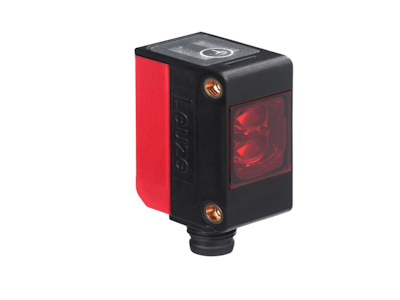
Оптический барьерный датчик — это электронное устройство, которое использует свет (обычно инфракрасный) для обнаружения объектов или изменений в окружающей среде. Он состоит из двух основных компонентов: передатчика (излучателя) и приёмника. Передатчик посылает луч света, а приёмник его принимает. Если луч прерывается объектом, датчик регистрирует это изменение и отправляет сигнал, который может использоваться для управления другими устройствами, такими как двигатели, клапаны или системы сигнализации.
Почему он называется «барьерным»? Потому что он создаёт невидимый барьер из света. Когда этот барьер нарушается, датчик срабатывает. Это похоже на невидимую стену, которая «чувствует» любое вторжение. Такая технология широко используется в автоматизации, безопасности и многих других областях благодаря своей надёжности и точности.
История оптических датчиков началась в середине XX века с развитием полупроводниковых технологий. Первые модели были громоздкими и менее эффективными, но с появлением светодиодов (LED) и фотодиодов они стали компактными, энергоэффективными и доступными. Сегодня оптические барьерные датчики — неотъемлемая часть современной промышленности и бытовой электроники.
Как работает оптический барьерный датчик?
Принцип работы оптического барьерного датчика основан на простой, но элегантной идее: использование света для обнаружения объектов. Давайте разберём этот процесс шаг за шагом.
Сначала передатчик, который обычно является инфракрасным светодиодом (IR LED), излучает луч света. Инфракрасный свет выбран потому, что он невидим для человеческого глаза, что делает датчик discreet и avoids interference from ambient light. Этот луч направлен точно на приёмник, который содержит фотодиод или фототранзистор. Приёмник постоянно мониторит интенсивность принимаемого света.
Когда луч света беспрепятственно достигает приёмника, система находится в «нормальном» состоянии. Приёмник регистрирует стабильный сигнал, и датчик не активируется. Однако, если между передатчиком и приёмником появляется объект — например, человек, машина или даже пыль — луч прерывается. Приёмник detects a drop in light intensity, и это изменение преобразуется в электрический сигнал.
Этот сигнал обрабатывается внутренней электроникой датчика, которая может включать усилители, компараторы и логические схемы. В зависимости от конструкции, датчик может выдавать цифровой сигнал (например, HIGH или LOW) или аналоговый сигнал, пропорциональный степени прерывания. Затем этот сигнал используется для triggering external devices, such as stopping a conveyor belt, activating an alarm, or opening a door.
Ключевые аспекты работы включают модуляцию света для уменьшения влияния окружающего освещения. Многие современные датчики используют pulsed IR light with a specific frequency, и приёмник настроен на эту频率, чтобы игнорировать другие источники света. Это значительно повышает надёжность в изменяющихся условиях освещения.
Additionally, the range of the sensor depends on the power of the transmitter and the sensitivity of the receiver. Typical ranges can vary from a few centimeters to several meters. For long-range applications, lasers might be used instead of LEDs to achieve greater precision and distance.
Типы оптических барьерных датчиков
Оптические барьерные датчики come in various types, each suited for specific applications. The most common classification is based on the configuration of the transmitter and receiver.
1. Сквозные датчики (Through-beam sensors): In this type, the transmitter and receiver are separate units placed opposite each other. The beam travels directly from one to the other. This setup offers the longest range and highest reliability because the beam is strong and less affected by environmental factors. However, it requires precise alignment and more wiring, which can be a drawback in some installations.
2. Retro-reflective sensors: Here, the transmitter and receiver are housed in the same unit. The beam is sent towards a reflector (a special mirror or retroreflector) and bounces back to the receiver. When an object interrupts the beam, the sensor triggers. This type is easier to install than through-beam sensors since only one unit needs to be mounted, but the range is shorter, and it can be affected by the reflectivity of the object.
3. Diffuse reflective sensors: Also known as proximity sensors, these have the transmitter and receiver in one unit, but they detect light reflected directly from the object itself. No separate reflector is needed. They are simple to use but have limited range and can be influenced by the color and surface of the object (darker objects absorb more light and might not be detected as easily).
Each type has its pros and cons. Through-beam sensors are ideal for high-precision applications like packaging machines, retro-reflective sensors are great for conveyor systems where objects might vary in size, and diffuse sensors are perfect for short-range detection in consumer electronics.
Преимущества и недостатки
Optical barrier sensors offer numerous advantages that make them popular in many fields.
Преимущества:
- Высокая точность и надежность: Они могут detect objects with millimeter precision and are less prone to mechanical wear compared to contact sensors.
- Быстрое response time: Light travels at, well, the speed of light, so these sensors can react almost instantaneously, making them suitable for high-speed applications.
- Non-contact operation: Since they don't need physical contact, they avoid issues like abrasion or contamination, which is crucial in clean environments like food processing or pharmaceuticals.
- Versatility: They can detect a wide range of materials, including transparent objects (by using specific wavelengths), and are usable in various environments from factories to outdoors.
Недостатки:
- Susceptibility to environmental factors: Dust, fog, or strong ambient light can interfere with the beam, causing false triggers or reduced performance. Modern sensors with modulation help mitigate this, but it's still a consideration.
- Limited range for some types: Diffuse sensors, for example, have shorter ranges compared to through-beam models.
- Cost and complexity: High-end sensors with advanced features can be expensive, and installation might require careful alignment, especially for long-range setups.
Despite these drawbacks, the benefits often outweigh the costs, leading to widespread adoption.
Применение оптических барьерных датчиков
The applications of optical barrier sensors are vast and diverse. Let's explore some key areas where they shine.
In промышленная автоматизация, they are used for object detection on assembly lines, counting products, and ensuring safety by stopping machinery when a person is too close. For instance, in automotive manufacturing, sensors detect parts on conveyors to coordinate robotic arms.
In безопасность и охрана, they form invisible barriers around sensitive areas. If someone crosses the beam, an alarm is triggered. This is common in museums, banks, and high-security facilities.
In бытовая электроника, you'll find them in automatic doors, elevator systems, and even in some smartphones for proximity detection (e.g., turning off the screen during a call).
Other applications include транспорт (e.g., detecting vehicles at traffic lights), сельское хозяйство (e.g., monitoring crop levels), and медицина (e.g., in equipment for non-invasive monitoring).
The flexibility of these sensors allows them to be customized for specific needs, such as using different wavelengths for detecting specific materials or incorporating IoT capabilities for smart monitoring.
Как выбрать подходящий датчик?
Selecting the right optical barrier sensor depends on several factors. Consider the following:
- Диапазон обнаружения: How far away do you need to detect objects? Choose through-beam for long range, diffuse for short range.
- Условия окружающей среды: If there's dust or moisture, opt for sensors with IP ratings for protection. For areas with variable light, ensure modulation is included.
- Тип объекта:
What are you detecting? Transparent objects might require specific IR wavelengths, while dark objects may need more sensitive receivers.
- Скорость response: For high-speed processes, look for sensors with fast response times.
- Бюджет: Balance cost with features; sometimes a basic sensor is sufficient, but for critical applications, invest in higher-quality models.
Consulting with manufacturers or experts can help in making the best choice for your application.
Будущее оптических барьерных датчиков
The future of optical barrier sensors is bright, with advancements in technology driving innovation. Trends include miniaturization, making sensors smaller and more integrable into IoT devices. Enhanced intelligence with AI algorithms can allow sensors to distinguish between different types of interruptions, reducing false alarms.
Energy efficiency is also improving, with low-power designs enabling battery-operated sensors for wireless applications. Additionally, the integration with wireless communication (like Bluetooth or Wi-Fi) facilitates remote monitoring and control, opening up new possibilities in smart cities and home automation.
As materials science progresses, we might see sensors that are even more resistant to harsh environments or capable of detecting subtler changes, expanding their use in fields like environmental monitoring or healthcare.
Заключение
Оптические барьерные датчики — это удивительные устройства, которые незаметно работают behind the scenes to make our lives easier and safer. From automating factories to securing our homes, their ability to detect objects without contact is a testament to human ingenuity. By understanding how they work and their applications, we can appreciate the technology that drives modern automation. Whether you're an engineer, a student, or just curious, I hope this article has shed light on the fascinating world of optical barrier sensors. If you have questions or thoughts, feel free to explore further — the possibilities are endless!
Remember, next time you walk through an automatic door, think about the tiny beam of light that made it possible. It's a small thing, but it represents a big leap in technology.
Предыдущая статья: Энкодеры датчики почему они незаменимы в автоматизации
Следующий пост: Почему датчик измерения скорости важен для промышленности