
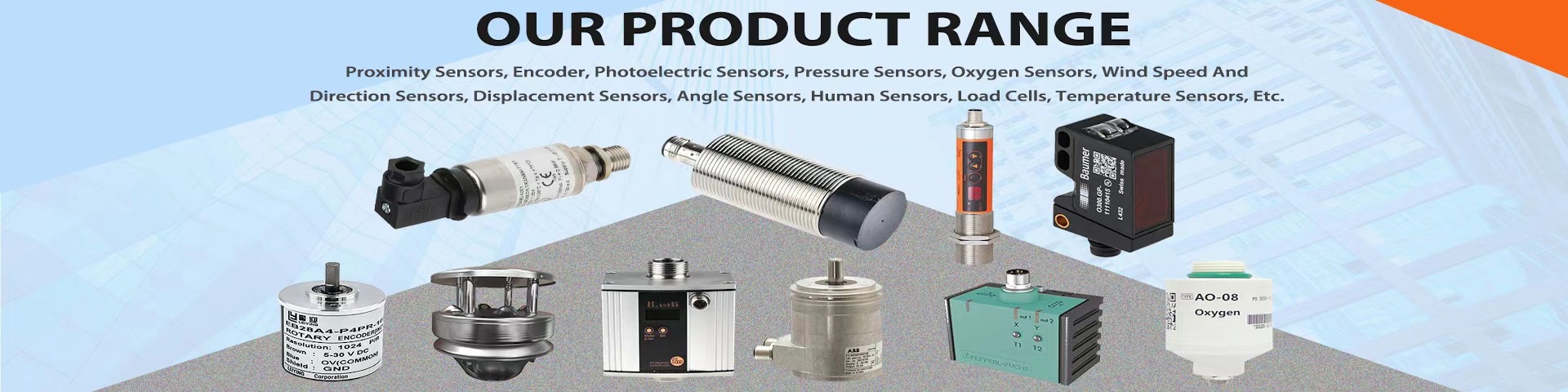

Эффективный мониторинг с помощью датчиков рассеянного света для идеального контроля
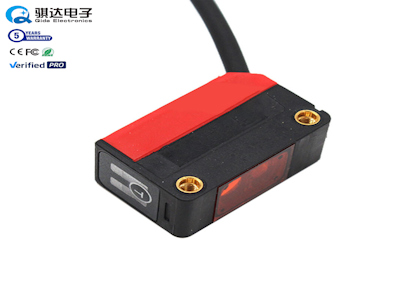
В современном мире, где технологии стремительно развиваются, эффективный мониторинг и контроль становятся ключевыми элементами для обеспечения безопасности, повышения производительности и оптимизации процессов. Одним из инновационных инструментов в этой области являются датчики рассеянного света, которые предлагают уникальные возможности для точного и надежного наблюдения за различными параметрами. В этой статье мы подробно рассмотрим, как эти устройства могут быть использованы для идеального контроля, обсудим их принципы работы, преимущества, практические применения и будущие перспективы.
Введение в датчики рассеянного света
Датчики рассеянного света — это оптические устройства, которые измеряют интенсивность света, рассеянного частицами или объектами в среде. Они основаны на принципе рассеяния света, который occurs when light interacts with matter, causing it to change direction. This phenomenon is widely used in various applications, from environmental monitoring to industrial processes. The sensors typically consist of a light source, such as a laser or LED, and a detector that measures the scattered light. By analyzing the intensity and pattern of the scattered light, these sensors can provide valuable information about the properties of the medium, such as particle concentration, size, and composition.
История разработки датчиков рассеянного света восходит к началу 20 века, когда ученые начали изучать рассеяние света для анализа атмосферных явлений. С развитием технологий, особенно в области оптоэлектроники и микроэлектроники, эти устройства стали более компактными, точными и доступными. Сегодня они используются в самых разных областях, включая метеорологию, медицину, производство и безопасность.
Основные компоненты датчика рассеянного света включают источник света, оптическую систему для фокусировки и коллимации света, детектор для измерения рассеянного излучения, и электронный блок для обработки данных. Современные датчики often incorporate advanced features such as digital signal processing, wireless connectivity, and integration with IoT platforms, making them highly versatile and efficient.
Принципы работы датчиков рассеянного света
Принцип работы датчиков рассеянного света основан на физическом явлении рассеяния света, которое может быть описано различными теориями, такими как теория Ми или рэлеевское рассеяние, в зависимости от размера частиц относительно длины волны света. Когда свет падает на частицу, он рассеивается во всех направлениях, и интенсивность рассеянного света зависит от таких факторов, как размер частицы, форма, показатель преломления и угол рассеяния.
В датчиках рассеянного света используется определенная геометрия измерения, где источник света и детектор positioned at specific angles to optimize the detection of scattered light. For example, in backscatter configurations, the detector is placed near the light source to measure light scattered back towards the source, which is useful for measuring high concentrations of particles. In forward scatter setups, the detector is placed opposite the source, suitable for measuring lower concentrations.
Электронная часть датчика converts the measured light intensity into electrical signals, which are then processed to extract relevant parameters. Advanced algorithms, such as those based on machine learning, can be used to improve accuracy and compensate for environmental factors like temperature and humidity. Calibration is crucial for ensuring reliable measurements, and modern sensors often include self-calibration features to maintain performance over time.
Ключевые параметры, измеряемые датчиками рассеянного света, включают концентрацию частиц, размер distribution, and turbidity. These parameters are essential for applications such as air quality monitoring, where particle concentration indicates pollution levels, or in water treatment, where turbidity measures the clarity of water.
Преимущества использования датчиков рассеянного света
Использование датчиков рассеянного света offers numerous advantages over traditional monitoring methods. One of the primary benefits is their non-invasive nature; they can measure parameters without direct contact with the medium, reducing the risk of contamination or damage. This makes them ideal for applications in sensitive environments, such as pharmaceutical production or food processing.
Еще одно преимущество — высокая точность и чувствительность. Modern sensors can detect very low concentrations of particles, down to parts per billion in some cases, and provide real-time data with minimal latency. This allows for immediate response to changes in conditions, enhancing control and safety.
Датчики рассеянного света также отличаются versatility. They can be used in a wide range of environments, from harsh industrial settings to outdoor meteorological stations, and can measure various types of particles, including dust, smoke, droplets, and biological agents. Their compact size and low power consumption make them suitable for portable and remote monitoring applications.
Экономическая эффективность is another significant advantage. While initial costs may be higher than some traditional methods, the long-term benefits, such as reduced maintenance, improved efficiency, and prevention of costly failures, often justify the investment. Additionally, integration with digital systems enables automated monitoring and data analysis, further reducing operational costs.
Наконец, эти датчики способствуют устойчивому развитию by enabling better environmental management. For example, in air quality monitoring, they help track pollutant levels and support efforts to reduce emissions, contributing to public health and climate goals.
Практические применения в промышленности
В промышленности датчики рассеянного света нашли широкое применение для мониторинга и контроля процессов. One common use is in manufacturing, where they are used to monitor particle levels in cleanrooms to ensure product quality. For instance, in semiconductor production, even tiny particles can cause defects in chips, so continuous monitoring is essential.
В пищевой промышленности these sensors are employed to measure turbidity in liquids, such as beverages or dairy products, to ensure consistency and safety. They can detect contaminants or variations in composition, allowing for adjustments in real-time during processing.
В энергетическом секторе датчики используются для monitoring emissions from combustion processes. By measuring particulate matter in exhaust gases, they help optimize combustion efficiency and ensure compliance with environmental regulations. This not only reduces pollution but also improves fuel efficiency and lowers costs.
Another industrial application is in mining and construction, where dust monitoring is critical for worker safety. Sensors can detect airborne dust levels and trigger alarms or ventilation systems when concentrations exceed safe limits, preventing health issues such as silicosis.
Интеграция с системами Industry 4.0 allows these sensors to be part of smart factories, where data from multiple sensors is aggregated and analyzed to optimize overall operations. For example, predictive maintenance can be implemented by monitoring particle wear in machinery, indicating when components need replacement before failure occurs.
Применения в экологическом мониторинге
Экологический мониторинг является одной из ключевых областей, где датчики рассеянного света demonstrate their value. In air quality assessment, these sensors are deployed in networks to measure concentrations of particulate matter (PM2.5 and PM10), which are major pollutants linked to respiratory diseases and environmental degradation. Real-time data from these sensors can be used to issue public health advisories and guide policy decisions.
В водных системах датчики используются для monitoring turbidity and suspended solids in rivers, lakes, and oceans. High turbidity can indicate erosion, pollution, or algal blooms, which affect aquatic life and water usability. By providing continuous measurements, these sensors help in managing water resources and protecting ecosystems.
Метеорологические applications include measuring visibility and fog density using forward scatter sensors. This is crucial for transportation safety, especially in aviation and maritime industries, where poor visibility can lead to accidents. Sensors installed at airports or ports provide real-time data to assist in navigation and operations.
Кроме того, датчики рассеянного света используются в сельском хозяйстве для monitoring soil and crop conditions. For example, they can detect dust or pesticide drift, helping farmers minimize environmental impact and improve crop yields through precise application techniques.
С развитием IoT, эти датчики increasingly integrated into smart city initiatives, where they contribute to comprehensive environmental monitoring systems. Data from multiple sources can be combined to create detailed maps of pollution levels, enabling targeted interventions and public awareness campaigns.
Использование в области безопасности
В сфере безопасности датчики рассеянного света play a vital role in detecting and monitoring hazardous conditions. One prominent application is in fire detection, where they are used in smoke detectors to sense particles produced by combustion. Their high sensitivity allows for early warning, potentially saving lives and property.
В системах безопасности периметра эти датчики могут обнаруживать intrusions by measuring disturbances in light scattering caused by moving objects. For example, in laser-based security systems, any interruption in the light beam triggers an alarm, providing a non-contact method for surveillance.
В химической и биологической защите датчики используются для detecting airborne agents, such as toxic gases or biological pathogens. By measuring light scattering from aerosolized particles, they can identify threats in real-time, enabling rapid response in scenarios like industrial accidents or terrorist attacks.
Еще одно применение — в транспортной безопасности, где датчики monitor visibility conditions in tunnels or on roads. Low visibility due to fog, smoke, or dust can be detected, and systems can automatically adjust lighting or speed limits to enhance safety.
Интеграция с другими technologies, such as cameras and AI, enhances the capabilities of these sensors. For instance, in smart buildings, data from light scattering sensors can be combined with thermal imaging to improve fire detection accuracy and reduce false alarms.
Технические аспекты и инновации
Технический прогресс в датчиках рассеянного света continues to drive improvements in performance and functionality. Recent innovations include the development of miniaturized sensors using MEMS technology, which reduces size and cost while maintaining high accuracy. These sensors can be embedded in wearable devices or drones for mobile monitoring applications.
Усовершенствования в источниках света, such as the use of LEDs and lasers with specific wavelengths, allow for targeted measurements. For example, different wavelengths can be used to distinguish between types of particles, such as organic vs. inorganic materials, enhancing the specificity of measurements.
Электронная обработка сигналов has seen significant advances with the adoption of digital signal processors and machine learning algorithms. These technologies enable real-time data analysis, noise reduction, and adaptive calibration, making sensors more reliable in varying conditions.
Беспроводная связь и IoT integration are key trends, allowing sensors to transmit data seamlessly to cloud platforms for centralized monitoring and analysis. This facilitates remote management and enables the creation of large-scale sensor networks for comprehensive coverage.
Энергоэффективность is another area of focus, with developments in low-power designs and energy harvesting techniques, such as using solar power, making sensors suitable for long-term deployment in remote areas without frequent maintenance.
Стандартизация и interoperability are being addressed through industry consortia and protocols, ensuring that sensors from different manufacturers can work together seamlessly, promoting wider adoption and innovation.
Будущие тенденции и перспективы
Будущее датчиков рассеянного света looks promising, with several trends shaping their evolution. One major direction is the increased use of AI and big data analytics to extract deeper insights from sensor data. For example, predictive models can forecast pollution levels or equipment failures based on historical data, enabling proactive measures.
Расширение применения в новых областях, such as healthcare, where these sensors could be used for non-invasive diagnostics, like measuring blood cell counts or detecting pathogens in breath. This could revolutionize medical monitoring and point-of-care testing.
Разработка более affordable and scalable sensors will drive democratization, allowing smaller organizations and developing regions to benefit from advanced monitoring capabilities. Initiatives like open-source hardware and software are contributing to this trend.
Интеграция с другими sensing technologies, such as hyperspectral imaging or acoustic sensors, will create multimodal systems that provide a more comprehensive understanding of environments. This holistic approach is essential for complex applications like climate change research or disaster management.
Устойчивость и eco-design will become increasingly important, with efforts to reduce the environmental impact of sensor production and disposal. This includes using recyclable materials and designing for longevity and easy upgrades.
Наконец, regulatory frameworks and standards will evolve to ensure the reliability and safety of these sensors, particularly in critical applications like healthcare and security. Collaboration between industry, academia, and governments will be key to fostering innovation while maintaining high standards.
Заключение
В заключение, датчики рассеянного света представляют собой мощный инструмент для эффективного мониторинга и контроля в различных сферах. Их ability to provide accurate, real-time data on particle-related parameters makes them invaluable for industries, environmental protection, and safety applications. With ongoing advancements in technology and expanding applications, these sensors are poised to play an even greater role in shaping a smarter, safer, and more sustainable future. By leveraging their capabilities, organizations can achieve ideal control over processes and environments, ultimately driving progress and improving quality of life.
Для успешного внедрения рекомендуется тщательно оценивать specific needs, choose sensors with appropriate specifications, and ensure proper calibration and maintenance. Collaboration with experts and staying informed about latest developments will help maximize the benefits of this innovative technology.
Предыдущая статья: Какие новейшие методы обнаружения микроскопических объектов используются сегодня
Следующий пост: Как улучшить детекцию тонких линий на сложных изображениях