
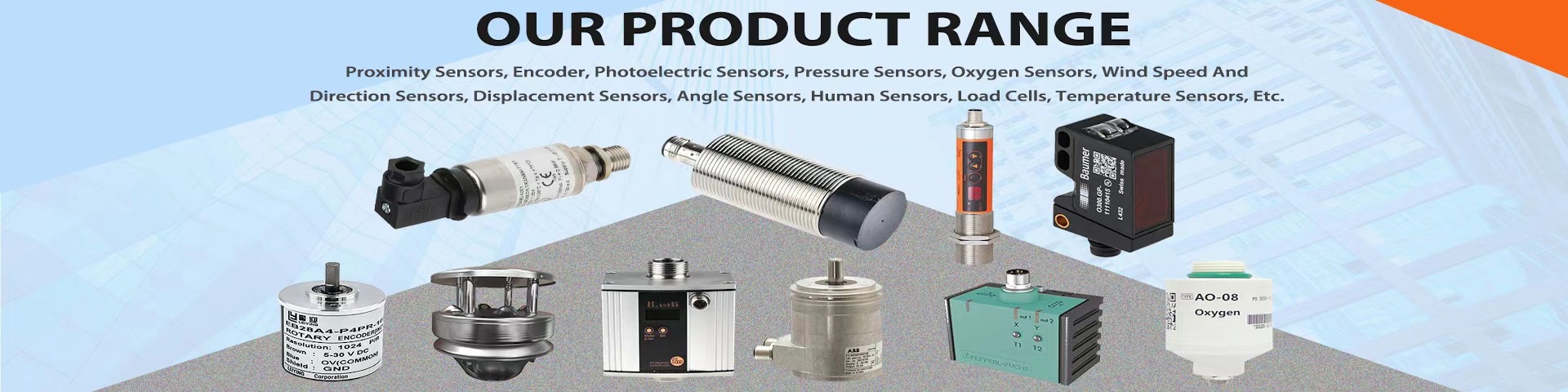

Ультрасовременные фотодетекторы для технологий будущего
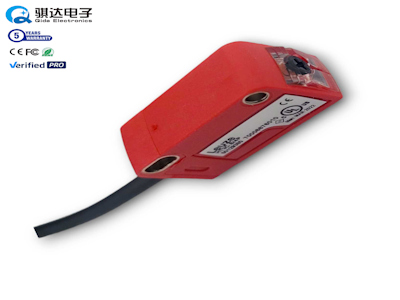
В современном мире, где технологии развиваются с невероятной скоростью, фотодетекторы играют ключевую роль в множестве отраслей. От медицинской диагностики до квантовых вычислений, эти устройства преобразуют световые сигналы в электрические, открывая новые горизонты для инноваций. В этой статье мы погрузимся в мир ультрасовременных фотодетекторов, исследуя их принципы работы, текущие применения и то, как они будут формировать технологии будущего.
Что такое фотодетекторы?
Фотодетекторы — это электронные устройства, которые обнаруживают и измеряют световое излучение, преобразуя его в электрические сигналы. Основной принцип их работы основан на фотоэлектрическом эффекте, открытом Альбертом Эйнштейном в 1905 году. Когда фотоны света попадают на чувствительный материал, они выбивают электроны, создавая электрический ток. Этот процесс позволяет точно измерять интенсивность, длину волны и другие параметры света.
Исторически первые фотодетекторы, такие как фоторезисторы и фотодиоды, появились в середине XX века и использовались в простых приложениях, например, в системах автоматического освещения. Однако с развитием полупроводниковых технологий и наноинженерии современные фотодетекторы стали более чувствительными, быстрыми и многофункциональными. Сегодня они включают в себя сложные структуры, такие как лавинные фотодиоды, фотодетекторы на основе графена и квантовых точек, которые способны работать в широком спектральном диапазоне — от ультрафиолетового до инфракрасного излучения.
Принципы работы ультрасовременных фотодетекторов
Ультрасовременные фотодетекторы leverage advanced materials and designs to achieve unprecedented performance. Key principles include:
- Высокая чувствительность: Использование материалов с низким уровнем шума, таких как кремний-германиевые сплавы, позволяет обнаруживать даже одиночные фотоны. Это критически важно для applications like quantum cryptography and low-light imaging.
- Широкий spectral response: Современные детекторы can cover multiple wavelengths simultaneously, thanks to tunable semiconductors and metamaterials. For instance, detectors based on perovskite materials can be engineered to respond from UV to IR.
- Быстрота response: With response times in picoseconds, these devices are ideal for high-speed communications and real-time monitoring. Technologies like superconducting nanowire single-photon detectors (SNSPDs) exemplify this.
- Интеграция с electronics: Miniaturization and integration with CMOS technology enable compact, low-power devices that can be embedded in various systems, from smartphones to satellites.
Эти принципы not only enhance performance but also reduce costs and energy consumption, making photodetectors more accessible for widespread use.
Применение в медицине и биологии
В медицинской отрасли ультрасовременные фотодетекторы revolutionize diagnostics and treatment. For example, in fluorescence microscopy, high-sensitivity detectors allow researchers to observe cellular processes in real-time with minimal photobleaching. This is crucial for studying diseases like cancer or neurological disorders.
Another promising application is in optogenetics, where light-sensitive proteins are used to control neural activity. Advanced photodetectors enable precise delivery and monitoring of light stimuli, paving the way for new therapies for conditions such as Parkinson's disease or depression.
Moreover, in medical imaging techniques like optical coherence tomography (OCT), photodetectors provide high-resolution images of tissues, aiding in early detection of ailments without invasive procedures. The integration of artificial intelligence with these detectors further enhances accuracy by analyzing vast datasets in real-time.
Роль в коммуникациях и IoT
The Internet of Things (IoT) relies heavily on sensors that can communicate wirelessly, and photodetectors are at the heart of optical communication systems. In fiber-optic networks, they convert light signals into electrical data, enabling high-speed internet and 5G connectivity. With the advent of Li-Fi (Light Fidelity), which uses light for data transmission, photodetectors in devices like smartphones and routers facilitate faster and more secure communication.
In IoT applications, photodetectors are used in environmental monitoring, such as detecting pollutants or measuring light levels for smart lighting systems. Their low power consumption and small size make them ideal for battery-operated devices that need to operate autonomously for extended periods.
Future developments may see photodetectors integrated into wearable technology, providing real-time health monitoring through light-based sensors that measure heart rate, blood oxygen levels, and more.
Квантовые вычисления и криптография
Quantum technologies represent the next frontier, and photodetectors are essential components. In quantum computing, they are used to read out qubit states in photonic quantum processors. Single-photon detectors, such as those based on superconducting materials, are capable of detecting individual photons with high efficiency, which is vital for maintaining quantum coherence and reducing errors.
In quantum cryptography, photodetectors ensure secure communication by detecting eavesdropping attempts. Quantum key distribution (QKD) systems rely on these detectors to verify the integrity of encrypted keys, making data transmission virtually unhackable.
As quantum technologies mature, the demand for even more advanced photodetectors will grow, driving research into new materials like 2D materials (e.g., graphene) and topological insulators that offer superior performance at cryogenic temperatures.
Перспективы и вызовы
Looking ahead, the future of photodetectors is bright but not without challenges. Key trends include:
- Развитие новых материалов: Researchers are exploring organic semiconductors, metal-halide perovskites, and other novel materials to improve sensitivity and reduce costs. These materials could lead to flexible, printable photodetectors for unconventional applications.
- Интеграция с AI: Machine learning algorithms can optimize detector performance by compensating for noise and enhancing signal processing, making systems more intelligent and adaptive.
- Экологическая устойчивость: As electronic waste becomes a concern, developing biodegradable or recyclable photodetectors is gaining attention. Efforts are underway to use eco-friendly materials without compromising performance.
However, challenges such as scalability, cost-effectiveness, and interoperability with existing technologies must be addressed. Collaboration between academia, industry, and governments will be crucial to overcome these hurdles and fully realize the potential of ultra-modern photodetectors.
Заключение
Ультрасовременные фотодетекторы are not just components; they are enablers of future technologies. From healthcare to quantum computing, their impact is profound and growing. As we continue to innovate, these devices will become even more integral to our daily lives, driving progress in ways we can only begin to imagine. Embracing this technology today will ensure a brighter, more connected tomorrow.
Investing in research and development of photodetectors is essential for staying at the forefront of technological advancement. Whether you are a scientist, engineer, or simply a tech enthusiast, understanding and supporting these innovations can help shape a better future for all.