


Инновационные решения для цветовых маркеров сенсоры нового поколения
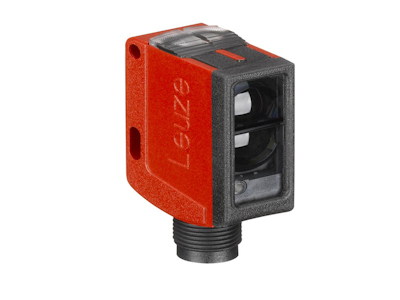
В современном мире технологии стремительно развиваются, и одной из наиболее перспективных областей являются цветовые маркеры и сенсоры нового поколения. Эти устройства представляют собой передовые инструменты, способные обнаруживать, анализировать и интерпретировать цвета с высокой точностью, что открывает бесчисленные возможности для различных отраслей. От промышленности до здравоохранения, от сельского хозяйства до бытовой электроники – инновационные сенсоры играют ключевую роль в повышении эффективности, безопасности и удобства. В этой статье мы подробно исследуем, что такое цветовые маркеры и сенсоры нового поколения, как они работают, их преимущества, применение, а также тенденции и вызовы, стоящие перед этой технологией. Мы также рассмотрим реальные примеры и будущие перспективы, чтобы помочь вам понять, почему эти инновации так важны для нашего будущего.
Что такое цветовые маркеры и сенсоры нового поколения?
Цветовые маркеры и сенсоры нового поколения – это продвинутые устройства, предназначенные для обнаружения, измерения и анализа цветов в различных средах. В отличие от традиционных сенсоров, которые могут быть ограничены в точности или функциональности, новые поколения используют передовые технологии, такие как искусственный интеллект (ИИ), машинное обучение, Интернет вещей (IoT) и оптические системы высокого разрешения. Эти сенсоры могут быть интегральной частью умных систем, автоматически адаптируясь к изменениям и предоставляя данные в реальном времени. Например, в промышленности они используются для контроля качества продукции, определяя мельчайшие отклонения в цвете, которые могут указывать на дефекты. В здравоохранении они помогают в диагностике, анализируя цветовые изменения в биологических образцах. Основные компоненты включают оптические датчики, процессоры для обработки данных и программное обеспечение для интерпретации результатов. Благодаря миниатюризации и снижению стоимости, эти сенсоры становятся все более доступными и широко применяемыми.
Ключевые технологические достижения
Технологический прогресс в области цветовых сенсоров впечатляет. Одним из главных достижений является интеграция ИИ и машинного обучения, которые позволяют сенсорам не только измерять цвета, но и учиться на данных, улучшая точность с течением времени. Например, алгоритмы глубокого обучения могут идентифицировать сложные цветовые паттерны, которые ранее были недоступны для человеческого глаза. Другое важное innovation – использование нанотехнологий, которые обеспечивают сверхвысокое разрешение и чувствительность. Оптические сенсоры на основе квантовых точек или метаматериалов способны detect даже single photon, что открывает возможности для применения в научных исследованиях и высокоточной индустрии. Кроме того, развитие IoT позволяет сенсорам обмениваться данными через облачные платформы, обеспечивая удаленный мониторинг и управление. Это особенно полезно в умных городах или сельском хозяйстве, где данные о цвете растений или окружающей среды могут использоваться для оптимизации ресурсов. Также стоит отметить улучшения в энергоэффективности – современные сенсоры потребляют меньше энергии, что делает их идеальными для портативных устройств и long-term deployments.
Преимущества умных сенсоров
Умные цветовые сенсоры предлагают множество преимуществ по сравнению с традиционными аналогами. Во-первых, они обеспечивают высочайшую точность и надежность, снижая ошибки в измерениях. Это критически важно в таких областях, как фармацевтика или пищевая промышленность, где даже minor color variations can indicate contamination or spoilage. Во-вторых, они способны к автоматизации, уменьшая необходимость человеческого вмешательства и повышая производительность. Например, в manufacturing, automated color sensors can inspect thousands of items per hour, ensuring consistent quality. В-третьих, эти сенсоры often come with connectivity features, allowing real-time data analysis and alerts. This enables proactive maintenance and decision-making, such as in environmental monitoring where changes in color can signal pollution. Additionally, their versatility means they can be customized for specific applications, from art restoration to security systems. Cost-effectiveness is another key benefit; as technology advances, prices decrease, making these sensors accessible to small businesses and consumers. Finally, they contribute to sustainability by optimizing resource use, such as in agriculture where color sensors help apply fertilizers only where needed, reducing waste and environmental impact.
Применение в различных отраслях
Применение цветовых маркеров и сенсоров нового поколения охватывает широкий спектр отраслей, демонстрируя их универсальность и transformative potential. В промышленности они используются для контроля качества, например, в automotive or textile sectors, where color consistency is crucial for brand identity. Sensors can detect defects in paints or fabrics, ensuring products meet standards. В здравоохранении, эти сенсоры играют vital role in diagnostics; for instance, they can analyze blood or urine samples for color changes that indicate diseases like diabetes or infections. In point-of-care devices, they enable rapid and accurate tests without lab equipment. Сельское хозяйство benefits greatly from color sensors; they monitor crop health by assessing leaf color, which correlates with nutrient levels, allowing precision farming that boosts yields and reduces chemical use. В потребительской электронике, smartphones and cameras incorporate advanced color sensors for better photography and display calibration. Другие области включают безопасность, где сенсоры detect counterfeit goods by analyzing color patterns, и искусство, для реставрации и authentication of artworks. Even in everyday life, smart home devices use color sensors to adjust lighting based on ambient conditions, enhancing comfort and energy efficiency. The possibilities are endless, and as technology evolves, new applications continue to emerge.
Тенденции и будущие перспективы
Тенденции в развитии цветовых сенсоров указывают на exciting future. One major trend is the integration with augmented reality (AR) and virtual reality (VR), where color sensors enhance immersive experiences by accurately capturing and rendering colors in real-time. Another trend is the move towards edge computing, where sensors process data locally rather than in the cloud, reducing latency and improving privacy – ideal for applications like autonomous vehicles that need instant color recognition for navigation. The rise of biodegradable and eco-friendly sensors is also gaining traction, addressing environmental concerns. In terms of future prospects, we can expect even smaller, more powerful sensors with capabilities like hyperspectral imaging, which goes beyond visible light to detect a wider range of wavelengths for more detailed analysis. Collaboration with other technologies, such as blockchain for secure data logging, will enhance trust in sensitive applications like medical diagnostics. Additionally, as AI continues to advance, sensors will become more autonomous, capable of self-calibration and adaptive learning. The market for color sensors is projected to grow significantly, driven by demand from emerging economies and new industries. Ultimately, these innovations will lead to smarter, more connected worlds where color sensing is seamless and integral to daily life.
Реальные примеры и кейс-стади
Чтобы иллюстрировать эффективность цветовых сенсоров, рассмотрим несколько реальных примеров. В automotive industry, companies like BMW use advanced color sensors in their painting robots to ensure every car has a flawless finish; sensors detect minor color deviations and adjust spraying parameters in real-time, reducing waste and rework. In healthcare, the company Hemoglobincheck developed a portable device with color sensors that non-invasively measures hemoglobin levels by analyzing nail bed color, providing quick diagnostics for anemia in remote areas. In agriculture, John Deere integrates color sensors into their tractors to monitor crop health; by assessing plant color, the system recommends precise fertilizer application, increasing yields by up to 20% while cutting costs. Another example is in retail, where Amazon uses color sensors in their Go stores to track inventory; sensors on shelves detect when items are picked up based on color changes, enabling cashier-less shopping. These case studies show how color sensors drive efficiency, accuracy, and innovation across sectors, proving their value in practical scenarios.
Вызовы и ограничения
Несмотря на многочисленные преимущества, цветовые сенсоры нового поколения сталкиваются с определенными вызовами и ограничениями. Одним из основных challenges является calibration and environmental factors; changes in lighting conditions, such as sunlight or artificial light, can affect accuracy, requiring sophisticated algorithms to compensate. This is particularly problematic in outdoor applications like agriculture or surveillance. Another issue is cost; while prices are decreasing, high-end sensors with advanced features can still be expensive, limiting adoption in budget-constrained settings. Data privacy and security are also concerns, especially when sensors are connected to IoT networks and collect sensitive information; breaches could lead to misuse of data. Additionally, the complexity of integration with existing systems can be a barrier for some businesses, necessitating specialized expertise. Technological limitations include the range of detectable colors; most sensors are optimized for visible spectrum, but extending to infrared or ultraviolet requires additional components, increasing size and cost. Finally, there is a need for standardization across industries to ensure interoperability and reliability. Addressing these challenges through research, development, and collaboration will be key to unlocking the full potential of color sensors.
Как выбрать подходящий сенсор
Выбор подходящего цветового сенсора зависит от конкретных потребностей приложения. Первым шагом является определение точности required; for high-precision tasks like medical diagnostics, opt for sensors with high resolution and calibration capabilities. Consider the environment; if operating outdoors, choose sensors with robust housing and algorithms for light compensation. Connectivity is another factor; for real-time monitoring, select sensors with Wi-Fi, Bluetooth, or other wireless options integrated. Cost is always a consideration; balance budget with features – sometimes, a basic sensor suffices for simple tasks, while complex applications may justify investment in advanced models. Also, evaluate the software support; good sensors come with APIs and analytics tools for easy integration and data interpretation. It's advisable to consult with experts or vendors, test sensors in real conditions, and read reviews from similar use cases. For example, in industrial settings, look for sensors certified for durability and accuracy, while in consumer products, focus on user-friendly designs. Ultimately, the right sensor should meet your performance, reliability, and cost criteria while being scalable for future needs.
Заключение: Будущее цветовых сенсоров
В заключение, цветовые маркеры и сенсоры нового поколения represent a transformative technology with immense potential to revolutionize various aspects of our lives. From enhancing industrial efficiency to improving healthcare outcomes, these innovations offer accuracy, automation, and connectivity that were once unimaginable. As trends like AI, IoT, and miniaturization continue to evolve, we can expect even more sophisticated sensors that are cheaper, smarter, and more versatile. However, overcoming challenges such as environmental interference and cost barriers will be crucial for widespread adoption. By embracing these technologies, businesses and individuals can unlock new opportunities for growth, sustainability, and convenience. The future is bright for color sensors – they are not just tools for measurement but enablers of a smarter, more colorful world. We encourage you to explore how these innovations can benefit your projects and stay updated on the latest developments in this exciting field.
Спасибо за внимание к этой статье. Если у вас есть вопросы или вы хотите узнать больше, не стесняйтесь обращаться к экспертам или исследовать дополнительные ресурсы. Инновации в цветовых сенсорах – это только начало, и мы期待 seeing how they shape the future.