
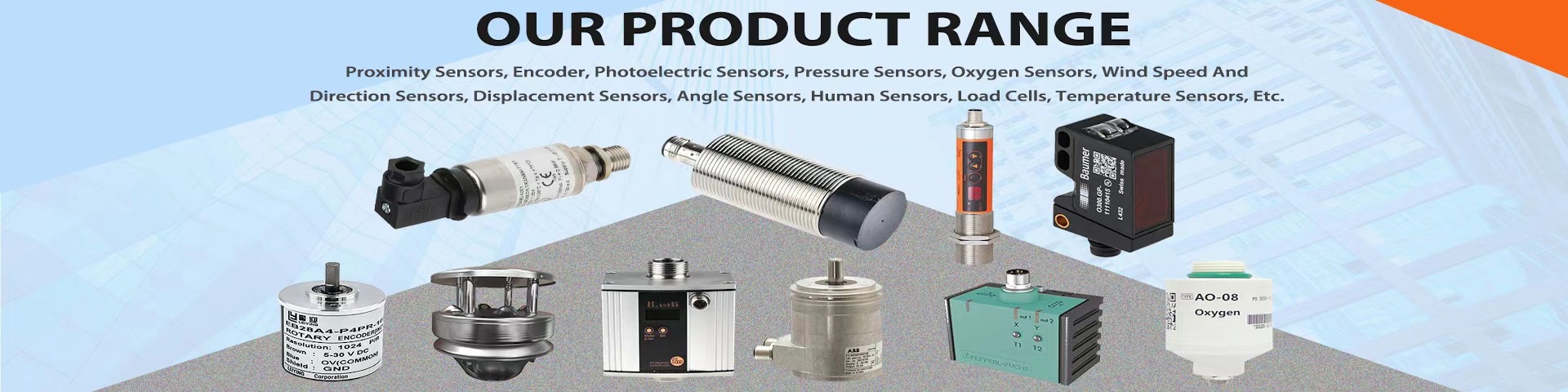

Как датчики обнаружения объектов меняют нашу повседневную жизнь
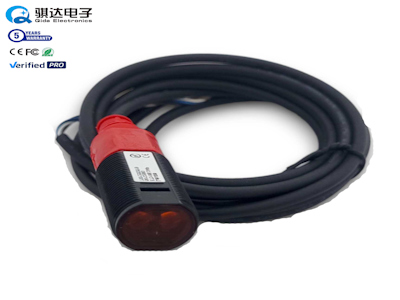
В современном мире технологии стремительно развиваются, и одним из ключевых драйверов этого прогресса являются датчики обнаружения объектов. Эти устройства, часто незаметные для глаза, кардинально меняют то, как мы живем, работаем и взаимодействуем с окружающей средой. От умных домов до промышленных автоматизаций, датчики стали неотъемлемой частью нашей повседневности, предлагая удобство, безопасность и эффективность. В этой статье мы глубоко погрузимся в то, как эти технологии трансформируют нашу жизнь, рассмотрим их историю, принципы работы, применения и будущие перспективы.
Введение в датчики обнаружения объектов
Датчики обнаружения объектов – это устройства, способные обнаруживать присутствие, движение или характеристики объектов в своем окружении. Они используют различные физические принципы, такие как инфракрасное излучение, ультразвук, лазеры или компьютерное зрение, чтобы предоставлять данные в реальном времени. Эти данные затем обрабатываются системами для принятия решений, автоматизации процессов или предупреждения пользователей. Просто представьте: ваш смартфон разблокируется с помощью распознавания лица, или автоматические двери в супермаркете открываются при вашем приближении – все это благодаря датчикам.
История датчиков начинается с простых механических устройств, но с развитием электроники и цифровых технологий они стали более sophisticated. В 1960-х годах появились первые инфракрасные датчики, а к 1980-м годам микропроцессоры позволили создать умные сенсорные системы. Сегодня, с распространением Интернета вещей (IoT), датчики стали interconnected, forming networks that can monitor and control entire environments. Это не просто технический прогресс; это фундаментальный сдвиг в том, как мы воспринимаем и управляем миром.
Почему это так важно? Потому что датчики делают нашу жизнь проще и безопаснее. Они reduce human error, enhance productivity, and open up new possibilities for innovation. Например, в медицинской сфере датчики могут отслеживать жизненные показатели пациентов, alerting doctors to potential issues before they become critical. В быту, они позволяют создавать умные дома, где освещение, отопление и безопасность адаптируются к нашим потребностям автоматически. Это не science fiction; это реальность, которая уже здесь.
Однако, с great power comes great responsibility. Внедрение датчиков поднимает вопросы приватности, безопасности данных и этики. Как мы balance the benefits with potential risks? Это тема для обсуждения в дальнейших разделах. А пока, давайте explore the myriad ways sensors are reshaping our daily routines.
Технологические основы датчиков
Чтобы понять, как датчики работают, нужно delve into their technological underpinnings. Основные типы датчиков включают инфракрасные (IR), ультразвуковые, лазерные, емкостные, и оптические сенсоры. Каждый тип имеет свои преимущества и limitations, making them suitable for different applications.
Infrared sensors, for instance, detect heat or motion by measuring infrared radiation. Они commonly used in security systems and automatic doors. Ультразвуковые датчики emit sound waves beyond human hearing and measure the echo to determine distance or presence – идеально для парковочных ассистентов в автомобилях. Лазерные датчики, такие как LiDAR, provide high-precision measurements for applications like autonomous vehicles and robotics.
С развитием искусственного интеллекта (AI) и машинного обучения, датчики стали еще умнее. Они can learn from data, improve accuracy over time, and make predictive analyses. Например, in smart cities, sensors monitor traffic flow and adjust signals to reduce congestion, learning patterns from historical data. This fusion of hardware and software is what makes modern sensors so powerful.
Moreover, the miniaturization of components has led to smaller, more affordable sensors. This democratization of technology means that even individuals can incorporate sensors into their daily lives through devices like fitness trackers or home automation kits. The cost-effectiveness has accelerated adoption across various sectors, from agriculture to healthcare.
Но technology is not without challenges. Issues like power consumption, interference, and calibration need to be addressed. For example, wireless sensors in IoT networks must be energy-efficient to prolong battery life, and they must handle noisy environments where signals might be disrupted. Ongoing research focuses on improving these aspects, with advancements in materials science and algorithms.
In essence, the technological foundation of sensors is a blend of physics, electronics, and computing. As we continue to innovate, we can expect even more sophisticated sensors that are faster, more accurate, and integrated into every facet of life. This sets the stage for exploring their practical applications in the next section.
Применение в умных домах
Умные дома – perhaps the most visible example of how object detection sensors are changing daily life. These systems use a variety of sensors to automate and enhance living spaces, making them more comfortable, efficient, and secure.
Consider motion sensors: они can detect when someone enters a room and automatically turn on lights, reducing energy waste. Temperature and humidity sensors adjust HVAC systems to maintain optimal conditions, saving on utility bills while ensuring comfort. Security-wise, cameras with object detection can identify intruders and send alerts to homeowners' phones, providing peace of mind even when away from home.
Voice assistants like Amazon Alexa or Google Home integrate with these sensors, allowing voice control over devices. For instance, you can say, "Alexa, lock the doors," and sensors ensure it's done. This seamless interaction is powered by advanced algorithms that process sensor data in real-time.
Another application is in kitchen appliances. Smart refrigerators with sensors can monitor food inventory, suggest recipes based on what's inside, and even order groceries when supplies run low. This not only saves time but reduces food waste by reminding users of expiration dates.
For elderly or disabled individuals, sensors offer life-changing benefits. Fall detection sensors can alert caregivers if someone falls, enabling quick response. Environmental sensors monitor air quality and detect hazards like smoke or gas leaks, automatically triggering alarms or ventilation systems.
The integration doesn't stop at individual homes; whole neighborhoods are becoming smarter. Community sensors manage waste collection by monitoring bin levels, optimizing routes for garbage trucks. This collective intelligence leads to more sustainable urban living.
However, challenges such as interoperability between different brands and privacy concerns remain. Users must trust that their data is secure and not misused. Companies are addressing this with encryption and transparent policies, but it's an ongoing dialogue.
Overall, smart homes demonstrate how sensors are making daily life more convenient and responsive. As technology advances, we can expect even deeper integration, perhaps with predictive maintenance where sensors anticipate device failures before they happen.
Роль в безопасности и наблюдении
Безопасность – одна из ключевых областей, где датчики обнаружения объектов оказывают profound impact. From personal safety to public security, these technologies provide layers of protection that were once unimaginable.
In homes and businesses, intrusion detection systems use motion sensors, door/window sensors, and cameras to prevent unauthorized access. Advanced systems employ AI to distinguish between humans, animals, and false alarms, reducing nuisance alerts. For example, a smart camera can recognize a family member versus a stranger and only notify if necessary.
On a larger scale, cities deploy sensors for surveillance and traffic management. License plate recognition sensors help law enforcement track stolen vehicles, while crowd monitoring sensors in public spaces can detect unusual behavior and prevent incidents like stampedes or terrorist attacks. This proactive approach enhances public safety without constant human oversight.
In transportation, sensors are vital for road safety. Automotive sensors include radar and cameras for adaptive cruise control, lane departure warnings, and automatic emergency braking. These features reduce accidents by responding faster than human drivers. For instance, Tesla's Autopilot relies heavily on sensors to navigate and avoid obstacles.
Workplace safety also benefits. In factories, sensors detect hazardous conditions like gas leaks or machinery malfunctions, shutting down equipment before accidents occur. Wearable sensors for workers monitor vital signs and environmental exposures, alerting to health risks in real-time.
Cybersecurity is another aspect; sensors in networks can detect anomalous activities that indicate breaches, allowing for swift responses. This holistic approach to security—physical and digital—showcases the versatility of sensor technology.
Yet, there are ethical considerations. Mass surveillance raises privacy issues, and there's a risk of data abuse. Regulations like GDPR in Europe aim to protect individuals, but balancing security with privacy is an ongoing challenge. Public discourse is essential to ensure that sensor deployments are ethical and transparent.
In summary, sensors are revolutionizing security by making it more intelligent and preventive. As algorithms improve, we'll see even more accurate threat detection, potentially saving lives and resources.
Влияние на healthcare и wellness
Здравоохранение – another domain where object detection sensors are making significant strides, improving patient care, monitoring, and overall wellness.
Medical devices equipped with sensors can continuously monitor vital signs such as heart rate, blood pressure, and glucose levels. For diabetics, continuous glucose monitors (CGMs) use sensors to track blood sugar and alert users to dangerous levels, reducing the need for frequent finger pricks. This real-time data allows for better disease management and prevents complications.
In hospitals, sensors are used for patient tracking and equipment management. RFID tags on patients and assets help staff locate them quickly, improving efficiency. Environmental sensors monitor sterile conditions in operating rooms, ensuring compliance with health standards.
Telemedicine has been boosted by sensors; wearable devices transmit health data to doctors remotely, enabling virtual consultations and early intervention. During the COVID-19 pandemic, temperature sensors at entrances helped screen for fevers, mitigating spread.
Rehabilitation and physiotherapy benefit from motion sensors that track movements and provide feedback to patients and therapists. For example, sensors in smart garments can correct posture or monitor recovery progress after surgery.
Mental health is also addressed; sensors in devices like smartwatches can detect stress levels through heart rate variability and suggest mindfulness exercises. This holistic approach to wellness integrates physical and mental health monitoring.
Research and development in medical sensors are advancing rapidly. Nanosensors could soon detect diseases at the molecular level, enabling early diagnosis of conditions like cancer. Implantable sensors might continuously monitor internal organs and wirelessly report data.
Challenges include ensuring accuracy and reliability, as false readings could have serious consequences. Data security is paramount, as health information is highly sensitive. Regulatory bodies like the FDA oversee sensor-based medical devices to ensure safety and efficacy.
Overall, sensors are democratizing healthcare by making it more accessible and personalized. They empower individuals to take charge of their health and provide clinicians with valuable insights for better treatment outcomes.
Трансформация транспорта и логистики
Транспорт и логистика – industries that have been radically transformed by object detection sensors, leading to increased efficiency, safety, and sustainability.
In automotive, sensors are the backbone of advanced driver-assistance systems (ADAS) and autonomous vehicles. LiDAR, radar, and cameras work together to perceive the environment, detect obstacles, and navigate roads. This reduces human error, which is a leading cause of accidents. Companies like Waymo and Uber are testing self-driving cars that rely entirely on sensor arrays.
Public transportation benefits too; sensors in buses and trains monitor passenger counts, optimizing routes and schedules. Smart traffic lights use sensors to adapt to real-time traffic conditions, reducing congestion and emissions. This not only saves time but also contributes to environmental goals.
Logistics and supply chain management have seen huge improvements. Sensors on shipping containers track location, temperature, and humidity, ensuring goods like pharmaceuticals or food are transported in optimal conditions. RFID and GPS sensors enable real-time tracking, reducing losses and improving delivery accuracy.
Warehouses are becoming automated with sensors guiding robots to pick and pack items. Amazon's fulfillment centers, for example, use thousands of sensors to streamline operations, cutting down on labor costs and errors. Drones equipped with sensors are used for inventory checks and deliveries in hard-to-reach areas.
Aviation and maritime industries also leverage sensors for navigation and safety. Aircraft use sensors for weather detection and collision avoidance, while ships employ them for monitoring cargo and navigating treacherous waters.
The environmental impact is positive; optimized routes and reduced idle times lower fuel consumption and carbon footprints. Electric vehicles with sensor-based efficiency features further promote sustainability.
However, challenges include the high cost of sensor technology and the need for robust infrastructure, such as 5G networks, to handle data transmission. Cybersecurity is critical, as hacked sensors in vehicles or logistics systems could cause disasters.
In conclusion, sensors are driving a revolution in transportation and logistics, making them smarter, safer, and greener. As adoption grows, we can expect even more integrated systems that seamlessly connect different modes of transport.
Воздействие на retail и потребительский опыт
Розничная торговля – sector where object detection sensors are enhancing the consumer experience, streamlining operations, and driving sales.
In stores, sensors are used for inventory management. Smart shelves with weight or RFID sensors detect when products are running low and automatically reorder stock, preventing out-of-stock situations. This improves efficiency and ensures customers find what they need.
Customer behavior analysis is another key application. Cameras and sensors track foot traffic, heat maps show popular areas, and this data helps retailers optimize store layouts and product placements. For instance, if sensors indicate that customers spend more time in a certain aisle, retailers can place high-margin items there.
Checkout processes have been revolutionized. Amazon Go stores use a combination of cameras, weight sensors, and AI to allow customers to grab items and walk out without scanning; the system automatically charges their accounts. This reduces wait times and enhances convenience.
Personalization is achieved through sensors. Beacons or Bluetooth sensors detect when a loyal customer enters the store and send personalized offers to their phones based on past purchases. This targeted marketing increases engagement and sales.
Online retail integrates with physical sensors too. For example, augmented reality (AR) apps use phone sensors to let customers visualize how furniture would look in their home before buying. This bridges the gap between online and offline shopping.
Security in retail is bolstered by sensors that detect shoplifting. EAS (Electronic Article Surveillance) tags trigger alarms if not deactivated, while video analytics identify suspicious behavior.
Challenges include privacy concerns, as customers might feel uncomfortable being tracked. Transparency and opt-in policies are important to maintain trust. Additionally, the cost of deploying sensor systems can be high for small retailers.
Overall, sensors are making retail more responsive and customer-centric. They enable a seamless omni-channel experience where online and physical stores work together harmoniously.
Будущие тенденции и инновации
Будущее датчиков обнаружения объектов promises even more groundbreaking changes, driven by advancements in AI, nanotechnology, and connectivity.
One major trend is the proliferation of IoT, where billions of sensors will be interconnected, creating smart environments on a global scale. Smart cities will use sensors to manage everything from energy grids to waste systems, improving urban living standards. For example, sensors could monitor air quality in real-time and automatically adjust pollution controls.
AI and machine learning will make sensors smarter and more autonomous. They will not only detect objects but also predict events based on patterns. In healthcare, predictive sensors could forecast disease outbreaks or individual health crises before they occur.
Nanotechnology will lead to smaller, more powerful sensors that can be embedded in everyday objects or even the human body. Imagine sensors that monitor your health from inside your bloodstream or environmental sensors that are as small as dust particles, dispersed to monitor ecosystems.
Energy harvesting innovations will address power challenges; sensors that generate energy from ambient sources like light or motion will become more common, eliminating the need for batteries and making deployments more sustainable.
In transportation, the shift towards fully autonomous vehicles will rely on advanced sensor fusion, combining data from multiple sensors for flawless navigation. This could reduce traffic accidents to near zero and transform urban mobility.
Ethical and regulatory frameworks will evolve to keep pace with technology. Issues like data ownership, privacy, and algorithmic bias will be hot topics, requiring international cooperation to establish standards.
Moreover, sensors will play a key role in addressing global challenges such as climate change. Networks of sensors could monitor deforestation, ocean health, or carbon levels, providing data for informed policy decisions.
The potential is limitless, but it comes with responsibilities. Society must ensure that these technologies are developed and used for the benefit of all, avoiding divides where only the wealthy have access to advanced sensor-based solutions.
In summary, the future of object detection sensors is bright and full of possibilities. They will continue to integrate deeper into our lives, making the world more intelligent, responsive, and connected.
Заключение: Embracing the Sensor Revolution
В заключение, датчики обнаружения объектов fundamentally alter our daily existence by embedding intelligence into the fabric of our environment. From enhancing home comfort and security to revolutionizing healthcare, transportation, and retail, these technologies offer unparalleled benefits in convenience, efficiency, and safety.
We have explored how sensors work, their applications across various sectors, and the exciting future ahead. While challenges like privacy and cost persist, ongoing innovations and ethical considerations are addressing these issues.
As individuals and societies, embracing this sensor revolution means adapting to a more automated and data-driven world. It encourages us to think critically about how we use technology and ensure it serves humanity positively.
The key takeaway is that sensors are not just tools; they are enablers of a smarter, more connected future. By leveraging their potential, we can solve complex problems, improve quality of life, and create a sustainable world for generations to come.
So, next time you walk through an automatic door or check your health on a wearable, remember the tiny sensors working behind the scenes – they are indeed changing our everyday life in profound ways.
Предыдущая статья: Позиционные переключатели: почему они незаменимы в автоматизации
Следующий пост: Какие технологии обеспечивают точность при контроле блестящих покрытий