

Откройте мир скоростных фотоэлектрических выключателей мгновенная реакция без задержек
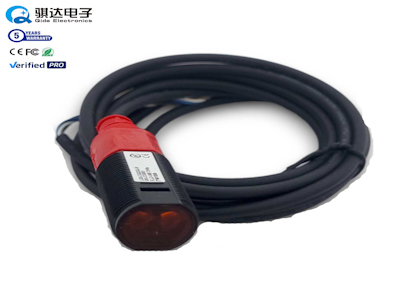
В современном мире автоматизации и высоких технологий эффективность и безопасность становятся ключевыми приоритетами в различных отраслях, от промышленного производства до бытового использования. Одним из инновационных устройств, которое революционизирует подход к управлению процессами, является скоростной фотоэлектрический выключатель. Эти устройства, обладающие мгновенной реакцией без каких-либо задержек, предлагают unparalleled преимущества в terms of speed, reliability, and precision. В этой статье мы подробно обсудим, как фотоэлектрические выключатели работают, их applications, advantages, and why they are essential for the future of automation. We will explore their technical aspects, compare them with traditional switches, and highlight real-world examples to demonstrate their impact. By the end, readers will have a comprehensive understanding of why investing in such technology is not just a choice but a necessity for staying competitive in today's fast-paced environment.
Что такое фотоэлектрический выключатель?
Фотоэлектрический выключатель, often referred to as a photoelectric sensor or light curtain, is a device that uses light beams to detect the presence or absence of an object. It consists of a transmitter that emits a light beam, typically infrared or visible light, and a receiver that detects the beam. When an object interrupts the beam, the switch triggers a response, such as stopping a machine or activating an alarm. The key feature of high-speed versions is their ability to react almost instantaneously, with response times measured in milliseconds or even microseconds. This eliminates delays that can lead to accidents, inefficiencies, or product defects in industrial settings. The technology behind these switches is based on optoelectronics, leveraging the properties of light to provide non-contact detection, which is crucial in environments where physical contact could cause damage or contamination.
Принцип работы и технические детали
The operation of a high-speed photoelectric switch begins with the emission of a light beam from the transmitter. This beam is modulated or pulsed to enhance detection accuracy and avoid interference from ambient light. The receiver is tuned to recognize this specific modulation, ensuring that only the intended signal is processed. When the beam is uninterrupted, the switch remains in a default state, but upon interruption, it sends an electrical signal to a control system. The speed of reaction is determined by the electronics involved; modern switches use advanced microprocessors and high-speed circuits to achieve response times as low as 0.1 milliseconds. This is significantly faster than mechanical switches, which can have response times of several milliseconds due to physical movement. Additionally, photoelectric switches are immune to wear and tear since there are no moving parts, leading to longer lifespan and reduced maintenance costs. They can operate in various environments, including harsh conditions with dust, moisture, or extreme temperatures, thanks to robust housing and sealed designs.
Преимущества мгновенной реакции
The most significant advantage of high-speed photoelectric switches is their instantaneous reaction, which translates to enhanced safety and efficiency. In industrial automation, for instance, on production lines, even a slight delay in detecting an object can result in machinery collisions, product damage, or worker injuries. With response times devoid of delays, these switches ensure that machines stop or change operation the moment an obstruction is detected, preventing accidents and minimizing downtime. This is particularly critical in high-speed applications like packaging, automotive assembly, or robotics, where processes occur at rapid paces. Moreover, the lack of physical contact means no friction or mechanical failure, reducing the need for frequent replacements and lowering overall operational costs. From a safety perspective, photoelectric switches are often used in light curtains for machine guarding, providing a non-intrusive barrier that halts equipment if a person enters a hazardous zone. This not only complies with safety regulations but also fosters a safer working environment, boosting morale and productivity.
Применения в различных отраслях
High-speed photoelectric switches find applications across a wide range of industries due to their versatility and reliability. In manufacturing, they are used for object detection, counting, and positioning on conveyor belts, ensuring precise handling of materials. In the automotive sector, they play a vital role in assembly lines for part verification and robot guidance, where speed and accuracy are paramount. The food and beverage industry benefits from their hygienic non-contact nature, preventing contamination in processing plants. In logistics and warehousing, these switches facilitate automated sorting and inventory management, improving throughput and reducing errors. Beyond industry, they are employed in security systems for intrusion detection, in medical devices for patient monitoring, and even in consumer electronics for touchless interfaces. The adaptability of photoelectric technology means it can be customized for specific needs, such as long-range detection or high ambient light immunity, making it a go-to solution for modern automation challenges.
Сравнение с традиционными выключателями
When compared to traditional mechanical switches or even other types of sensors like inductive or capacitive ones, high-speed photoelectric switches offer distinct advantages. Mechanical switches, while simple and inexpensive, are prone to wear, require physical contact, and have slower response times due to mechanical inertia. This can lead to reliability issues and increased maintenance in high-cycle applications. Inductive sensors, which detect metal objects, are limited to metallic environments and may not work with non-metallic materials. Capacitive sensors can detect various materials but are sensitive to environmental factors like humidity and may have slower response times. Photoelectric switches, on the other hand, provide non-contact detection for almost any material, fast response, and high accuracy. They are also more versatile in terms of installation and configuration, with options for through-beam, retroreflective, or diffuse sensing modes. However, they may be affected by very dirty or foggy environments, but advancements in technology have mitigated these issues with features like background suppression and enhanced algorithms.
Будущее фотоэлектрических технологий
The future of high-speed photoelectric switches looks promising, with ongoing innovations aimed at improving performance and integration. Trends include the development of smarter sensors with IoT capabilities, allowing for real-time data monitoring and predictive maintenance through cloud connectivity. This enables operators to track sensor health, optimize processes, and reduce unplanned downtime. Additionally, miniaturization is making these switches more compact and energy-efficient, suitable for portable devices and space-constrained applications. The integration of artificial intelligence and machine learning could further enhance detection accuracy by adapting to changing environments and identifying complex patterns. As industries move towards Industry 4.0 and full automation, the demand for reliable, high-speed sensing will only grow, positioning photoelectric switches as a cornerstone technology. Investing in such devices now not only addresses current needs but also future-proofs operations against evolving challenges.
Заключение
В заключение, скоростные фотоэлектрические выключатели с мгновенной реакцией представляют собой transformative технологию, которая коренным образом улучшает безопасность, эффективность и надежность в многочисленных приложениях. Их способность реагировать без задержек делает их indispensable в современных automated системах, от промышленного production до everyday uses. By understanding their workings, benefits, and applications, businesses and individuals can make informed decisions to adopt this technology, leading to reduced costs, enhanced safety, and increased competitiveness. As we continue to advance into an era of smart automation, embracing innovations like high-speed photoelectric switches is not just an option—it is a strategic imperative for success. We encourage readers to explore these devices further and consider their integration into their operations for a safer and more efficient future.
Предыдущая статья: Что такое состояние системы и как его отслеживать
Следующий пост: Расстояние моделирования вывода изменит вашу реальность навсегда