
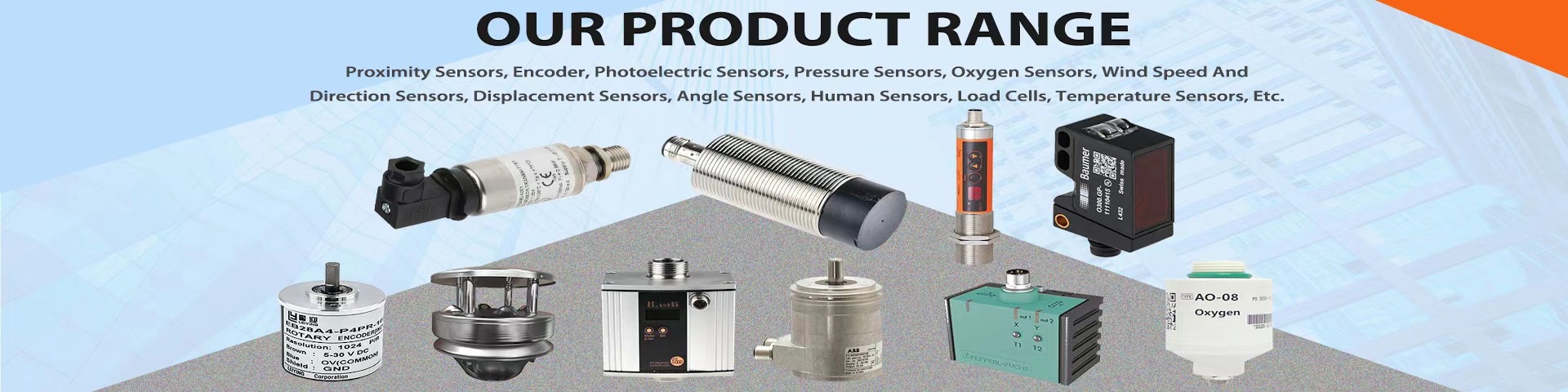

Новейшие сенсоры игнорируют все помехи для идеальной работы
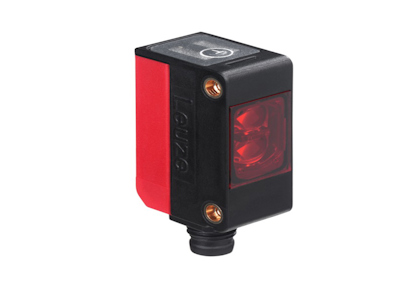
В современном мире, где технологии стремительно развиваются, сенсоры играют ключевую роль в автоматизации, IoT (Интернете вещей) и множестве других областей. Однако традиционные датчики часто сталкиваются с проблемами помех, которые могут нарушить их работу и привести к ошибкам. Но что, если бы существовали сенсоры, способные игнорировать все помехи, обеспечивая безупречную производительность? В этой статье мы погрузимся в мир новейших сенсоров, которые делают именно это — работают идеально, несмотря на любые внешние воздействия. Мы рассмотрим их принципы работы, технологии, лежащие в основе, и реальные применения, которые уже меняют индустрии.
Введение: Почему помехи — это проблема для традиционных сенсоров
Традиционные сенсоры, такие как температурные датчики, датчики движения или световые сенсоры, часто подвержены влиянию внешних факторов. Например, электромагнитные помехи (EMI) от других устройств могут искажать сигналы, приводя к неточным измерениям. Шум окружающей среды, вибрации, изменения температуры или влажности — все это может негативно сказаться на работе сенсора. В критических приложениях, таких как медицинское оборудование, автономные транспортные средства или промышленная автоматизация, такие ошибки могут иметь серьезные последствия, включая сбои в системе, безопасность или даже угрозу жизни.
Исторически, инженеры пытались бороться с помехами с помощью экранирования, фильтрации сигналов или использования более robust-ных компонентов. Но эти методы часто увеличивают стоимость, сложность и размер устройств. Новейшие сенсоры представляют собой прорыв, поскольку они встроенно игнорируют помехи, используя передовые алгоритмы и материалы. Это не просто улучшение — это революция, которая открывает двери для более надежных и эффективных систем.
Принципы работы: Как сенсоры игнорируют помехи
Основой новейших сенсоров является комбинация аппаратных и программных инноваций. Давайте разберем ключевые принципы:
- Адаптивная фильтрация: Эти сенсоры используют алгоритмы машинного обучения и искусственного интеллекта (ИИ) для анализа входящих сигналов в реальном времени. Они могут отличать полезные данные от шума и автоматически настраивать параметры фильтрации. Например, в акустических сенсорах, ИИ-модели обучены распознавать patterns помех и игнорировать их, фокусируясь только на relevant сигналах.
- Материалы с повышенной устойчивостью: Разработаны новые композитные материалы и наноструктуры, которые менее восприимчивы к внешним воздействиям. Например, графеновые сенсоры демонстрируют исключительную стабильность при изменении температуры или electromagnetic interference.
- Многоканальное sensing: Многие современные сенсоры используют multiple sensors или arrays для cross-verification данных. Если один канал подвергается помехе, другие могут компенсировать это, обеспечивая точность.
- Редундантность и самокоррекция: Встроенные механизмы проверки ошибок и коррекции позволяют сенсорам automatically recalibrate themselves при обнаружении аномалий.
Эти принципы работают синергетически, создавая системы, которые практически immune к помехам. В следующих разделах мы углубимся в конкретные технологии и примеры.
Технологии behind the scenes: От ИИ до квантовых сенсоров
Новейшие сенсоры leverage cutting-edge technologies from various fields. Here are some highlights:
- Искусственный интеллект и машинное обучение: AI algorithms, such as neural networks, are trained on vast datasets of sensor readings with and without noise. This enables them to predict and cancel out interference in real-time. For instance, in automotive LiDAR sensors, AI can distinguish between rain droplets and actual obstacles, ensuring safe autonomous driving.
- Квантовые сенсоры: Quantum sensors利用 quantum properties like superposition and entanglement to achieve ultra-high precision. They are inherently less susceptible to classical noise because they operate at quantum levels where interference has different effects. Applications include medical imaging and navigation systems.
- IoT и edge computing: With the rise of IoT, sensors are often deployed in edge devices that process data locally. This reduces latency and allows for immediate noise cancellation without relying on cloud connectivity, which itself can introduce delays or errors.
- Биомиметика: Inspired by nature, some sensors mimic biological systems. For example, sensors modeled after insect antennae can detect chemicals with high accuracy despite environmental variations.
These technologies are not just theoretical; they are already being implemented in products from companies like Siemens, Bosch, and startups focused on sensor innovation.
Реальные применения: Где эти сенсоры уже меняют мир
The impact of interference-ignoring sensors is profound across multiple industries. Let's explore some key areas:
- Медицина и здравоохранение: In medical devices, such as ECG monitors or glucose sensors, accuracy is critical. New sensors can ignore electromagnetic interference from other hospital equipment, providing reliable data for doctors. This improves patient outcomes and reduces false alarms.
- Автомобильная промышленность: Autonomous vehicles rely on sensors for perception. LiDAR, radar, and camera sensors with advanced noise cancellation can handle adverse weather conditions, like fog or rain, ensuring safe navigation. Companies like Tesla and Waymo are integrating these technologies.
- Промышленная автоматизация: In factories, sensors monitor machinery health. Vibration sensors that ignore background noise can predict failures early, preventing downtime and saving costs. This is part of the Industry 4.0 revolution.
- Умные города и IoT: Environmental sensors in smart cities measure air quality, traffic, and noise levels. By ignoring interference, they provide accurate data for urban planning and public health initiatives.
- Космос и defense: In space missions or military applications, sensors must operate in extreme conditions. New sensors are designed to withstand radiation, temperature swings, and other interferences, ensuring mission success.
Case studies abound. For example, a recent deployment in a smart grid uses sensors that ignore power line noise to monitor electricity flow accurately, reducing energy waste.
Преимущества и вызовы
While the benefits are clear, there are challenges to widespread adoption:
- Преимущества: Increased reliability, reduced maintenance costs, enhanced safety, and better data quality. These sensors enable more autonomous and efficient systems, driving innovation.
- Вызовы: High initial costs, complexity in integration, and the need for specialized knowledge. Additionally, ensuring security against cyber threats is crucial, as these sensors often connect to networks.
Despite challenges, the trend is toward more affordable and accessible solutions as technology matures.
Будущее сенсоров: Что нас ждет впереди
The future of sensors is bright. We can expect further advancements in AI integration, miniaturization, and energy efficiency. Quantum sensors might become commonplace, and bio-inspired designs could lead to even more robust systems. As 5G and beyond enable faster communication, sensors will become even more integral to our daily lives.
In conclusion, новейшие сенсоры, игнорирующие помехи, represent a leap forward in technology. Они not only solve old problems but open new possibilities for innovation. Whether in healthcare, transportation, or industry, these sensors are paving the way for a more connected and reliable world.
Эта статья лишь scratches the surface. For those interested, diving deeper into specific technologies or applications can reveal even more exciting developments. Stay tuned for more updates on how sensors continue to evolve and ignore all interference for perfect performance.
Предыдущая статья: Умная диагностика решает проблемы до их появления
Следующий пост: Сенсоры с самодиагностикой революция в технологиях безопасности