
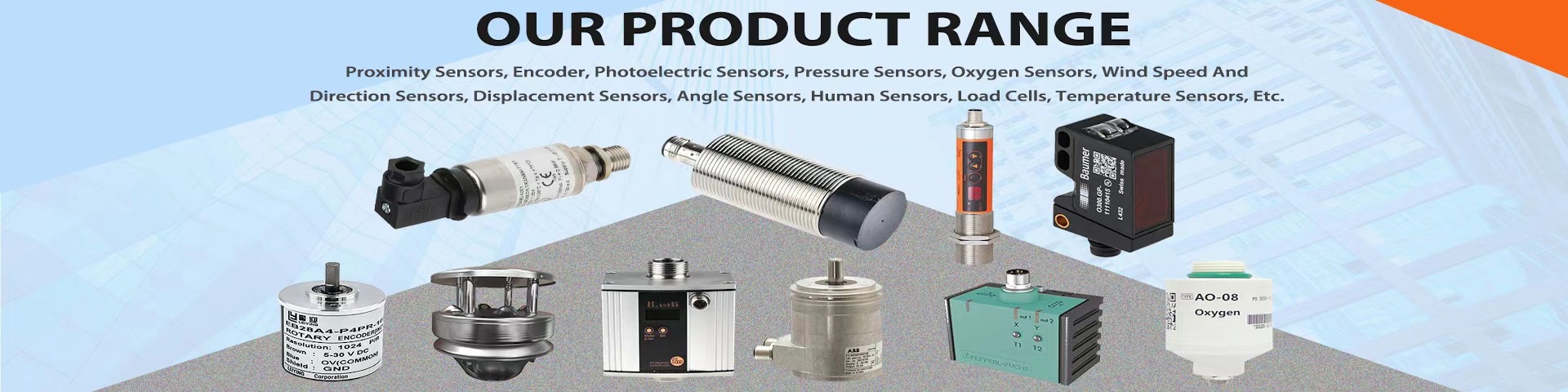

Как функция задержки в датчиках меняет нашу повседневную жизнь
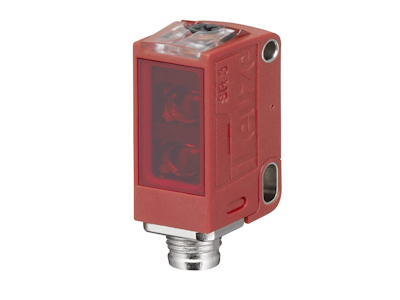
В современном мире технологии становятся неотъемлемой частью нашей повседневности, и одной из ключевых инноваций, которая незаметно, но кардинально меняет нашу жизнь, является функция задержки в датчиках. Эта простая, на первый взгляд, особенность позволяет устройствам автоматически реагировать на изменения в окружающей среде с запрограммированной паузой, что открывает новые горизонты для удобства, безопасности и эффективности. В этой статье мы глубоко погрузимся в то, как функция задержки работает в различных типах датчиков, её применение в бытовых и промышленных сферах, а также как она влияет на наше ежедневное существование, делая его более комфортным и предсказуемым.
Что такое функция задержки в датчиках?
Функция задержки, или временная задержка, в датчиках — это технологическая особенность, которая позволяет устройству откладывать реакцию на обнаруженное событие на определённый промежуток времени. Например, датчик движения может быть настроен так, чтобы включать свет не мгновенно, а через несколько секунд после того, как движение прекратилось, что предотвращает ненужные срабатывания и экономит энергию. Эта функция реализуется через микроконтроллеры или программное обеспечение, интегрированное в датчик, и может быть гибко настроена под конкретные нужды. В основе лежат простые принципы: датчик непрерывно мониторит параметры, такие как движение, температура или свет, и при обнаружении изменения запускает таймер. Если изменение persists в течение заданного времени, устройство активирует ответное действие, такое как включение прибора или отправка уведомления. Это не только повышает точность работы, но и снижает вероятность ложных срабатываний, которые часто раздражают пользователей. В повседневной жизни мы сталкиваемся с этим повсеместно — от умных домов до автомобилей, и именно эта незаметная задержка делает технологии более человекоориентированными.
Типы датчиков с функцией задержки и их применение
Разнообразие датчиков с функцией задержки огромно, и каждый тип находит своё уникальное применение в нашей жизни. Начнём с датчиков движения, которые, пожалуй, самые распространённые. В умных домах они используются для автоматического включения света: задержка позволяет избежать constant switching при кратковременных движениях, например, когда кто-то просто проходит мимо. Это не только экономит электроэнергию, но и продлевает срок службы ламп. В системах безопасности датчики движения с задержкой могут активировать сигнализацию только после подтверждения угрозы, снижая ложные тревоги. Далее, датчики температуры и влажности с задержкой применяются в климат-контроле: они медленно ajustují отопление или кондиционирование, предотвращая резкие перепады и обеспечивая комфортный микроклимат. Например, умный термостат может ждать несколько минут перед изменением температуры, учитывая инерцию системы. В automotive сфере датчики парковки с задержкой помогают водителям маневрировать, подавая сигналы только при устойчивом приближении к препятствию. Сенсорные датчики в бытовой технике, такие как в микроволновых печах или стиральных машинах, используют задержку для безопасного запуска после касания, избегая случайных активаций. Даже в медицинских устройствах, like glucose monitors, задержка ensures accurate readings by averaging data over time. Каждый из этих примеров показывает, как функция задержки делает взаимодействие с технологиями плавным и надёжным.
Влияние на удобство и комфорт в повседневной жизни
Функция задержки в датчиках кардинально улучшает удобство нашей повседневной жизни, делая рутинные задачи автоматическими и менее напряжёнными. Представьте себе утро: вы просыпаетесь, и датчик движения в умной лампе с задержкой плавно включает свет, давая глазам время адаптироваться, вместо резкого ослепления. Это small но значимое улучшение снижает стресс и начинает день на позитивной ноте. В ванной комнате датчик крана с задержкой позволяет воде течь несколько секунд после того, как вы убрали руки, ensuring complete rinsing without constant manipulation. В кухне умная духовка с датчиком температуры может hold heating after reaching set point, preventing overcooking and saving food quality. For families with children, sensors in baby monitors use delay to filter out brief noises, alerting parents only to sustained cries, which means more rest and less anxiety. Even in entertainment, smart TVs with motion sensors delay screen dimming when no movement is detected, avoiding interruptions during movie pauses. On a broader scale, in public spaces like airports or malls, sensors with delay manage lighting and HVAC systems efficiently, creating comfortable environments without human intervention. This seamless integration of technology through delay functions not only saves time but also enhances our overall quality of life by reducing cognitive load—we can focus on what matters, while devices handle the details.
Повышение безопасности через умную задержку
Безопасность — ещё одна critical область, где функция задержки в датчиках plays a vital роль. In home security systems, motion sensors with delay prevent false alarms from pets or passing cars by only triggering after a confirmed period of activity, which avoids unnecessary police calls and reduces stress. For example, a security camera might record only if motion persists for 10 seconds, filtering out insignificant events. In automotive safety, sensors in adaptive cruise control use delay to maintain safe following distances, gradually adjusting speed rather than jerky reactions, which prevents accidents and improves driver confidence. In industrial settings, sensors on machinery incorporate delay to ensure operators are clear before activation, reducing workplace injuries. Even in fire detection systems, smoke sensors with delay can distinguish between temporary smoke from cooking and real fires, alerting only when danger is confirmed. This not only protects property but saves lives by providing accurate warnings. In personal devices, smartphones use gesture sensors with delay to avoid accidental touches, ensuring that screens don't activate in pockets. The psychological impact is profound: knowing that technology has a built-in 'safety net' through delay functions makes us feel more secure in our daily activities, whether at home, on the road, or at work. It's a subtle yet powerful layer of protection that blends into the background but is always there when needed.
Энергосбережение и экологический аспект
Функция задержки в датчиках также вносит значительный вклад в энергосбережение и экологическую устойчивость, что increasingly important in today's world. By incorporating delay, devices avoid wasteful energy consumption. For instance, in lighting systems, sensors delay turning off lights after no motion is detected, ensuring that rooms aren't left lit unnecessarily but also giving people time to exit without being plunged into darkness. This can reduce electricity usage by up to 30% in commercial buildings, according to studies. In HVAC systems, temperature sensors with delay prevent frequent cycling of heaters or AC units, which not only saves energy but also reduces wear and tear, extending equipment life. In smart grids, sensors monitor demand with delay to smooth out peaks, promoting efficient energy distribution. At home, appliances like refrigerators use delay to compressor cycles, optimizing cooling without constant operation. This collective efficiency translates to lower carbon footprints and cost savings for consumers. Moreover, in renewable energy systems, such as solar panels, sensors with delay help manage battery storage by delaying discharge during low production periods, maximizing utilization. The environmental benefit is clear: by reducing energy waste, delay functions contribute to combating climate change and promoting sustainable living. It's a win-win situation where technology not only makes life easier but also greener, aligning with global efforts towards a more eco-friendly future.
Интеграция с интернетом вещей (IoT) и будущие тенденции
Интеграция функции задержки с интернетом вещей (IoT) открывает новые возможности для преобразования повседневной жизни. IoT devices rely heavily on sensors, and adding delay functions enhances their intelligence and responsiveness. For example, in smart cities, traffic sensors with delay can optimize signal timing based on real-time flow, reducing congestion and emissions. In healthcare, wearable sensors use delay to monitor vital signs over time, providing more accurate health insights and early warnings for conditions like arrhythmias. The future trends point towards even smarter delay adaptations: with AI and machine learning, sensors will be able to dynamically adjust delay times based on context. Imagine a home system that learns your routines and sets delays accordingly—e.g., longer delays at night for quieter operation. Challenges include ensuring privacy and security, as delayed data transmissions might be vulnerable, but advancements in encryption are addressing this. As 5G and edge computing evolve, delay functions will become faster and more precise, enabling real-time applications in autonomous vehicles or remote surgery. The potential is limitless: from agriculture, where soil sensors delay irrigation based on moisture levels, to retail, where inventory sensors optimize restocking. This integration not only makes life more convenient but also drives innovation across industries. In the coming years, we can expect delay functions to become ubiquitous, silently working behind the scenes to create a more connected and efficient world.
Заключение: незаметная революция в нашей жизни
В заключение, функция задержки в датчиках представляет собой незаметную, но profound революцию в нашей повседневной жизни. Through improved convenience, enhanced safety, energy savings, and integration with IoT, it transforms how we interact with technology on a daily basis. From the moment we wake up to when we go to sleep, these small delays make our experiences smoother, safer, and more sustainable. They reduce stress, save money, and protect the environment, all while operating in the background. As technology continues to advance, the role of delay functions will only grow, becoming more adaptive and intelligent. It's a testament to how even the simplest innovations can have a massive impact, reminding us that the future of technology is not just about speed, but about smart timing. Embracing these changes allows us to live more fulfilling lives, where devices serve us seamlessly, and we can focus on what truly matters—human connections and experiences.
Предыдущая статья: Как лазерный дальномер обеспечивает точность измерений на больших расстояниях
Следующий пост: Что такое усилители оптического волокна и как они работают