
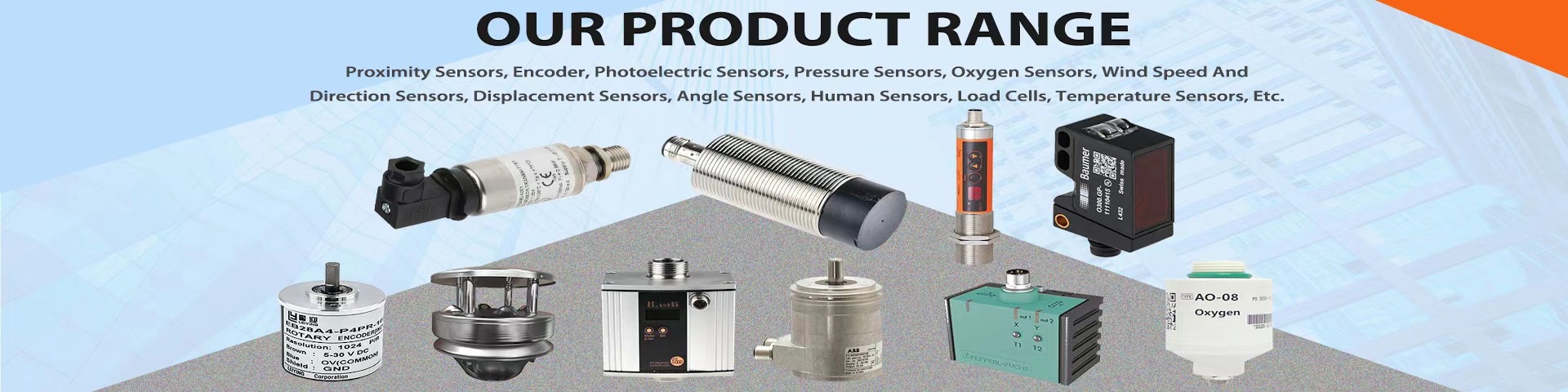

Переключение типов вывода революция в технологиях
В современном мире технологии развиваются с невероятной скоростью, и одним из ключевых аспектов этой эволюции является переключение типов вывода. Эта революция трансформирует то, как мы взаимодействуем с устройствами, обрабатываем информацию и воспринимаем окружающую среду. С появлением искусственного интеллекта (ИИ), машинного обучения и интернета вещей (IoT), способность систем адаптировать свои выходные данные под различные контексты становится критически важной. В этой статье мы глубоко погрузимся в эту тему, исследуя исторические предпосылки, текущие инновации и будущие тенденции, чтобы понять, как переключение типов вывода меняет нашу жизнь.
Введение в переключение типов вывода
Переключение типов вывода относится к способности технологических систем динамически изменять формат или способ представления информации в зависимости от контекста, пользовательских предпочтений или внешних условий. Это может включать переход от текстового вывода к графическому, аудио или даже тактильному, что обеспечивает более персонализированный и эффективный пользовательский опыт. Например, умный помощник может переключаться с голосовых ответов на текстовые сообщения в шумной обстановке, или система навигации может адаптировать свои инструкции для водителей и пешеходов.
Эта концепция не нова, но с развитием вычислительных мощностей и алгоритмов ИИ, она приобрела новое значение. В прошлом, системы были жестко запрограммированы на определенные типы вывода, что ограничивало их гибкость. Сегодня, благодаря машинному обучению, системы могут обучаться на лету и адаптироваться к изменяющимся условиям, делая переключение типов вывода более интеллектуальным и seamless.
Революция в этой области началась с простых адаптаций, таких как изменение разрешения экрана на мобильных устройствах, и выросла до сложных систем, которые могут предсказывать потребности пользователей. Например, в здравоохранении, медицинские устройства теперь могут переключать вывод данных с числовых показателей на визуальные графики для лучшего понимания пациентами. В образовании, учебные платформы адаптируют контент под различные стили обучения, предлагая текстовые, аудио или интерактивные материалы.
Ключевым драйвером этой революции является стремление к улучшению пользовательского опыта. В мире, где внимание становится ценным ресурсом, системы, которые могут эффективно коммуницировать, имеют конкурентное преимущество. Переключение типов вывода позволяет снизить когнитивную нагрузку на пользователей, предоставляя информацию в наиболее удобной форме. Это особенно важно в таких областях, как автономные транспортные средства, где быстрая и ясная коммуникация может спасти жизни.
Кроме того, экологические факторы играют роль. Например, в умных городах, системы управления энергопотреблением могут переключать вывод данных с детальных отчетов для инженеров на упрощенные уведомления для жителей, способствуя устойчивому развитию. Таким образом, переключение типов вывода не только технологический тренд, но и социально-экономический феномен, влияющий на различные аспекты общества.
В следующих разделах мы рассмотрим исторический контекст, текущие применения и будущие направления этой революции, чтобы получить полное представление о ее масштабах и потенциале.
Исторический контекст и эволюция
История переключения типов вывода уходит корнями в ранние дни вычислений, когда системы были ограничены базовыми интерфейсами, такими как командные строки. В 1960-х и 1970-х годах, с появлением графических пользовательских интерфейсов (GUI), начался первый шаг к адаптивности. Например, операционные системы like UNIX allowed users to switch between text and graphical modes, but this was manual and rudimentary.
В 1980-х и 1990-х годах, рост персональных компьютеров и интернета привел к более sophisticated output switching. Веб-браузеры могли отображать текст, изображения, и later multimedia, adapting to bandwidth constraints. Однако, это было largely static; systems didn't automatically switch based on context. The real breakthrough came with the advent of mobile devices in the 2000s, where screen size and input methods forced innovation in adaptive output.
С появлением смартфонов, таких как iPhone, переключение типов вывода стало более prevalent. Например, приложения могли switch between portrait and landscape modes, or adjust font sizes for accessibility. This was driven by hardware sensors and basic software algorithms. The integration of AI in the 2010s, particularly with virtual assistants like Siri and Alexa, marked a turning point. These systems could dynamically switch output types based on voice commands, environment noise, or user history.
Ключевые технологические достижения, такие как natural language processing (NLP) and computer vision, enabled more intelligent switching. For instance, in automotive systems, navigation apps could switch from visual maps to audio instructions when the driver is focused on the road. In healthcare, wearable devices could switch output from numerical data to alerts or recommendations based on real-time health metrics.
Эволюция также была influenced by standards and protocols. The development of APIs and cloud computing allowed systems to seamlessly integrate and switch outputs across platforms. Today, with edge computing and 5G, switching is faster and more reliable, enabling real-time adaptations in critical applications like autonomous driving or remote surgery.
Этот исторический путь показывает, как переключение типов вывода evolved from a niche feature to a core component of modern technology, driven by user needs and technological advancements.
Текущие применения и инновации
В настоящее время, переключение типов вывода широко применяется в различных отраслях, демонстрируя свою универсальность и impact. Рассмотрим некоторые ключевые области.
Искусственный интеллект и машинное обучение
В AI systems, output switching is essential for personalized interactions. Chatbots and virtual assistants use NLP to determine the best output type: text for quick queries, voice for hands-free situations, or rich media for complex explanations. For example, Google Assistant can switch between answering via speaker or smartphone screen based on device context. Machine learning models are trained on vast datasets to predict user preferences, enabling proactive switching. In content recommendation systems, platforms like Netflix switch output from trailers to summaries based on user engagement.
Innovations include multi-modal AI, where systems combine text, image, and audio outputs for enhanced understanding. In healthcare, AI diagnostics can switch from displaying medical images to generating textual reports for doctors, improving decision-making. The use of reinforcement learning allows systems to learn optimal switching strategies over time, reducing errors and improving efficiency.
Интернет вещей (IoT) и умные устройства
In IoT, output switching enables seamless communication between devices. Smart homes can switch notifications from app alerts to voice announcements or LED lights based on urgency. For instance, a security system might switch from a silent alert to a loud alarm if an intrusion is detected. In industrial IoT, sensors switch output from raw data streams to actionable insights on dashboards, helping operators make informed decisions.
Recent innovations involve edge AI, where devices process data locally and switch outputs without cloud dependency, reducing latency. This is crucial in applications like autonomous drones, which switch between visual and sensor data outputs for navigation. Additionally, energy-efficient switching algorithms are being developed to prolong battery life in wearable devices.
Образование и электронное обучение
In education, adaptive learning platforms use output switching to cater to diverse learning styles. Systems like Khan Academy switch between video lectures, interactive quizzes, and text-based content based on student performance and preferences. This personalization enhances engagement and retention. Virtual reality (VR) and augmented reality (AR) are pushing boundaries by switching outputs from 2D screens to immersive 3D environments, making learning more experiential.
Innovations include AI-driven tutors that switch output from explanations to examples or simulations based on student confusion levels. Language learning apps, such as Duolingo, switch between audio, text, and visual cues to reinforce learning. The integration of biometric sensors allows systems to switch outputs if they detect student fatigue, suggesting breaks or alternative activities.
Здравоохранение и медицинские технологии
In healthcare, output switching is life-saving. Medical devices like ECG monitors switch between graphical waveforms and numerical readings for different medical staff. Telemedicine platforms switch outputs from video calls to text chats based on network conditions or patient comfort. AI in diagnostics can switch from displaying radiology images to generating patient-friendly summaries.
Cutting-edge innovations include surgical robots that switch output from visual feedback to haptic feedback for surgeons, enhancing precision. Wearable health monitors switch alerts from vibrations to sounds based on the user's activity, ensuring timely responses. Predictive analytics enable systems to switch outputs to preventive recommendations, such as diet or exercise tips, based on health data trends.
Транспорт и автономные системы
In transportation, output switching is critical for safety and efficiency. Autonomous vehicles switch between visual displays, audio warnings, and tactile feedback (e.g., steering wheel vibrations) to communicate with passengers and other road users. Navigation systems switch from map views to voice guidance in complex traffic situations.
Innovations include V2X (vehicle-to-everything) communication, where cars switch outputs to share data with infrastructure and other vehicles, reducing accidents. In aviation, cockpit systems switch outputs based on pilot workload, providing simplified interfaces during high-stress scenarios. The use of AI allows real-time switching based on environmental factors like weather or road conditions.
Развлечения и медиа
In entertainment, output switching enhances user experience. Streaming services switch video quality based on bandwidth, or offer alternative audio tracks and subtitles. Gaming consoles switch outputs between TV screens and handheld devices for seamless play. Social media platforms switch between feed layouts, stories, and live videos based on user interaction.
Emerging trends include adaptive content where stories switch narratives based on viewer choices, seen in interactive films on platforms like Netflix. AR applications switch between real-world and digital overlays, creating immersive experiences. AI curators switch output recommendations to keep content fresh and engaging.
Будущие тенденции и прогнозы
Будущее переключения типов вывода promises even greater integration and intelligence. Here are some predicted trends.
Расширенный искусственный интеллект
AI will become more context-aware, enabling predictive switching without explicit user input. Systems will anticipate needs based on biometric data, emotional state, or external events. For example, a smart home might switch to calming music and dim lights if it detects stress. In business, AI assistants will switch outputs from reports to visual analytics during meetings.
Advancements in general AI could lead to systems that seamlessly switch between human-like conversations and machine-efficient outputs, blurring the line between human and machine interaction. Ethical considerations will arise, such as ensuring transparency in switching decisions to avoid manipulation.
Квантовые вычисления и высокая производительность
Quantum computing could revolutionize output switching by enabling instantaneous processing of complex data, allowing for real-time adaptations in critical applications like climate modeling or financial trading. High-performance computing will support multi-modal outputs in VR/AR, creating hyper-realistic experiences.
In the near future, we might see output switching integrated into brain-computer interfaces, where thoughts directly control output types, enabling new forms of communication for people with disabilities.
Устойчивость и этика
As technology advances, there will be a focus on sustainable output switching, minimizing energy consumption through efficient algorithms. Ethical guidelines will be developed to govern switching, ensuring privacy and fairness. For instance, systems should not switch outputs in a way that discriminates based on user demographics.
Collaboration between industries will lead to standardized protocols for output switching, facilitating interoperability across devices and platforms. This will be essential for the growth of smart cities and global IoT networks.
Заключение
Переключение типов вывода represents a profound revolution in technology, transforming how we interact with the digital world. From its historical roots to current innovations and future potentials, it enhances efficiency, personalization, and safety across various domains. As AI and other technologies continue to evolve, output switching will become even more intelligent and ubiquitous, shaping a future where technology adapts seamlessly to human needs. Embracing this revolution requires ongoing research, ethical considerations, and user-centric design to maximize its benefits for society.
В целом, эта революция не только about technological advancement but also about creating a more intuitive and inclusive world. By understanding and leveraging output switching, we can build systems that are not only smarter but also more humane and responsive to the complexities of human life.
Предыдущая статья: Нет.
Следующий пост: Как лазерный дальномер обеспечивает точность измерений на больших расстояниях