


Точное позиционирование: современные технологии определения местоположения
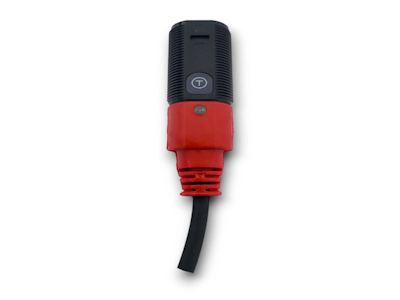
В современном мире, где скорость и точность играют ключевую роль, технологии определения местоположения стали неотъемлемой частью нашей повседневной жизни. От навигации в смартфонах до управления беспилотными летательными аппаратами – точное позиционирование открывает новые горизонты для инноваций. В этой статье мы погрузимся в мир современных технологий, исследуя их принципы работы, применение и будущее развитие. Давайте начнём с основ: что такое геопозиционирование и почему оно так важно?
История и эволюция технологий позиционирования
Технологии определения местоположения имеют богатую историю, уходящую корнями в древние времена. Ещё мореплаватели использовали звёзды для навигации, но настоящий прорыв произошёл в XX веке с развитием спутниковых систем. Первой такой системой стал GPS (Global Positioning System), разработанный США в 1970-х годах. С тех пор точность улучшилась с нескольких метров до сантиметрового уровня благодаря advances in technology. Например, в 2000-х годах внедрение differential GPS и augmentation systems позволило достичь субметровой точности. Сегодня мы видим convergence of multiple technologies, such as GLONASS, Galileo, and BeiDou, creating a global network that ensures reliability and precision. This evolution has been driven by military needs initially, but now it fuels civilian applications like autonomous vehicles and smart cities. The journey from simple celestial navigation to real-time, high-accuracy positioning is a testament to human ingenuity. In the next section, we'll explore the core principles behind these systems.
Основные принципы работы спутникового позиционирования
Спутниковые системы позиционирования, такие как GPS и ГЛОНАСС, основаны на trilateration – методе определения位置 путём измерения расстояний до multiple satellites. Каждый спутник передаёт signals that include its precise location and time. Приёмник на Земле calculates the distance to each satellite based on the time it takes for the signal to travel. With distances to at least four satellites, the receiver can compute its three-dimensional position (latitude, longitude, and altitude) and correct for clock errors. Key components include atomic clocks on satellites for ultra-precise timing and complex algorithms to mitigate errors from atmospheric delays. Modern systems enhance this with real-time kinematics (RTK) and precise point positioning (PPP), achieving centimeter-level accuracy. For instance, RTK uses a fixed base station to provide corrections, reducing errors from ionosphere and troposphere. This principle is universal across systems, but each has unique characteristics: GPS is known for its global coverage, while GLONASS offers better performance at high latitudes. Understanding these basics is crucial for appreciating the advancements we discuss later.
Современные технологии: GPS, ГЛОНАСС и другие системы
Сегодня существует несколько глобальных спутниковых систем навигации. GPS (США) remains the most widely used, with over 30 satellites providing coverage worldwide. Its accuracy has improved from about 15 meters in the 1990s to sub-meter levels with modern receivers. ГЛОНАСС (Россия) is another major player, operational since the 1990s and offering similar capabilities with a focus on robustness in northern regions. Other systems include Galileo (Европейский Союз), which promises higher accuracy and integrity for civilian use, and BeiDou (Китай), which has global coverage since 2020. Additionally, regional systems like QZSS (Япония) and IRNSS (Индия) enhance local precision. These systems often work together in multi-constellation receivers, improving availability and accuracy. For example, a smartphone might use GPS, GLONASS, and Galileo simultaneously to get a faster and more reliable fix. Innovations like satellite-based augmentation systems (SBAS), such as WAAS in the US or EGNOS in Europe, correct errors in real-time, making them essential for aviation and critical applications. The interoperability of these technologies is key to their success, and ongoing upgrades, like GPS III satellites, promise even better performance with anti-jamming capabilities and higher signal power.
Применение в повседневной жизни: от смартфонов до беспилотников
Технологии точного позиционирования проникли во многие аспекты нашей жизни. В смартфонах они enable turn-by-turn navigation, location-based services like Uber or food delivery, and social media check-ins. For instance, apps like Google Maps use a combination of GPS, Wi-Fi, and cellular data to provide accurate directions even indoors. In transportation, autonomous vehicles rely on high-precision GPS for lane-level navigation, reducing accidents and improving efficiency. Drones use RTK-GPS for precise hovering and mapping, enabling applications in agriculture, such as crop monitoring, and in disaster response for search and rescue. In logistics, fleet management systems track vehicles in real-time, optimizing routes and saving fuel. Even in sports, wearables with GPS help athletes monitor their performance and location during training. The Internet of Things (IoT) leverages these technologies for asset tracking, from packages to pets, using low-power wide-area networks (LPWAN) like LoRaWAN. This widespread adoption is driven by affordability and miniaturization of receivers, making high-accuracy positioning accessible to everyone. As we move forward, these applications will only expand, integrating with augmented reality and smart city infrastructure.
Будущее точного позиционирования: инновации и вызовы
Будущее технологий определения местоположения выглядит чрезвычайно promising. Одной из ключевых trends является integration with 5G networks, which can provide centimeter-level accuracy without satellites, using time-of-arrival measurements from cell towers. This will enable ultra-reliable positioning for autonomous cars in urban canyons where GPS signals are weak. Another innovation is the use of quantum sensors for navigation, which could offer unprecedented accuracy by measuring gravitational variations. Additionally, AI and machine learning are being applied to improve positioning algorithms, predicting errors and enhancing robustness. However, challenges remain, such as signal jamming and spoofing, which can disrupt critical systems. Cybersecurity measures are evolving to protect against these threats. Moreover, the expansion of low Earth orbit (LEO) satellite constellations, like Starlink, may revolutionize positioning by providing global, low-latency coverage. In the long term, we might see hybrid systems that combine satellite, terrestrial, and inertial navigation for seamless accuracy anywhere. The potential for new applications is vast, from precision agriculture that uses drones for targeted pesticide application to smart cities that optimize traffic flow based on real-time location data. Embracing these advancements will require continued investment in research and standardization.
В заключение, точное позиционирование – это динамичная область, которая продолжает transform наш мир. От humble beginnings до cutting-edge innovations, оно остаётся cornerstone современной технологии. Whether you're a tech enthusiast or a casual user, understanding these developments can help you appreciate the invisible forces guiding your daily life. Stay tuned for more breakthroughs as we journey into the future of navigation!
Предыдущая статья: Надежные датчики постоянного тока для точного контроля
Следующий пост: Как датчики переменного тока перевернули автоматизацию: вот главные преимущества