
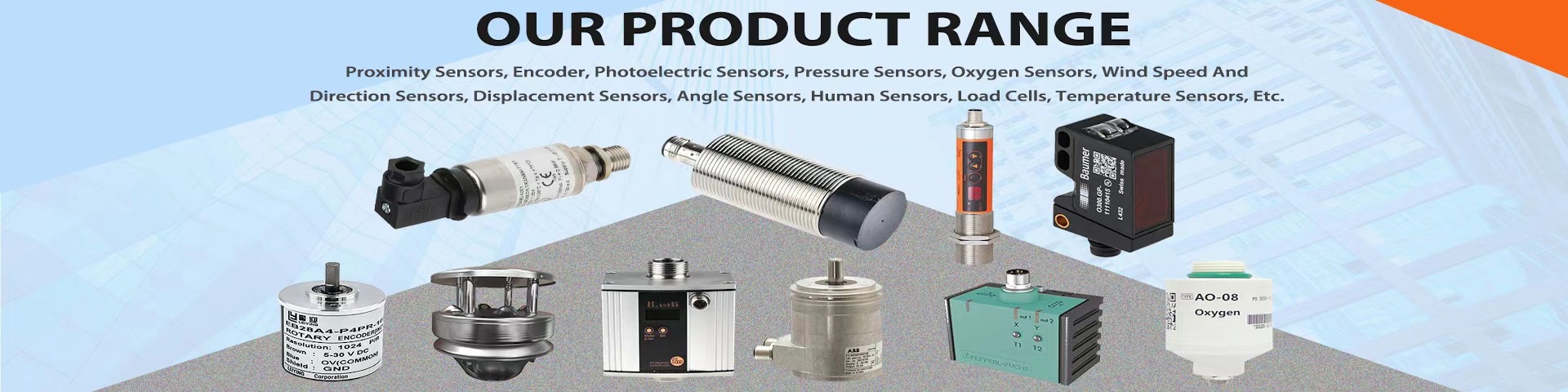

Надежные датчики постоянного тока для точного контроля
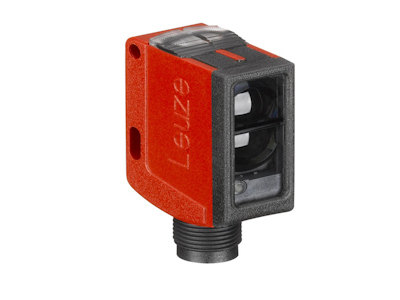
В современном промышленном мире точность и надежность являются ключевыми факторами успеха. Датчики постоянного тока играют crucial роль в обеспечении этих качеств, позволяя осуществлять мониторинг и контроль электрических параметров с высочайшей точностью. В этой статье мы подробно рассмотрим, почему надежные датчики постоянного тока незаменимы для точного контроля, их преимущества, применение в различных отраслях, и как выбрать подходящее решение для ваших нужд.
Что такое датчики постоянного тока?
Датчики постоянного тока — это устройства, предназначенные для измерения силы тока в цепях постоянного тока. Они преобразуют ток в proportional электрический сигнал, который может быть легко обработан системами управления. Основные типы включают датчики на основе эффекта Холла, шунтирующие резисторы, и трансформаторы тока, каждый из которых имеет свои особенности и области применения.
Например, датчики на эффекте Холла обеспечивают высокую точность и изоляцию, что делает их идеальными для применений, где безопасность и точность критичны. Шунтирующие резисторы просты и экономичны, но могут вносить дополнительные потери в цепи. Трансформаторы тока подходят для измерений в высоковольтных системах, но требуют careful calibration.
Преимущества надежных датчиков постоянного тока
Использование надежных датчиков постоянного тока предлагает множество преимуществ. Во-первых, они обеспечивают высокую точность измерений, что необходимо для поддержания стабильности в системах управления. Ошибки в измерении тока могут привести к серьезным последствиям, таким как перегрев оборудования или снижение эффективности процессов.
Во-вторых, эти датчики often имеют высокую надежность и долговечность, что снижает затраты на обслуживание и downtime. В промышленных условиях, где оборудование работает круглосуточно, это особенно важно. Кроме того, modern датчики предлагают features such as температурная компенсация и защита от перегрузок, further enhancing их utility.
Another key advantage is the ability to provide electrical isolation between the measured circuit and the monitoring system. This isolation prevents ground loops and reduces the risk of electrical shocks, making the systems safer for operators and equipment.
Применение в различных отраслях
Датчики постоянного тока находят применение в wide range отраслей. В automotive industry они используются для monitoring battery systems in electric vehicles, ensuring optimal performance and safety. In renewable energy, such as solar and wind power systems, они help in managing power flow and preventing overloads.
In industrial automation, these sensors are integral to motor control systems, robotics, and conveyor belts, where precise current measurement is essential for efficient operation. The medical field also benefits, with applications in diagnostic equipment and life-support systems, where accuracy can be a matter of life and death.
Additionally, in consumer electronics, датчики постоянного тока are used in power supplies and charging systems to protect devices from overcurrent conditions. The versatility of these sensors makes them a cornerstone of modern technology.
Как выбрать подходящий датчик
Выбор правильного датчика постоянного тока зависит от several factors. First, consider the current range you need to measure. Sensors are available for low currents (e.g., milliamps) to high currents (e.g., thousands of amps), so select one that matches your application's requirements.
Accuracy is another critical factor. Look for sensors with low error margins, typically expressed as a percentage of full scale. For high-precision applications, opt for sensors with accuracy better than 1%.
Environmental conditions also play a role. Ensure the sensor can operate within the temperature, humidity, and vibration ranges of your environment. Features like IP ratings for ingress protection can be important for outdoor or harsh industrial settings.
Integration with existing systems is key. Check the output type (e.g., analog voltage, current loop, or digital interfaces like I2C or SPI) to ensure compatibility with your data acquisition systems. Cost is always a consideration, but remember that investing in a reliable sensor can save money in the long run by reducing failures and maintenance.
Интеграция и установка
Proper integration of DC current sensors is essential for accurate performance. Start by ensuring correct wiring according to the manufacturer's instructions. Incorrect connections can lead to measurement errors or damage to the sensor.
Calibration is often necessary to achieve high accuracy. Many sensors come pre-calibrated, but in critical applications, periodic recalibration may be required. Use calibration equipment traceable to national standards for best results.
Mounting the sensor correctly is also important. Avoid placing it near sources of electromagnetic interference, such as motors or transformers, which can affect readings. Use shielded cables to minimize noise.
Software integration involves configuring your monitoring system to interpret the sensor's output. This might include scaling the signal and setting up alarms for overcurrent conditions. Many modern sensors offer plug-and-play functionality with common industrial protocols, simplifying this process.
Будущие тенденции и инновации
The field of DC current sensors is evolving rapidly. Future trends include the development of more compact and energy-efficient sensors, driven by advancements in semiconductor technology. Miniaturization allows for integration into smaller devices, expanding applications in IoT and wearable technology.
Smart sensors with built-in diagnostics and communication capabilities are becoming more common. These sensors can report their health status and even predict failures, enabling predictive maintenance and reducing unplanned downtime.
Another innovation is the use of artificial intelligence and machine learning to enhance measurement accuracy. AI algorithms can compensate for environmental variations and sensor drift, providing more reliable data over time.
Additionally, there is a growing focus on sustainability. Sensors made from eco-friendly materials and designed for easy recycling are gaining traction, aligning with global efforts to reduce electronic waste.
Заключение
Надежные датчики постоянного тока являются vital компонентом для точного контроля в myriad приложениях. Их ability to provide accurate, isolated, and reliable current measurements makes them indispensable in industries ranging from automotive to healthcare. By understanding their advantages, applications, and selection criteria, you can choose the right sensor for your needs and ensure optimal performance of your systems.
As technology advances, we can expect even more innovative solutions that further enhance precision and integration. Investing in quality sensors today will pay dividends in efficiency, safety, and cost savings tomorrow. Embrace the power of precise current control with reliable DC current sensors.
Ключевые выводы: Датчики постоянного тока обеспечивают высокую точность, надежность и изоляцию, critical для industrial и consumer applications. Выбор depends on current range, accuracy, environment, and integration needs. Future innovations promise even greater efficiency and smart features.
For more information or to explore our range of products, contact our experts today. We are committed to providing solutions that meet your specific requirements and help you achieve卓越 results in your projects.
Предыдущая статья: Революция в логистике сенсорное сканирование грузов на конвейере
Следующий пост: Точное позиционирование: современные технологии определения местоположения