
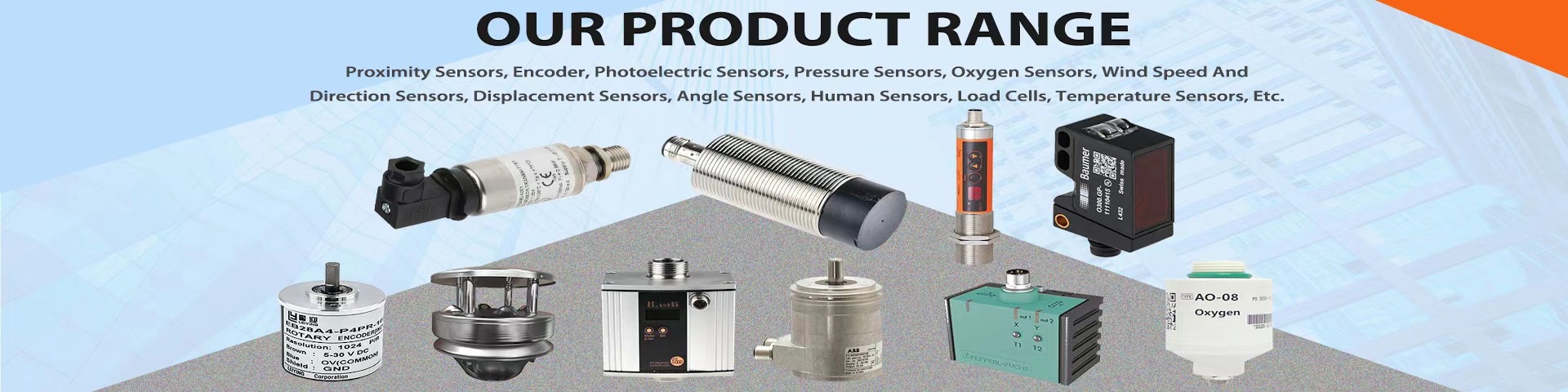

Молниеносная защита от коротких замыканий сенсоры
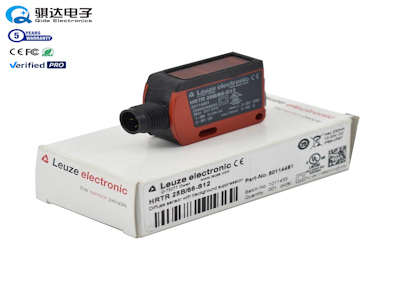
В современном мире, где электричество является основой практически всех аспектов жизни, от бытовых приборов до промышленных процессов, обеспечение безопасности электрических систем становится критически важным. Короткие замыкания представляют собой одну из наиболее распространенных и опасных проблем, способных привести к пожарам, повреждению оборудования и даже человеческим жертвам. Традиционные методы защиты, такие как предохранители и автоматические выключатели, хотя и эффективны, часто не справляются с молниеносным характером коротких замыканий, особенно в высокоскоростных средах. Именно здесь на сцену выходят инновационные сенсоры молниеносной защиты, которые обещают перевернуть представление о безопасности.
Эта статья aims to provide a comprehensive analysis of these cutting-edge sensors, exploring their underlying principles, operational mechanisms, advantages, applications across various sectors, and future prospects. By delving into technical details and real-world examples, we will demonstrate how these sensors are not just an incremental improvement but a paradigm shift in electrical safety. We will also address common challenges, cost considerations, and the importance of integration with smart systems to maximize their potential.
1. Понимание коротких замыканий и их опасности
Короткое замыкание occurs when an unintended low-resistance path is created between two points in an electrical circuit, causing a sudden surge of current. This can happen due to insulation failure, physical damage, or environmental factors like moisture. The immediate effects include overheating, arcing, and potential ignition of surrounding materials. In industrial settings, short circuits can lead to production downtime, costly repairs, and safety hazards for workers.
Historically, protection devices like fuses and circuit breakers have been used to interrupt the circuit when abnormal currents are detected. However, these devices have limitations: fuses need replacement after activation, and circuit breakers may have delayed response times, especially in cases of very fast transients. For instance, in power distribution networks, a short circuit can escalate within milliseconds, necessitating protection that operates even faster.
The evolution of electrical systems has increased the complexity and speed of faults. With the rise of renewable energy sources, electric vehicles, and high-power electronics, the demand for rapid and reliable protection has never been higher. This sets the stage for advanced sensors that can detect and respond to short circuits almost instantaneously.
2. Принципы работы сенсоров молниеносной защиты
Сенсоры молниеносной защиты leverage state-of-the-art technologies to achieve ultra-fast detection. At their core, they rely on principles such as current sensing, voltage monitoring, and advanced algorithms for real-time analysis. Key components include:
- Высокоскоростные датчики тока: Utilizing Hall effect sensors or Rogowski coils, these devices measure current fluctuations with nanosecond precision. For example, Hall effect sensors can detect changes in magnetic fields caused by current variations, providing analog signals that are converted into digital data for processing.
- Микропроцессоры и FPGA: Embedded processors or field-programmable gate arrays (FPGAs) analyze the sensor data in real-time. They implement algorithms that distinguish between normal operation and fault conditions, triggering protective actions within microseconds.
- Коммуникационные интерфейсы: Many modern sensors are equipped with communication capabilities, such as Ethernet or wireless protocols, allowing them to integrate into larger monitoring systems and provide alerts or data logs.
The operation begins with continuous monitoring of electrical parameters. When a short circuit is detected—often characterized by a rapid rise in current—the sensor sends a signal to a control unit, which then activates isolation devices like solid-state switches or traditional breakers. The entire process can be completed in less than 100 microseconds, significantly faster than conventional methods.
To illustrate, consider a scenario in a data center: a short circuit in a server rack could cause widespread damage if not contained quickly. A молниеносный сенсор would detect the fault and isolate the affected circuit before any significant harm occurs, minimizing downtime and repair costs.
3. Преимущества молниеносных сенсоров защиты
The adoption of these sensors offers numerous benefits over traditional protection systems:
- Скорость реакции: As highlighted, the primary advantage is the ultra-fast response time, which reduces the energy let-through and limits damage. Studies show that faster protection can decrease thermal and mechanical stress on equipment by up to 50%.
- Повышенная точность: Advanced algorithms reduce false positives, ensuring that protection is only activated when necessary. This is crucial in sensitive environments like hospitals or financial data centers where unnecessary shutdowns can have severe consequences.
- Гибкость и адаптируемость: These sensors can be configured for various voltage and current levels, making them suitable for diverse applications, from low-voltage consumer electronics to high-voltage industrial grids.
- Интеграция с IoT и умными сетями: By connecting to the Internet of Things (IoT), these sensors enable predictive maintenance and remote monitoring. For instance, they can alert maintenance teams to potential issues before they escalate, enhancing overall system reliability.
- Экономическая эффективность: Although the initial investment may be higher than traditional devices, the reduction in downtime, repair costs, and energy losses often results in a quick return on investment. In the long run, they contribute to sustainable operations by preventing waste and improving efficiency.
Case studies from the automotive industry demonstrate these benefits. Electric vehicles (EVs) use similar sensors to protect battery systems from short circuits, ensuring safety and longevity. In one example, a major EV manufacturer reported a 30% reduction in battery-related incidents after implementing advanced protection sensors.
4. Применение в различных отраслях
Молниеносные сенсоры защиты find applications across a wide range of sectors:
- Промышленность: In manufacturing plants, they protect machinery and production lines. For example, in the steel industry, where high currents are common, these sensors prevent accidents that could halt production for days.
- Энергетика: Power grids utilize them to safeguard transformers and transmission lines. With the integration of renewable sources like solar and wind, which can introduce variable faults, fast protection is essential for grid stability.
- Транспорт: In railways and aviation, electrical systems are critical for safety. Sensors help prevent faults in signaling systems or onboard electronics, reducing the risk of accidents.
- Бытовая электроника: Increasingly, consumer devices incorporate basic versions of these sensors to enhance safety, such as in smart home systems or charging stations for gadgets.
- Медицина: Medical equipment, like MRI machines or life support systems, relies on uninterrupted power. Fast protection sensors ensure that faults do not compromise patient care.
Each application has unique requirements. For instance, in the oil and gas industry, sensors must be explosion-proof and able to operate in harsh environments. Manufacturers have developed ruggedized versions with enhanced durability to meet these challenges.
5. Технические вызовы и решения
Despite their advantages, implementing молниеносные сенсоры защиты comes with challenges:
- Стоимость: High-performance sensors and associated electronics can be expensive. However, economies of scale and technological advancements are gradually reducing costs. Solutions include modular designs that allow for incremental upgrades.
- Сложность интеграции: Retrofitting existing systems with new sensors requires careful planning. Compatibility with legacy equipment must be ensured through adapters or middleware.
- Ложные срабатывания: Environmental factors like electromagnetic interference (EMI) can cause false detections. Advanced filtering algorithms and shielding techniques are employed to mitigate this issue.
- Обслуживание и калибровка: Regular maintenance is needed to keep sensors accurate. Wireless updates and self-diagnostic features are being integrated to simplify this process.
Research is ongoing to address these challenges. For example, the use of artificial intelligence (AI) in sensor algorithms is improving fault discrimination, reducing false positives by learning from historical data.
6. Будущие тенденции и инновации
The future of молниеносная защита сенсоры is bright, with several emerging trends:
- Искусственный интеллект и машинное обучение: AI will enable predictive analytics, where sensors can forecast potential faults based on patterns, allowing for preemptive actions.
- Квантовые сенсоры: Though still in experimental stages, quantum-based sensors promise even greater sensitivity and speed, potentially revolutionizing protection systems.
- Интеграция с blockchain: For enhanced security and transparency in critical infrastructure, blockchain technology could be used to log protection events immutably.
- Устойчивое развитие: Sensors will play a key role in the transition to green energy by ensuring the reliability of smart grids and reducing energy waste through efficient protection.
Collaboration between industry, academia, and governments is driving these innovations. Initiatives like the European Union's Horizon 2020 program have funded projects focused on next-generation electrical protection, highlighting the global importance of this technology.
7. Заключение
В заключение, молниеносные сенсоры защиты от коротких замыканий represent a significant leap forward in electrical safety. Their ability to detect and respond to faults with unprecedented speed and accuracy makes them indispensable in modern electrical systems. As technology continues to evolve, these sensors will become more accessible, intelligent, and integrated into our daily lives, ultimately contributing to a safer and more efficient world.
Investing in such innovations is not just a technical necessity but a strategic imperative for industries aiming to stay competitive and resilient. By embracing these advancements, we can mitigate risks, reduce costs, and pave the way for a future where electrical accidents are a thing of the past.