
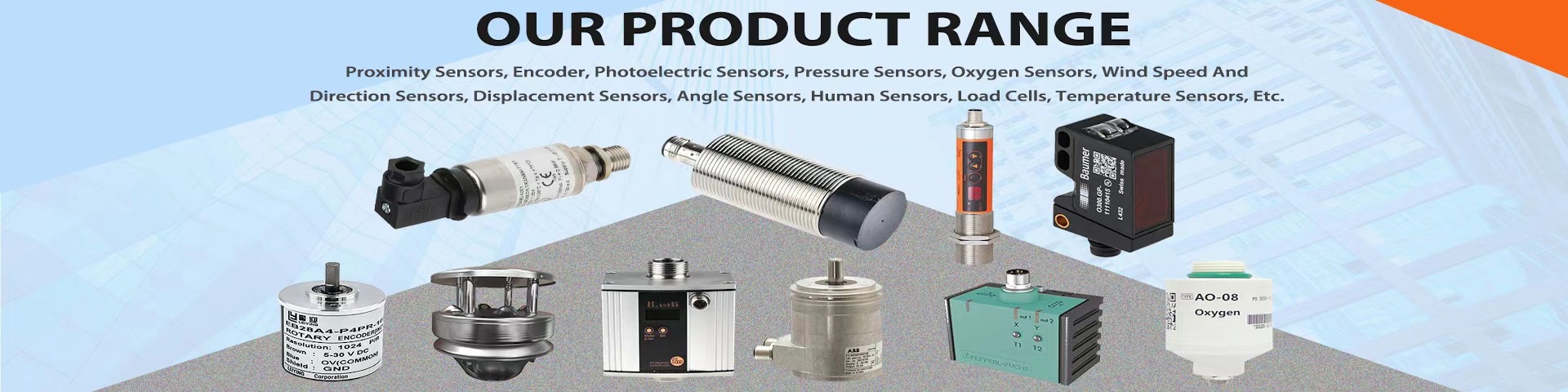

Преобразуйте ваше производство благодаря передовым программируемым датчикам для максимальной эффективности

В современном мире промышленности конкуренция становится все более жесткой. Компании вынуждены искать инновационные способы повышения эффективности, сокращения затрат и улучшения качества продукции. Одним из ключевых инструментов для достижения этих целей являются передовые программируемые датчики. Эти устройства не просто собирают данные; они позволяют полностью трансформировать процессы на производстве, делая их умнее, быстрее и надежнее. В этой статье мы глубоко погрузимся в то, как программируемые датчики могут революционизировать ваше производство, обеспечивая максимальную эффективность и открывая новые горизонты для роста.
Введение в мир программируемых датчиков
Программируемые датчики — это высокотехнологичные устройства, способные измерять различные физические параметры, такие как температура, давление, влажность, вибрация, и передавать эти данные в цифровом формате. Их уникальность заключается в возможности настройки и программирования под конкретные задачи, что делает их чрезвычайно гибкими и адаптивными. В отличие от традиционных датчиков, которые часто требуют сложной калибровки и имеют ограниченный функционал, программируемые версии могут быть легко интегрированы в системы автоматизации и интернета вещей (IoT).
Исторически, датчики использовались в промышленности с середины XX века, но только с развитием микропроцессоров и беспроводных технологий они стали truly программируемыми. Сегодня, благодаря advances в области искусственного интеллекта и машинного обучения, эти датчики могут не только собирать данные, но и анализировать их в реальном времени, предсказывать сбои и автоматически корректировать процессы. Это открывает беспрецедентные возможности для оптимизации производства.
Рассмотрим простой пример: на автомобильном заводе датчики температуры могут мониторить перегрев двигателей на конвейере. Если раньше это требовало постоянного человеческого контроля, то теперь программируемые датчики автоматически отправляют alerts на смартфоны инженеров, когда температура превышает заданный порог, и даже могут shut down оборудование для предотвращения аварии. Это не только экономит время, но и drastically снижает risks поломок.
Ключевые преимущества программируемых датчиков для производства
Внедрение программируемых датчиков приносит множество benefits, которые directly impact bottom line компании. Вот некоторые из наиболее значимых преимуществ:
- Повышение точности и надежности: Программируемые датчики offer высочайшую точность измерений, thanks to advanced algorithms и калибровке. Это reduces errors и improves качество продукции. Например, в фармацевтической промышленности, где compliance с стандартами критически важен, датчики могут ensure что temperature в storage помещениях remains within strict limits.
- Снижение операционных затрат: Автоматизация с помощью датчиков eliminates need for manual monitoring, что сокращает labor costs. Additionally, predictive maintenance, enabled by датчиками, позволяет планировать ремонты до того, как equipment fails, avoiding costly downtime. Исследования показывают, что companies могут сэкономить до 30% на maintenance expenses благодаря such подходам.
- Улучшение безопасности: Датчики могут detect опасные conditions, такие as утечки gas или overheating, и immediately trigger alarms или shutdown systems. Это защищает работников и equipment, reducing accidents и associated costs. В нефтегазовой отрасли, например, датчики pressure используются для monitoring pipelines и preventing катастроф.
- Гибкость и масштабируемость: Программируемые датчики легко adapt to changing production needs. Их можно reprogram для новых tasks без замены hardware, что делает ideal для dynamic industries. Если production line переключается на новый продукт, датчики могут быть reconfigured за minutes, instead of days.
- Интеграция с IoT и облачными системами: Эти датчики seamlessly connect to IoT platforms, enabling real-time data analytics и remote management. Данные могут быть accessed from anywhere in the world, facilitating decision-making и collaboration. For instance, менеджер на vacation может monitor factory performance через smartphone app.
Эти преимущества collectively contribute to significant improvements в overall efficiency. Companies that adopt программируемые датчики often report increase в productivity на 20-50%, depending on the sector. Moreover, they gain competitive edge by being able to respond faster to market changes and customer demands.
Основные типы программируемых датчиков и их применение
Программируемые датчики come in various types, each designed for specific applications. Understanding these types is crucial for selecting the right sensors for your production needs. Here are some of the most common categories:
Датчики температуры
Температурные датчики являются одними из самых widely used в промышленности. Они measure heat levels и могут быть programmed to trigger actions based on thresholds. Applications include:
- Пищевая промышленность: Monitoring temperature during processing and storage to ensure food safety and compliance with regulations. For example, in dairy plants, sensors ensure that milk is pasteurized at correct temperatures to kill bacteria.
- Металлургия: Controlling furnace temperatures to optimize energy use and product quality. Programmable sensors can adjust heating elements in real-time to maintain consistent temperatures.
- Электроника: Preventing overheating in devices during manufacturing. Sensors can shut down equipment if temperatures rise too high, protecting sensitive components.
Modern температурные датчики often use technologies like thermocouples or RTDs (Resistance Temperature Detectors) and are integrated with wireless communication for remote monitoring.
Датчики давления
Датчики давления measure force per unit area и vital для applications where pressure control is critical. Они могут быть programmed to maintain specific pressure levels или detect anomalies. Key uses:
- Химическая промышленность: Monitoring pressure in reactors to prevent explosions or leaks. Programmable sensors can automatically valve adjustments to keep pressure within safe limits.
- Автомобильная industry: In tire manufacturing, sensors ensure that tires are inflated to precise pressures for quality control.
- Медицинское equipment: In devices like ventilators, pressure sensors monitor airflow and can be programmed to alert staff if readings deviate from norms.
These sensors often utilize piezoelectric or capacitive technologies and can be calibrated for high accuracy.
Датчики вибрации и акселерометры
Вибрационные датчики detect movements и oscillations, making them essential for predictive maintenance. Они могут быть programmed to analyze vibration patterns и predict failures. Applications include:
- Машиностроение: Monitoring bearings and motors in machinery. Abnormal vibrations can indicate wear and tear, allowing for scheduled repairs before breakdowns occur.
- Строительство: In heavy equipment like cranes, sensors ensure stability and safety by detecting excessive movements.
- Аэрокосмическая industry: In aircraft, vibration sensors monitor engine performance and can trigger maintenance alerts based on data trends.
Advanced вибрационные датчики often incorporate machine learning algorithms to improve prediction accuracy over time.
Датчики влажности
Влажностные датчики measure moisture levels в air или materials. Они programming allows for control of humidification systems. Common uses:
- Сельское хозяйство: In greenhouses, sensors maintain optimal humidity for plant growth, automatically activating misting systems when needed.
- Фармацевтика: Ensuring that storage areas have controlled humidity to prevent degradation of drugs.
- Текстильная industry: During fabric production, humidity sensors help maintain consistency in material properties.
These sensors typically use capacitive or resistive methods and can be integrated with HVAC systems for automated control.
Датчики потока
Датчики потока measure the rate of fluid or gas movement. Their programmability enables precise flow control. Applications:
- Водоподготовка: Monitoring water flow in treatment plants to ensure efficient operation and detect leaks.
- Нефтегазовая industry: Measuring flow rates in pipelines to optimize transportation and prevent theft or leaks.
- Пищевая industry: In beverage production, sensors control the flow of liquids during bottling processes.
Flow sensors often use ultrasonic or magnetic technologies and can be configured for different viscosity fluids.
Датчики приближения и presence
These sensors detect the presence or absence of objects without physical contact. Programmability allows for customization of detection ranges and responses. Uses:
- Логистика: In warehouses, sensors track inventory movement on conveyor belts, automating sorting processes.
- Автомобильная assembly: Ensuring that parts are correctly positioned during assembly lines.
- Робототехника: Enabling robots to avoid obstacles and interact safely with humans.
They commonly use infrared, ultrasonic, or capacitive sensing technologies.
Each type of sensor offers unique capabilities, and combining multiple sensors can create a comprehensive monitoring system. For instance, in a smart factory, temperature, pressure, and vibration sensors might work together to provide a holistic view of equipment health.
Интеграция программируемых датчиков с IoT и системами автоматизации
To fully leverage программируемые датчики, integration with IoT (Internet of Things) and automation systems is essential. This connectivity transforms raw data into actionable insights, enabling real-time decision-making and remote control. Here's how it works:
Архитектура IoT системы с датчиками
A typical IoT setup for industrial sensors involves several layers:
- Слой датчиков: The physical sensors collect data from the environment. These are often equipped with microcontrollers that allow programming for specific tasks.
- Слой connectivity: Data is transmitted wirelessly (e.g., via Wi-Fi, Bluetooth, LoRaWAN) or through wired connections to a gateway. This layer ensures that data reaches the central system reliably.
- Слой cloud или edge computing: Data is processed and stored in the cloud or on edge devices. Here, algorithms analyze the data, identify patterns, and generate insights. For example, machine learning models can predict equipment failures based on historical data.
- Слой applications: User interfaces, such as dashboards or mobile apps, display the analyzed data and allow users to monitor and control processes remotely. Alerts can be sent via email or SMS for immediate action.
This architecture enables seamless integration with existing automation systems like PLCs (Programmable Logic Controllers) or SCADA (Supervisory Control and Data Acquisition systems). For instance, if a pressure sensor detects an anomaly, it can send a signal to a PLC to adjust valves automatically, without human intervention.
Преимущества интеграции
Integrating programmable sensors with IoT offers numerous benefits:
- Real-time monitoring: continuous data flow allows for immediate responses to changes, reducing latency in decision-making.
- Data-driven insights: Advanced analytics can uncover trends and inefficiencies that were previously invisible. For example, correlating temperature data with energy consumption might reveal opportunities for savings.
- Scalability: IoT systems can easily scale to accommodate more sensors as the production grows, without significant infrastructure changes.
- Remote management: Managers can oversee multiple facilities from a central location, improving coordination and reducing travel costs.
A case study from manufacturing: A company integrated IoT-enabled vibration sensors into their machinery. Over time, the system learned normal vibration patterns and began predicting failures weeks in advance. This reduced unplanned downtime by 40% and maintenance costs by 25%.
Challenges and solutions
Despite the benefits, integration can pose challenges such as cybersecurity risks, data overload, and interoperability issues. To address these:
- Cybersecurity: Implement encryption, secure protocols, and regular updates to protect data from breaches. Using trusted IoT platforms with built-in security features is crucial.
- Data management: Employ edge computing to process data locally, reducing bandwidth usage and latency. Cloud solutions can handle storage and complex analytics.
- Interoperability: Choose sensors and systems that support standard protocols like MQTT or OPC UA to ensure compatibility with existing infrastructure.
By overcoming these challenges, companies can fully harness the power of programmable sensors within an IoT ecosystem.
Практические примеры внедрения и успешные кейсы
To illustrate the impact of programmable sensors, let's explore real-world examples across different industries:
Пример 1: Автомобильная промышленность
Ведущий автопроизводитель внедрил программируемые датчики температуры и вибрации на сборочной линии. Датчики monitored critical points, such as engine assembly stations. Благодаря IoT integration, data анализировалась in real-time, and alerts were sent for any deviations. Результаты:
- Сокращение времени простоя на 30% due to predictive maintenance.
- Улучшение качества продукции, так как defects were caught early.
- Экономия энергии на 15% through optimized heating processes.
Этот кейс показывает, как датчики могут transform traditional manufacturing into a smart, efficient operation.
Пример 2: Пищевая промышленность
Крупная пищевая компания использовала датчики влажности и температуры в хранилищах для perishable goods. Датчики were programmed to maintain specific conditions and integrate with cloud-based software. Outcomes:
- Снижение потерь продукции на 20% by preventing spoilage.
- Compliance with safety regulations improved, avoiding fines.
- Remote monitoring allowed managers to oversee multiple facilities from one dashboard.
This example highlights how sensors enhance sustainability and regulatory adherence.
Пример 3: Энергетика
В wind farm, программируемые датчики вибрации were installed on turbines. They collected data on blade movements and transmitted it via IoT to a central system. Using machine learning, the system predicted maintenance needs. Benefits:
- Увеличение uptime турбин на 25%.
- Снижение costs на repairs by prioritizing interventions.
- Enhanced safety for maintenance crews through early warnings.
This demonstrates the role of sensors in renewable energy, contributing to greener operations.
Пример 4: Фармацевтика
A pharmaceutical manufacturer implemented pressure and temperature sensors in clean rooms. The sensors were programmed to ensure sterility and compliance with GMP (Good Manufacturing Practices). Results:
- Zero deviations recorded during audits, boosting reputation.
- Automated alerts reduced human error in monitoring.
- Data analytics identified patterns for process optimization.
This case underscores the importance of sensors in high-stakes industries where precision is paramount.
These examples show that regardless of the sector, programmable sensors can drive significant improvements. The key to success lies in careful planning, choosing the right sensors, and ensuring seamless integration with existing systems.
Будущие тренды и инновации в области программируемых датчиков
The field of programmable sensors is rapidly evolving, with several trends shaping the future of industrial automation:
Искусственный интеллект и машинное обучение
AI and ML are becoming integral to sensor technology. Future sensors will not only collect data but also learn from it, improving their accuracy and predictive capabilities over time. For instance, self-calibrating sensors that adjust based on environmental changes will reduce maintenance needs. In manufacturing, AI-powered sensors could autonomously optimize production lines by analyzing real-time data and making adjustments without human input.
Edge computing
To handle the massive data generated by sensors, edge computing is gaining traction. Processing data locally on the sensor or at the edge reduces latency and bandwidth usage. This is particularly important for time-sensitive applications, such as autonomous robots in factories, where decisions must be made in milliseconds. Edge-enabled sensors will enable faster responses and greater reliability.
5G и enhanced connectivity
The rollout of 5G networks will revolutionize sensor communication by offering higher speed, lower latency, and greater capacity. This will allow for more sensors to be connected simultaneously, enabling comprehensive monitoring of large-scale operations. In smart cities, for example, 5G-connected sensors could manage traffic flow and energy distribution in real-time.
Energy harvesting
Future sensors may power themselves through energy harvesting techniques, such as converting vibrations or heat into electricity. This will eliminate the need for batteries, reducing maintenance and environmental impact. In remote industrial sites, energy-harvesting sensors could operate indefinitely without external power sources.
Miniaturization and flexibility
Sensors are becoming smaller and more flexible, allowing them to be integrated into a wider range of equipment and environments. Flexible sensors could be embedded in clothing for worker safety monitoring or in soft robotics for delicate tasks. This trend will expand the applications of sensors beyond traditional industrial settings.
Interoperability and standardization
As the IoT ecosystem grows, there is a push towards standardizing protocols to ensure that sensors from different manufacturers can work together seamlessly. Initiatives like Industry 4.0 standards will facilitate Plug-and-Play integration, making it easier for companies to adopt sensor technology without vendor lock-in.
These innovations promise to make programmable sensors even more powerful and accessible, driving further efficiencies in production. Companies that stay ahead of these trends will be well-positioned to lead in the competitive landscape.
Как выбрать и внедрить программируемые датчики на вашем производстве
Implementing programmable sensors requires a strategic approach to ensure success. Here's a step-by-step guide:
Шаг 1: Проведите аудит текущих процессов
Начните с анализа вашего production to identify areas where sensors can add the most value. Consider factors like pain points (e.g., frequent equipment failures), regulatory requirements, and potential ROI. Engage with floor workers and engineers to gather insights on where monitoring is needed.
Шаг 2: Определите цели и KPI
Set clear objectives for the sensor implementation. Do you want to reduce downtime, improve quality, or save energy? Define Key Performance Indicators (KPIs) to measure success, such as percentage reduction in defects or increase in uptime.
Шаг 3: Выберите подходящие датчики
Based on your audit, select the types of sensors that match your needs. Consider factors like accuracy, range, durability, and compatibility with existing systems. Work with reputable suppliers who offer support and customization options. For example, if you need temperature monitoring in a harsh environment, choose sensors with high ingress protection (IP) ratings.
Шаг 4: Планируйте интеграцию
Develop a plan for integrating sensors with your IoT and automation infrastructure. This may involve upgrading network capabilities, selecting an IoT platform, and ensuring cybersecurity measures are in place. Pilot the implementation in a small area first to test functionality and address any issues.
Шаг 5: Обучите персонал
Ensure that your team is trained to use and maintain the new sensors. Provide training on data interpretation, alarm handling, and basic troubleshooting. This will maximize adoption and ensure that the system is used effectively.
Шаг 6: Мониторьте и оптимизируйте
After implementation, continuously monitor the system's performance against your KPIs. Use the data collected to identify further optimization opportunities. Regularly update sensor software and protocols to keep up with technological advancements.
By following these steps, you can smoothly transition to a sensor-enabled production environment. Remember, the goal is not just to install sensors but to create a culture of data-driven decision-making.
Заключение: Будущее за умными производствами
Программируемые датчики — это не просто technological innovation; они являются catalyst для transformation всего production ландшафта. By embracing these advanced devices, companies can achieve unprecedented levels of efficiency, safety, and agility. The journey towards smart manufacturing may require investment and change management, but the rewards — reduced costs, improved quality, and sustainable growth — are well worth it.
As we look to the future, the integration of AI, IoT, and energy-efficient designs will make sensors even more integral to industrial operations. Now is the time to act: assess your production needs, explore sensor solutions, and start your transformation towards maximum efficiency. The era of smart production is here, and with programmable sensors, you can lead the charge.
Не упустите возможность revolutionize ваше производство. Свяжитесь с экспертами сегодня, чтобы узнать больше о том, как программируемые датчики могут работать для вас.
Для дополнительной информации, посетите наши ресурсы или свяжитесь с нашими специалистами. Together, we can build a smarter, more efficient future for your production.
Предыдущая статья: Моделирование аналоговых выходных датчиков как инновационный подход к точности измерений
Следующий пост: Молниеносная защита от коротких замыканий сенсоры