
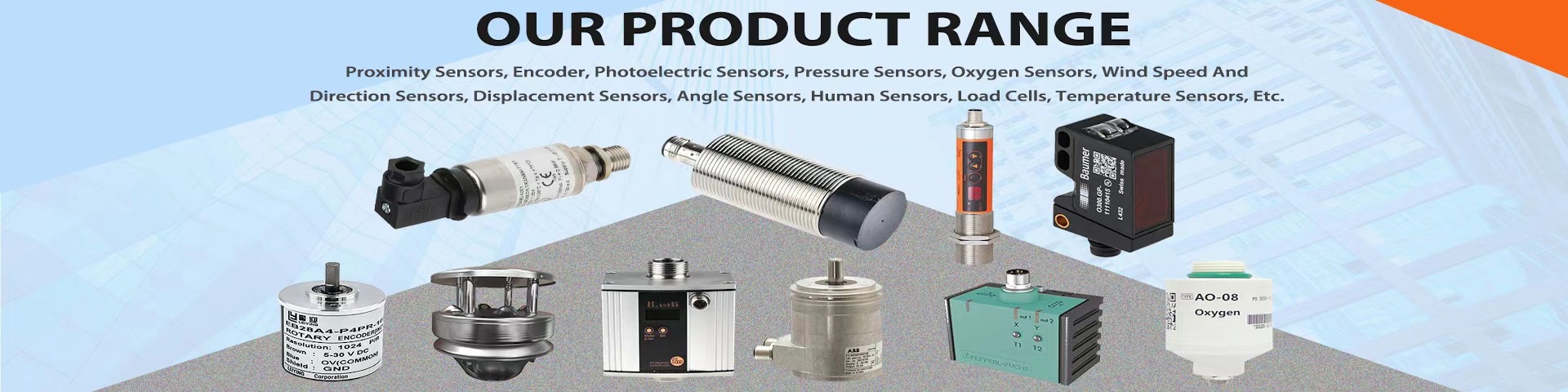

Эти сенсоры всегда готовы к работе
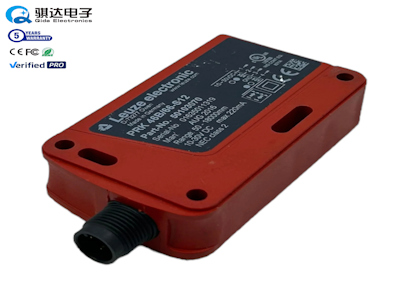
В современном мире технологии развиваются с невероятной скоростью, и одним из ключевых элементов этого прогресса являются сенсоры. Эти устройства, часто незаметные для обычного пользователя, играют crucial роль в автоматизации, мониторинге и управлении различными процессами. В этой статье мы подробно рассмотрим, почему сенсоры всегда готовы к работе, как они обеспечивают надежность и эффективность, и какое влияние они оказывают на нашу повседневную жизнь и промышленность.
Введение в мир сенсоров
Сенсоры, или датчики, — это устройства, которые преобразуют физические величины, такие как температура, давление, свет или движение, в электрические сигналы, которые могут быть обработаны электронными системами. Их применение охватывает практически все сферы человеческой деятельности: от бытовой электроники до сложных промышленных установок. Например, в умных домах сенсоры контролируют освещение, температуру и безопасность, а в автомобильной промышленности они обеспечивают работу систем ABS и подушек безопасности. Благодаря своей универсальности и надежности, сенсоры стали неотъемлемой частью современной технологии.
Что делает сенсоры такими особенными? Во-первых, их способность работать в реальном времени. В отличие от человеческих органов чувств, которые могут уставать или ошибаться, сенсоры обеспечивают непрерывный и точный мониторинг. Это особенно важно в критических ситуациях, таких как медицинское оборудование или системы безопасности, где каждая секунда имеет значение. Во-вторых, сенсоры часто designed для работы в экстремальных условиях: высокие температуры, вибрации или влажность не являются для них проблемой. Это делает их идеальными для использования в тяжелой промышленности, нефтегазовой отрасли или даже в космических миссиях.
Кроме того, с развитием интернета вещей (IoT), сенсоры стали более интеллектуальными и connected. Они могут обмениваться данными друг с другом и с центральными системами, создавая сети, которые автоматически адаптируются к изменениям. Это не только повышает эффективность, но и reduces необходимость человеческого вмешательства, что ведет к снижению ошибок и costs. Например, в умных городах сенсоры traffic lights могут оптимизировать поток транспорта based on real-time data, reducing пробки и emissions.
Однако, несмотря на все преимущества, существуют и вызовы. Один из главных — это энергопотребление. Многие сенсоры работают на батареях, и их замена или зарядка может быть cumbersome. Чтобы решить эту проблему, инженеры разрабатывают энергоэффективные designs, такие как сенсоры с низким энергопотреблением или даже self-powered устройства, которые harness энергию из окружающей среды, например, через solar cells или kinetic energy. Другой вызов — безопасность данных. Поскольку сенсоры часто передают конфиденциальную information, важно обеспечить защиту от кибератак. Это требует advanced encryption и secure protocols.
В целом, сенсоры представляют собой фундаментальный компонент технологической революции. Их готовность к работе — не просто feature, а necessity для современного общества. В следующих разделах мы углубимся в различные аспекты сенсоров, обсуждая их types, applications, и future trends.
Типы сенсоров и их применение
Сенсоры можно классифицировать по множеству критериев, но наиболее common подход — based on измеряемой физической величине. Например, temperature сенсоры используются в климат-контроле и медицинских devices, pressure сенсоры — в automotive и aerospace, а optical сенсоры — в cameras и системах безопасности. Каждый type имеет свои уникальные characteristics и applications, что делает их highly specialized.
Рассмотрим несколько популярных types. First, temperature сенсоры, такие как thermocouples или RTDs, essential в промышленности для monitoring процессов, где temperature control критичен, like в chemical plants или food processing. Они designed to withstand high temperatures и provide accurate readings, often with error margins less than 1%. Second, motion сенсоры, including accelerometers и gyroscopes, широко used в smartphones, drones, и gaming devices. Они detect movement и orientation, enabling features like screen rotation или stabilization.
Another important category — environmental сенсоры, которые measure parameters like humidity, air quality, или light intensity. Например, в agriculture, soil moisture сенсоры help optimize irrigation, reducing water waste и increasing crop yields. In smart homes, CO2 сенсоры monitor indoor air quality и trigger ventilation systems when necessary. These applications demonstrate how сенсоры contribute to sustainability и quality of life.
Besides these, there are also biosensors, которые detect biological molecules, used in healthcare for disease diagnosis или drug development. For instance, glucose sensors for diabetes management have revolutionized patient care by providing real-time blood sugar levels. Similarly, in security, fingerprint или facial recognition sensors enhance authentication systems, making them more secure и convenient.
The versatility of сенсоры is further amplified by their integration with microcontrollers и wireless technologies. With the advent of IoT, sensors are often part of networks that collect and analyze data on a massive scale. This enables predictive maintenance in industries, where sensors detect anomalies before failures occur, saving time и money. For example, in wind turbines, vibration sensors can predict bearing failures, allowing repairs during scheduled downtime rather than emergency shutdowns.
In summary, the diversity of sensor types ensures that there is a solution for almost any monitoring need. Their readiness to work stems from rigorous testing и design for reliability. Manufacturers subject sensors to harsh conditions during development to ensure they perform consistently. This reliability is why we can trust that these sensors are always ready, whether in a simple home appliance or a complex industrial system.
Надежность и готовность сенсоров
Надежность — это ключевой аспект, который делает сенсоры всегда готовыми к работе. В отличие от механических устройств, которые могут изнашиваться со временем, электронные сенсоры often have long lifespans due to solid-state designs with no moving parts. This reduces the risk of mechanical failure и increases durability. For instance, MEMS (Micro-Electro-Mechanical Systems) sensors, used in smartphones и cars, are manufactured using semiconductor processes, making them highly reliable и resistant to shock и vibration.
Чтобы обеспечить готовность, сенсоры undergo extensive testing during production. This includes environmental tests, such as temperature cycling, humidity exposure, и vibration tests, to simulate real-world conditions. Additionally, functional tests verify that sensors meet specifications for accuracy и response time. As a result, when deployed, they can operate for years without issues. In critical applications like aviation или medical devices, sensors are designed with redundancy — multiple sensors work together to provide backup in case one fails, ensuring continuous operation.
Another factor contributing to readiness is the low power consumption of modern sensors. With advancements in technology, many sensors now operate on microwatts of power, enabling them to run on batteries for extended periods. For example, in wireless sensor networks used in environmental monitoring, sensors can last for months or even years without battery replacement. This is achieved through sleep modes, where sensors activate only when needed, conserving energy. Moreover, energy harvesting techniques, such as using solar cells или piezoelectric materials, allow sensors to be self-sustaining, further enhancing their readiness.
Connectivity также plays a role. Sensors are often part of networks that can remotely monitor их status. If a sensor malfunctions, the system can alert operators for maintenance, minimizing downtime. In smart grids, for instance, sensors on power lines detect faults и communicate them to control centers, enabling quick responses to outages. This proactive approach ensures that sensors are not only ready but also maintained optimally.
However, challenges remain. Sensor calibration can drift over time due to environmental factors, leading to inaccurate readings. To counter this, many systems include self-calibration features или periodic maintenance schedules. Additionally, cybersecurity threats can compromise sensor data, so encryption и secure protocols are essential. Despite these challenges, the overall reliability of sensors is high, thanks to continuous improvements in materials и design.
In essence, the readiness of sensors is a result of careful engineering и innovation. They are built to be robust, energy-efficient, and integrated into smart systems that support their operation. This makes them indispensable in today's technology-driven world, where uninterrupted monitoring и control are paramount.
Влияние сенсоров на промышленность и будущее
Сенсоры оказали profound влияние на промышленность, трансформируя traditional processes into smart, automated systems. In manufacturing, sensors enable Industry 4.0, where machines communicate and make decisions autonomously. For example, on assembly lines, vision sensors inspect products for defects, while pressure sensors ensure precise control of robotic arms. This increases productivity, reduces waste, and improves quality. According to studies, the integration of sensors in manufacturing can boost efficiency by up to 30% and reduce costs by minimizing human error.
In the energy sector, sensors are crucial for monitoring and optimizing resource usage. Smart meters with sensors track electricity consumption in real-time, allowing utilities to manage demand and prevent overloads. In renewable energy, such as solar farms, sensors monitor panel performance and environmental conditions, maximizing energy output. This not only enhances sustainability but also supports the transition to green energy sources.
The healthcare industry has also been revolutionized by sensors. Wearable devices with heart rate sensors, blood oxygen monitors, and activity trackers empower individuals to manage their health proactively. In hospitals, sensors in medical equipment ensure accurate diagnostics and patient monitoring, improving outcomes. For instance, continuous glucose monitors for diabetics provide data that can be shared with doctors for tailored treatment plans.
Looking to the future, the role of sensors will only expand. With the rise of artificial intelligence, sensors will become even smarter, capable of predictive analytics and adaptive behavior. For example, in autonomous vehicles, sensors like lidar and radar will work with AI to navigate complex environments safely. In smart cities, networks of sensors will manage traffic, waste, and public services efficiently, creating more livable urban spaces.
Moreover, advancements in nanotechnology may lead to the development of nano-sensors that can detect substances at the molecular level, opening new possibilities in medicine and environmental protection. These sensors could be implanted in the body to monitor health conditions or deployed in the environment to detect pollutants with unprecedented sensitivity.
However, with these opportunities come ethical and societal considerations. The pervasive use of sensors raises questions about privacy and data ownership. It is essential to establish regulations and standards to protect individuals while harnessing the benefits of sensor technology. Additionally, there is a need for education and training to ensure that the workforce can manage and maintain these advanced systems.
In conclusion, sensors are not just tools; they are enablers of innovation and progress. Their readiness to work ensures that we can rely on them for critical functions, from everyday convenience to life-saving applications. As technology evolves, sensors will continue to be at the forefront, driving us toward a more connected and intelligent future.
Ключевые выводы: Сенсоры являются фундаментальными для modern technology, offering reliability, efficiency, and readiness across various sectors. Their integration with IoT and AI will further enhance their capabilities, making them indispensable in the years to come. Embrace the sensor revolution — because these devices are always ready to work for you.
Предыдущая статья: Установите идеальную дистанцию для безупречного обнаружения
Следующий пост: Как работает светодиодный индикатор на устройствах