
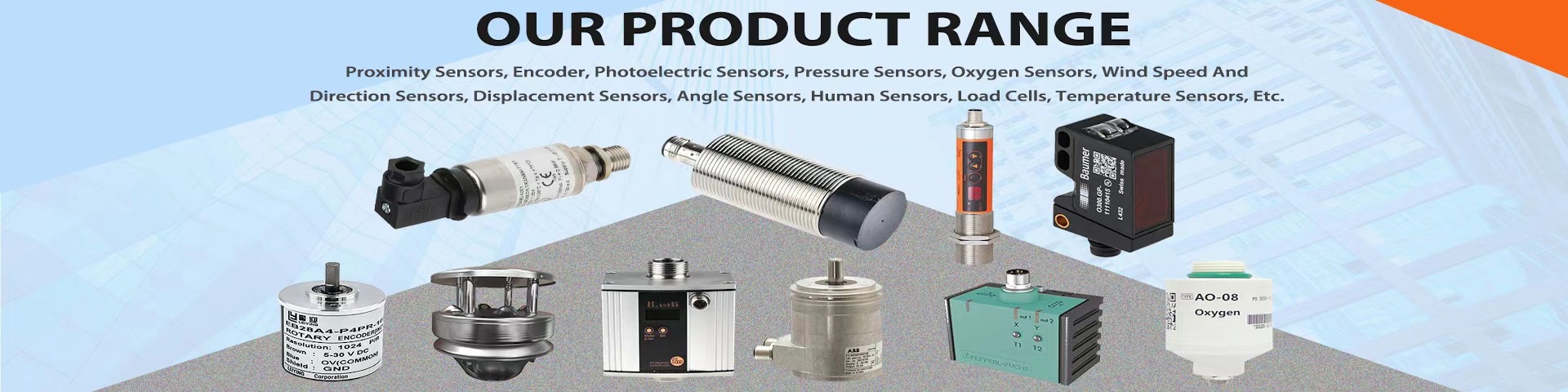

Установите идеальную дистанцию для безупречного обнаружения
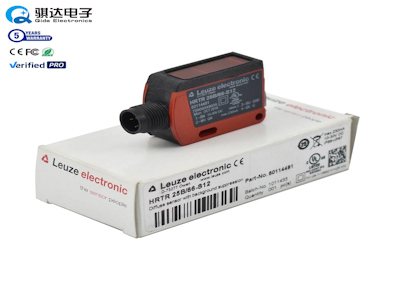
Вы когда-нибудь задумывались, почему некоторые системы обнаружения работают безупречно, а другие постоянно дают сбои? Возможно, всё дело в дистанции! В современном мире, где безопасность и эффективность имеют первостепенное значение, правильная установка дистанции для обнаружения объектов, сигналов или угроз может стать ключом к успеху. Но как определить эту идеальную дистанцию? Что влияет на её выбор? И почему это так важно для различных областей, от технологий до повседневной жизни? В этой статье мы погрузимся в глубины этого вопроса, исследуя факторы, методы и практические советы для достижения безупречного обнаружения. Готовы ли вы открыть секреты оптимальной дистанции? Давайте начнём это увлекательное путешествие!
Что такое дистанция обнаружения и почему она так важна?
Дистанция обнаружения – это расстояние, на котором система или устройство может reliably detect an object, signal, or event. Imagine a radar system: if it's set too close, it might miss distant threats; if too far, it could generate false alarms. This concept applies everywhere – from security cameras and sensors to medical devices and even social interactions. Why is it crucial? Proper distance ensures accuracy, efficiency, and safety. For instance, in autonomous vehicles, the ideal detection range prevents accidents by allowing timely reactions. In healthcare, diagnostic tools must detect anomalies at precise distances to avoid errors. But how do we define "ideal"? It depends on context: environmental factors, technology limitations, and human factors all play a role. Isn't it fascinating how a simple measurement can have such profound implications? Let's explore further.
Факторы, влияющие на идеальную дистанцию
Several elements determine the perfect detection distance. First, environmental conditions: weather, lighting, and obstacles can shorten or extend range. For example, fog reduces visibility for optical sensors, requiring shorter distances. Second, technological capabilities: the sensitivity and power of the device matter. A high-powered sonar can detect objects farther away than a basic one. Third, the nature of the target: size, material, and movement affect detectability. A large, metallic object is easier to spot at a distance than a small, camouflaged one. Fourth, human factors: in systems involving people, cognitive limits and reaction times influence distance settings. For instance, in driving, the safe following distance accounts for human perception delays. Have you considered how these factors interact? They create a complex web that must be balanced for optimal performance. Let's delve into methods to calculate this balance.
Методы расчёта и оптимизации дистанции
To find the ideal distance, we use various methods. Empirical testing involves real-world experiments to measure detection rates at different ranges. Mathematical models, like those based on signal-to-noise ratio, help predict optimal distances theoretically. Simulation software allows virtual testing without physical risks. For example, in wireless communications, engineers use formulas to set transmission ranges for minimal interference. Optimization algorithms can adjust distances dynamically based on real-time data, as seen in adaptive cruise control systems. But it's not just about numbers; user feedback and iterative improvements are vital. Have you tried calibrating a device? It often involves trial and error to hit the sweet spot. Remember, the goal is maximising detection accuracy while minimising errors and costs. This requires a holistic approach, combining science with practicality.
Практические примеры из различных областей
Let's look at real-world applications. In security, CCTV cameras need specific distances to capture clear footage; too close, and the field of view is narrow; too far, details blur. Recommendations often suggest 10-50 meters based on lens type. In medicine, ultrasound machines must be positioned at exact distances from the body to produce accurate images – typically a few centimeters. In nature, animals like bats use echolocation with precisely tuned distances to navigate and hunt. Even in sports, referees rely on optimal positioning to make fair calls. What lessons can we learn from these examples? They show that context is king. There's no one-size-fits-all distance; it must be tailored to the situation. How can we apply this to our own projects? By studying best practices and adapting them.
Общие ошибки и как их избежать
Common pitfalls in setting detection distances include ignoring environmental changes, overestimating technology, and neglecting maintenance. For instance, a sensor might work perfectly in lab conditions but fail in rain or dust. To avoid this, regular calibration and environmental monitoring are essential. Another mistake is setting static distances without considering dynamic factors; adaptive systems are better. Also, human error – like misjudging distances – can be mitigated through training and automation. Have you encountered such issues? They often lead to false positives or missed detections, costing time and resources. The key is proactive planning: use data-driven approaches, test thoroughly, and update settings as needed. Remember, perfection is a journey, not a destination.
Будущие тенденции и инновации
The future of detection distances is exciting, with advances in AI, IoT, and nanotechnology. AI algorithms can now predict optimal distances in real-time, learning from data to improve accuracy. IoT devices network together to cover larger areas with coordinated distances. For example, smart cities use interconnected sensors for traffic management, adjusting detection ranges based on congestion. Nanosensors might enable detection at microscopic distances, revolutionising fields like biology. But with innovation comes challenges: privacy concerns and energy consumption must be addressed. What do you think the next breakthrough will be? Perhaps quantum-based detection that defies traditional distance limits! The possibilities are endless, and staying informed will help us harness these advancements responsibly.
Заключение: ваш путь к безупречному обнаружению
In conclusion, setting the ideal detection distance is a multifaceted challenge that blends science, technology, and practicality. By understanding the factors involved, employing robust methods, and learning from examples, we can achieve near-perfect detection. Whether you're a engineer, a hobbyist, or just curious, remember that the right distance enhances safety, efficiency, and innovation. So, why not start experimenting today? Calibrate your devices, consider the environment, and embrace new technologies. The journey to flawless detection begins with a single step – or perhaps, a carefully measured distance. What will you discover?
This article has explored the intricacies of detection distances, but the conversation doesn't end here. Share your experiences and thoughts in the comments below. How have you tackled distance-related challenges? Together, we can push the boundaries of what's possible. Thank you for reading, and may your detections always be precise and reliable!
Предыдущая статья: Инновационные оптические сенсоры максимальная точность для автоматизации
Следующий пост: Эти сенсоры всегда готовы к работе