
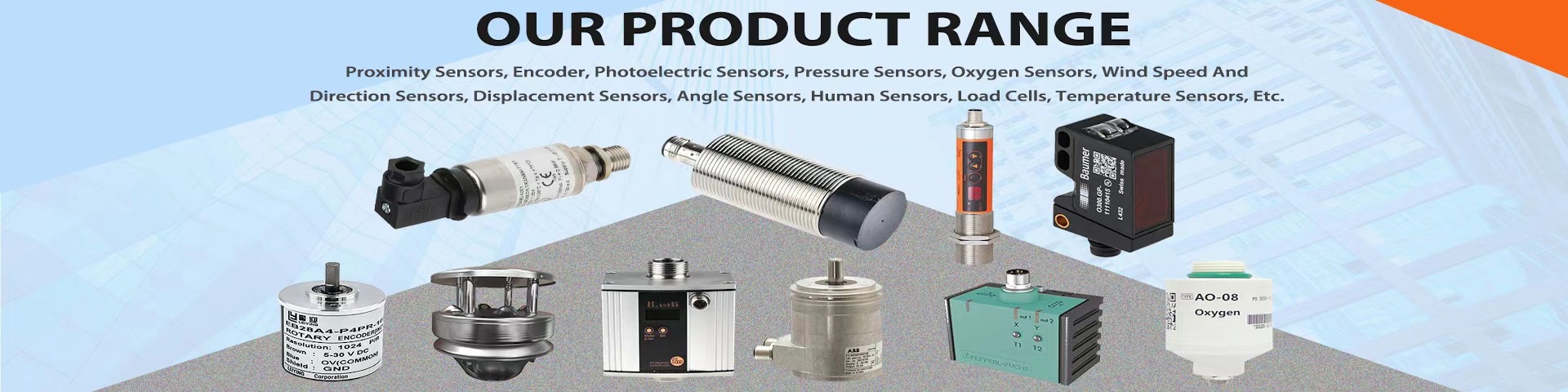

Инновационные приложения волоконно-оптических датчиков для умного будущего
В эпоху цифровой трансформации волоконно-оптические датчики emerge как ключевая технология, способная революционизировать множество отраслей и проложить путь к умному будущему. Эти сенсоры, основанные на принципах оптики и волоконной технологии, предлагают беспрецедентную точность, надежность и эффективность в мониторинге и управлении различными системами. В этой статье мы глубоко погружаемся в инновационные применения волоконно-оптических датчиков, исследуя их роль в умных городах, промышленности, здравоохранении, энергетике, транспорте и других областях, а также обсуждая вызовы и будущие перспективы.
Введение в волоконно-оптические датчики
Волоконно-оптические датчики — это устройства, которые используют оптические волокна для обнаружения изменений в физических параметрах, таких как температура, давление, деформация или вибрация. Они работают путем измерения изменений в световых сигналах, передаваемых через волокно, что позволяет осуществлять высокоточный мониторинг в реальном времени. По сравнению с традиционными электронными датчиками, они обладают numerous преимуществами, включая иммунитет к электромагнитным помехам, способность работать в harsh условиях, высокую чувствительность и возможность multiplexing для одновременного мониторинга multiple точек.
История волоконно-оптических датчиков восходит к 1970-м годам, когда researchers начали exploring их potential для телекоммуникаций и sensing. С тех пор технология evolved significantly, с advancements в материалах, manufacturing процессах и signal processing algorithms. Сегодня они находят applications в diverse fields, от aerospace до biomedical, и являются integral part интернета вещей (IoT) ecosystems.
Преимущества волоконно-оптических датчиков
Одним из key advantages волоконно-оптических датчиков является их ability to operate в environments, где electronic sensors fail. Например, в high-voltage electrical systems или explosive atmospheres, они provide safe and reliable monitoring. Additionally, их small size and flexibility allow for easy integration into complex structures, such as bridges, pipelines, or medical implants.
Another significant benefit is their high bandwidth and long-distance capabilities. Optical fibers can transmit data over kilometers without significant loss, making them ideal for distributed sensing applications. This is particularly useful in large-scale infrastructure projects, where continuous monitoring is essential for safety and maintenance.
Moreover, волоконно-оптические датчики are highly sensitive and can detect minute changes, which is crucial for applications like earthquake detection or medical diagnostics. Their multiplexing capability allows multiple sensors to be connected along a single fiber, reducing costs and complexity compared to traditional sensor networks.
Приложения в умных городах
Умные города leverage technology to improve the quality of life for residents, enhance sustainability, and optimize resource management. Волоконно-оптические датчики play a vital role in this context by enabling real-time monitoring of urban infrastructure. For instance, they can be used to monitor the structural health of buildings, bridges, and tunnels, detecting cracks or deformations early to prevent disasters.
In transportation systems, these sensors can monitor traffic flow, detect accidents, and manage smart traffic lights, leading to reduced congestion and improved safety.他们还 can be integrated into water and waste management systems to detect leaks or contamination, ensuring efficient resource use.
Furthermore, in energy management, волоконно-оптические датчики can monitor power grids and renewable energy sources, such as wind turbines or solar panels, optimizing performance and predicting failures. This contributes to the development of sustainable and resilient urban environments.
Приложения в промышленности
Промышленность benefits greatly from the adoption of волоконно-оптических датчиков, particularly in manufacturing and process control. In automotive or aerospace industries, these sensors are used for quality control during production, monitoring parameters like strain or temperature in real-time to ensure product integrity.
In oil and gas sectors, они are deployed for pipeline monitoring, detecting leaks or corrosion in remote and hazardous areas. This not only enhances safety but also reduces environmental risks and operational costs.
Additionally, in robotics and automation, волоконно-оптические датчики provide precise feedback for control systems, enabling more accurate and efficient operations. Their ability to withstand extreme conditions makes them suitable for heavy industries, such as mining or metallurgy.
Приложения в здравоохранении
Здравоохранение is another field where волоконно-оптические датчики are making significant strides. They are used in medical devices for monitoring vital signs, such as heart rate or blood pressure, with high precision and minimal invasiveness. For example, fiber optic sensors can be embedded in catheters or implants to provide continuous health data.
In diagnostics, они enable advanced imaging techniques, such as optical coherence tomography, which is used for eye exams or cancer detection. Their small size and biocompatibility make them ideal for minimally invasive procedures.
Moreover, in pharmaceutical industries, these sensors are employed for monitoring fermentation processes or drug development, ensuring quality control and compliance with regulations. The integration with IoT allows for remote patient monitoring, improving healthcare accessibility and outcomes.
Приложения в энергетике
Энергетика sector relies on волоконно-оптические датчиков for efficient and safe operations. In power generation, они monitor turbines and generators for vibrations or temperature changes, preventing breakdowns and optimizing performance. In nuclear plants, их immunity to radiation makes them invaluable for safety monitoring.
For renewable energy, such as wind farms, these sensors are used to monitor blade conditions or tower integrity, extending lifespan and reducing maintenance costs. In smart grids, они facilitate real-time monitoring of electricity flow, enabling better demand response and integration of distributed energy resources.
Additionally, in oil and gas exploration, волоконно-оптические датчики are used in downhole applications to measure pressure and temperature, improving extraction efficiency and safety. This technology is crucial for the transition to a more sustainable energy future.
Приложения в транспорте
Транспорт systems benefit from волоконно-оптических датчиков in multiple ways. In aviation, они monitor aircraft structures for fatigue or damage, enhancing safety and reducing maintenance downtime. In railways, они are used for track monitoring, detecting defects or intrusions to prevent accidents.
In automotive industry, these sensors are integrated into vehicles for advanced driver assistance systems (ADAS), providing data on road conditions or vehicle performance.他们还 can be used in autonomous vehicles for precise navigation and obstacle detection.
Maritime applications include monitoring ship hulls for corrosion or stress, as well as underwater pipelines for leaks. The durability and reliability of волоконно-оптические датчиков make them essential for modern transportation infrastructure.
Вызовы и ограничения
Despite their advantages, волоконно-оптические датчики face several challenges. Cost can be a barrier, as the initial investment for installation and calibration may be high compared to traditional sensors. Additionally, their complexity requires specialized knowledge for deployment and maintenance, which can limit widespread adoption.
Technical limitations include sensitivity to environmental factors like temperature fluctuations or mechanical stress, which can affect accuracy. Moreover, data processing from distributed sensors can be computationally intensive, necessitating advanced algorithms and infrastructure.
However, ongoing research is addressing these issues through developments in nanomaterials, improved signal processing techniques, and cost-reduction strategies. As technology advances, these challenges are expected to diminish, making волоконно-оптические датчики more accessible and effective.
Будущие перспективы
Будущее волоконно-оптических датчиков looks promising, with trends pointing towards increased integration with artificial intelligence (AI) and machine learning. This will enable predictive maintenance and autonomous decision-making in various applications. For example, AI algorithms can analyze sensor data to forecast failures in infrastructure or optimize industrial processes.
Another exciting direction is the development of smart sensors with embedded intelligence, capable of local data processing and reducing the need for central systems. This aligns with the growth of edge computing in IoT ecosystems.
Furthermore, advancements in nanotechnology may lead to even smaller and more sensitive sensors, opening up new possibilities in fields like nanomedicine or environmental monitoring. The convergence with 5G and beyond technologies will enhance connectivity and real-time capabilities.
In the long term, волоконно-оптические датчики could become ubiquitous in smart cities, contributing to sustainable development and improved quality of life. Their role in climate change mitigation, through monitoring of environmental parameters, is also significant.
Заключение
Волоконно-оптические датчики представляют собой transformative технологию с immense potential для shaping умного будущего. Их applications across various sectors demonstrate their versatility and effectiveness in enhancing safety, efficiency, and sustainability. While challenges remain, continued innovation and adoption will undoubtedly unlock new opportunities, making our world more connected and intelligent. As we move forward, embracing these sensors will be key to building resilient and advanced societies.
This article has provided a comprehensive overview of the innovative applications of волоконно-оптические датчики, highlighting their critical role in the smart future. By leveraging their unique properties, we can address complex challenges and create a better tomorrow.
Предыдущая статья: Как выбрать надежный регулируемый держатель датчика для вашей системы
Следующий пост: Установка барьерных фотоэлектрических выключателей шаг за шагом