
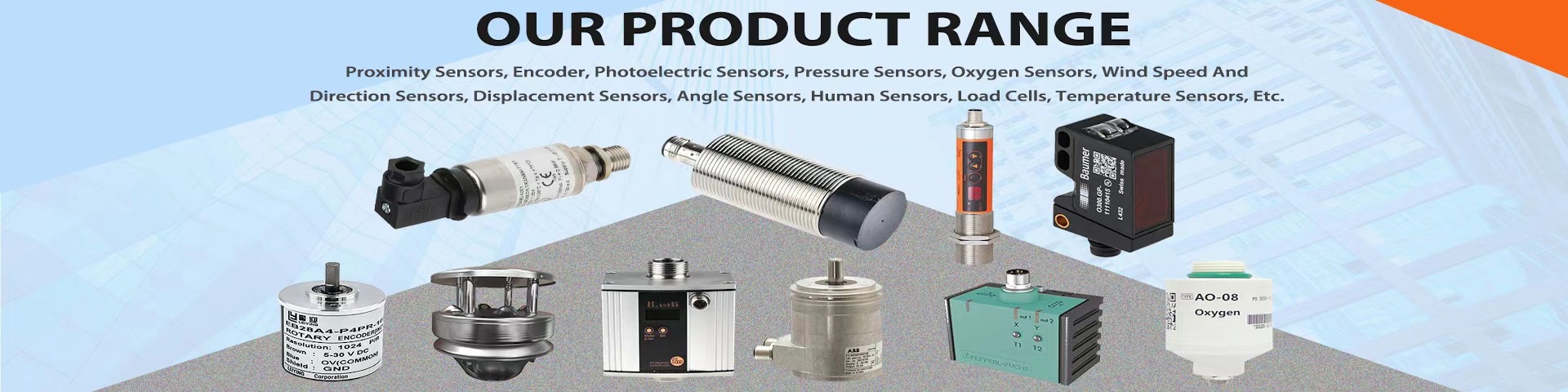

Оптические датчики превосходят традиционные сенсоры по точности и надежности измерений
В современном мире технологии измерения играют ключевую роль в различных отраслях, от промышленного производства до медицинских приложений. С появлением оптических датчиков произошла настоящая революция в области сенсорных технологий. Эти инновационные устройства предлагают беспрецедентный уровень точности и надежности, что делает их превосходной альтернативой традиционным сенсорам. В этой статье мы подробно рассмотрим, почему оптические датчики выигрывают в сравнении с классическими аналогами, и как они могут преобразовать ваши бизнес-процессы.
Что такое оптические датчики и как они работают?
Оптические датчики — это устройства, которые используют свет для обнаружения и измерения физических величин, таких как давление, температура, перемещение или химический состав. Их принцип работы основан на взаимодействии света с измеряемой средой. Например, в волоконно-оптических датчиках свет проходит через оптическое волокно, и изменения в его параметрах (такие как интенсивность, фаза или частота) коррелируют с изменениями в целевой переменной. Это позволяет получать высокоточные данные без прямого контакта с объектом, что снижает риск помех и износа.
В отличие от традиционных сенсоров, которые часто полагаются на механические или электрические компоненты (например, резистивные датчики или пьезоэлектрические элементы), оптические датчики используют фотоны, что обеспечивает более стабильные и точные измерения. Это особенно важно в условиях, где электромагнитные помехи или экстремальные среды могут нарушить работу обычных устройств.
Преимущества оптических датчиков по точности
Точность измерений — один из ключевых параметров, определяющих эффективность сенсорных систем. Оптические датчики демонстрируют выдающиеся результаты в этой области благодаря нескольким факторам. Во-первых, они обладают высокой разрешающей способностью. Например, в датчиках смещения оптические технологии могут обнаруживать изменения на уровне нанометров, что недостижимо для большинства традиционных сенсоров. Это делает их идеальными для применений в микроэлектронике, прецизионной механике и научных исследованиях.
Во-вторых, оптические датчики менее подвержены дрейфу и шумам. Традиционные сенсоры, такие как термопары или тензодатчики, могут страдать от температурного дрейфа или электрических помех, что приводит к постепенному ухудшению точности. В оптических системах световые сигналы более стабильны, и использование цифровой обработки данных позволяет компенсировать возможные ошибки. Это обеспечивает долгосрочную надежность измерений, что критически важно для процессов, требующих постоянного мониторинга, таких как управление производственными линиями или медицинская диагностика.
Кроме того, оптические датчики часто интегрируются с передовыми алгоритмами машинного обучения и IoT-платформами, что further enhances their accuracy. By analyzing large datasets in real-time, these sensors can self-calibrate and adapt to changing conditions, reducing human error and improving overall performance.
Надежность оптических датчиков: почему они долговечнее
Надежность — еще одно важное преимущество оптических датчиков. Традиционные сенсоры, особенно those with moving parts or electrical contacts, are prone to wear and tear over time. For instance, mechanical sensors in industrial environments may fail due to vibration, corrosion, or fatigue. Optical sensors, on the other hand, are often solid-state devices with no moving parts, making them more resistant to physical stress and environmental factors.
In harsh conditions, such as high temperatures, corrosive atmospheres, or explosive environments, optical sensors excel. Their non-contact nature means they can operate safely where traditional sensors might degrade or pose safety risks. For example, in the oil and gas industry, optical pressure sensors are used to monitor wells without the risk of sparks that could ignite flammable gases. Similarly, in medical applications, optical biosensors provide reliable measurements without direct contact with bodily fluids, reducing contamination and improving patient safety.
Moreover, optical sensors have a longer lifespan due to their minimal maintenance requirements. Unlike traditional sensors that may need frequent calibration or replacement, optical systems can operate for years with little intervention. This not only reduces operational costs but also minimizes downtime in critical processes. Case studies from industries like aerospace and automotive show that switching to optical sensors can lead to a 30-50% increase in system reliability.
Сравнение с традиционными сенсорами: конкретные примеры
To illustrate the superiority of optical sensors, let's compare them with common traditional types. Take temperature sensors: while thermocouples and RTDs are widely used, they can be affected by electromagnetic interference and have limited accuracy in extreme ranges. Optical temperature sensors, such as those based on fiber Bragg gratings, offer high precision from cryogenic to high-temperature environments without these issues.
For pressure measurement, traditional piezoresistive sensors may drift over time and are sensitive to temperature changes. Optical pressure sensors, using interferometric techniques, provide stable and accurate readings even in dynamic conditions. In flow measurement, ultrasonic or mechanical flow meters can be clogged or damaged, whereas optical flow sensors use light scattering methods that are non-intrusive and highly reliable.
In addition, optical sensors are often more versatile. They can be multiplexed to measure multiple parameters simultaneously on a single fiber, reducing system complexity and cost. This is a significant advantage over traditional sensors, which typically require separate devices for each measurement type.
Применение оптических датчиков в различных отраслях
The benefits of optical sensors make them suitable for a wide range of applications. In manufacturing, they are used for quality control, monitoring machine tools, and ensuring precision in assembly lines. Their high accuracy helps reduce waste and improve product consistency.
In the energy sector, optical sensors are deployed in smart grids to monitor power lines and detect faults early. Their immunity to EMI makes them ideal for these environments. In healthcare, optical biosensors enable rapid and accurate diagnostics, from glucose monitoring to cancer detection, enhancing patient outcomes.
Environmental monitoring is another area where optical sensors shine. They can detect pollutants, measure weather parameters, and monitor structural health of buildings and bridges with unparalleled reliability. The Internet of Things (IoT) leverages optical sensors for smart cities, home automation, and agricultural systems, where their low power consumption and wireless capabilities are major advantages.
Будущее оптических датчиков и тенденции развития
The future of optical sensors looks promising, with ongoing advancements in nanotechnology, photonics, and artificial intelligence. Emerging trends include the development of miniaturized sensors for wearable devices, integration with 5G networks for real-time data transmission, and the use of quantum optics for even higher precision.
As industries continue to demand more efficient and reliable measurement solutions, optical sensors are poised to become the standard. Investing in this technology now can provide a competitive edge, reduce costs, and drive innovation. Companies that adopt optical sensors early will benefit from improved operational efficiency and enhanced product quality.
Заключение: почему стоит выбрать оптические датчики
In conclusion, optical sensors outperform traditional sensors in terms of accuracy and reliability due to their advanced technology, robustness, and versatility. Whether you are in manufacturing, healthcare, energy, or any other field, upgrading to optical sensors can lead to significant improvements in performance and safety. Embrace the future of sensing technology and experience the difference that precision and reliability can make.
If you're considering implementing optical sensors in your operations, consult with experts to find the best solutions tailored to your needs. The investment will pay off in the long run through reduced maintenance, higher accuracy, and greater overall efficiency.
Предыдущая статья: Преимущества использования оптических датчиков в промышленности
Следующий пост: открывая мир надежных коммутационных решений с новыми слот выключателями