
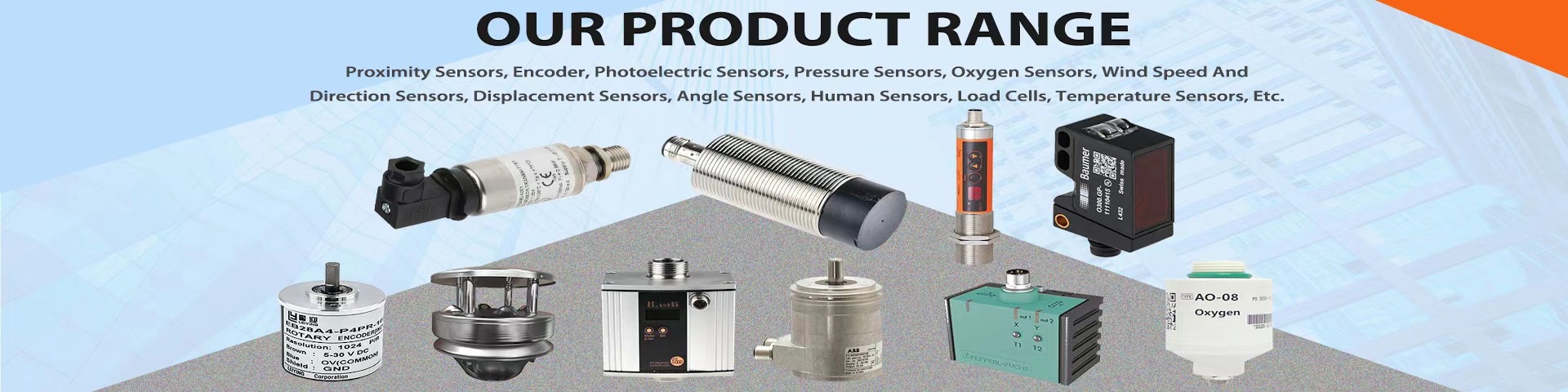

Преимущества использования оптических датчиков в промышленности
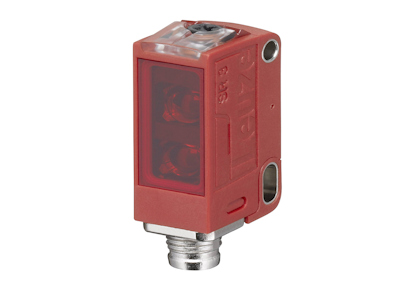
В современной промышленности оптические датчики становятся неотъемлемым компонентом автоматизированных систем, обеспечивая высокую точность, надежность и эффективность. Эти устройства, основанные на принципах оптики и световых технологий, находят применение в различных отраслях, от производства до логистики, и их использование продолжает расширяться благодаря технологическим инновациям. В этой статье мы подробно рассмотрим ключевые преимущества оптических датчиков, их роль в промышленных процессах, а также будущие тенденции, которые могут further усилить их impact.
1. Введение в оптические датчики
Оптические датчики — это устройства, которые используют свет для обнаружения, измерения или мониторинга физических параметров, таких как положение, расстояние, цвет, температура или присутствие объектов. Они работают на основе различных принципов, включая отражение, преломление, интерференцию и поглощение света. Основные типы оптических датчиков включают фотодатчики, датчики изображения, волоконно-оптические датчики и лазерные датчики. Каждый тип обладает уникальными характеристиками, которые делают их подходящими для specific промышленных applications.
Исторически, развитие оптических датчиков началось с простых фоторезисторов в середине XX века и эволюционировало до сложных систем, интегрированных с цифровыми технологиями. Сегодня, с advent индустрии 4.0 и интернета вещей (IoT), оптические датчики играют crucial роль в создании умных фабрик и автоматизированных production lines. Их ability to provide real-time data and high accuracy makes them indispensable in modern industrial settings.
В промышленности, оптические датчики используются для wide range of tasks, such as object detection in conveyor belts, quality control in manufacturing, level sensing in tanks, and safety monitoring in hazardous environments. For example, in automotive industry, они help in assembly lines to ensure parts are correctly placed, while in food processing, они monitor color and consistency to maintain product quality. The versatility of optical sensors allows them to adapt to various conditions, including harsh environments with extreme temperatures, dust, or moisture, thanks to advancements in materials and design.
Moreover, the integration of optical sensors with other technologies, such as artificial intelligence (AI) and machine learning, enables predictive maintenance and optimized operations. This not only reduces downtime but also enhances overall productivity. As we delve deeper into the advantages, it becomes clear that optical sensors are a cornerstone of industrial innovation and efficiency.
2. Повышенная точность и надежность
Одним из основных преимуществ оптических датчиков является их exceptional точность. Unlike mechanical sensors, which may suffer from wear and tear, optical sensors rely on light-based measurements that are inherently precise and repeatable. For instance, laser sensors can measure distances with micron-level accuracy, making them ideal for applications requiring high precision, such as in semiconductor manufacturing or metrology.
This accuracy is crucial in industrial processes where even minor deviations can lead to significant defects or failures. Optical sensors can detect subtle changes in position, size, or color that might be missed by other types of sensors. For example, in pharmaceutical industry, они используются для контроля таблеток на conformity to specifications, ensuring that each pill has the correct weight and composition. This level of precision helps in maintaining strict quality standards and reducing waste.
Additionally, optical sensors offer high reliability due to their non-contact nature. Since they do not physically touch the objects being measured, there is no risk of contamination or damage to either the sensor or the object. This is particularly important in industries like electronics or food processing, where cleanliness is paramount. Moreover, optical sensors are less prone to mechanical failures, as they have no moving parts that can wear out over time. This results in longer lifespan and reduced maintenance costs.
Environmental factors, such as temperature fluctuations or vibrations, can affect sensor performance, but modern optical sensors are designed to compensate for these issues through advanced calibration and shielding. For instance, fiber-optic sensors are immune to electromagnetic interference, making them suitable for use in environments with high electrical noise. Overall, the combination of accuracy and reliability makes optical sensors a preferred choice for critical industrial applications.
3. Автоматизация и эффективность процессов
Оптические датчики являются key enablers of industrial automation. By providing real-time data on process parameters, они allow for automated control and adjustment of machinery, leading to increased efficiency and productivity. In automated production lines, optical sensors can detect the presence, position, or orientation of parts, triggering actions such as sorting, assembling, or packaging without human intervention.
For example, in robotics, optical sensors are used for guidance and navigation, enabling robots to perform tasks with high precision. In logistics, они facilitate automated sorting systems in warehouses, where sensors read barcodes or RFID tags to route packages efficiently. This automation not only speeds up processes but also reduces labor costs and minimizes errors.
The efficiency gains from using optical sensors are substantial. Studies have shown that automated systems equipped with optical sensors can achieve throughput increases of up to 30% compared to manual operations. Furthermore, by continuously monitoring processes, optical sensors help in optimizing resource usage, such as reducing energy consumption or material waste. In energy-intensive industries, this can lead to significant cost savings and environmental benefits.
Integration with supervisory control and data acquisition (SCADA) systems or programmable logic controllers (PLCs) allows optical sensors to be part of a larger automated ecosystem. Data from sensors can be analyzed to identify bottlenecks or inefficiencies, enabling continuous improvement. As industries move towards fully autonomous operations, the role of optical sensors will only become more critical, driving further innovations in automation technology.
4. Улучшение контроля качества
Контроль качества является vital aspect of industrial production, and optical sensors excel in this area. Они can perform non-destructive testing and inspection at high speeds, ensuring that products meet required standards without slowing down the production process. Common applications include surface inspection for defects, color matching, dimensional measurement, and composition analysis.
In the textile industry, optical sensors are used to detect flaws in fabrics, such as tears or discolorations, allowing for immediate rejection of defective items. In automotive manufacturing, они inspect painted surfaces for scratches or unevenness, ensuring a flawless finish. The ability to capture detailed images or measurements in real-time enables rapid feedback and corrective actions, reducing the likelihood of defective products reaching the market.
Advanced optical sensors, such as hyperspectral imaging systems, can go beyond visual inspection to analyze chemical composition or moisture content. This is particularly useful in food and agriculture industries, where quality is directly linked to safety and shelf life. For instance, sensors can detect spoilage or contamination in food products, preventing health risks and recalls.
By implementing optical sensors for quality control, companies can achieve higher consistency and customer satisfaction. Statistical data shows that industries using optical inspection systems report up to a 20% reduction in defect rates. Moreover, the data collected can be used for traceability and compliance with regulatory requirements, further enhancing the overall quality management system.
5. Безопасность и мониторинг окружающей среды
Безопасность является paramount in industrial settings, and optical sensors contribute significantly to creating safer work environments. Они can monitor hazardous conditions, such as the presence of toxic gases, high temperatures, or radiation, and trigger alarms or shutdowns to prevent accidents. For example, infrared optical sensors are used to detect heat signatures in electrical equipment, identifying potential fire hazards before they escalate.
In addition to personnel safety, optical sensors help in protecting equipment and infrastructure. Vibration sensors based on fiber optics can monitor the structural health of machinery or buildings, alerting maintenance teams to issues before they lead to failures. This predictive maintenance approach reduces the risk of unexpected downtime and costly repairs.
Environmental monitoring is another critical application. Optical sensors can measure parameters like air quality, water purity, or emission levels, helping industries comply with environmental regulations. In mining or chemical plants, они detect leaks or spills, enabling quick response to mitigate environmental damage. The non-intrusive nature of optical sensors makes them ideal for continuous monitoring without disrupting operations.
Case studies from industries like oil and gas demonstrate how optical sensors have improved safety records. For instance, the use of distributed acoustic sensing (DAS) with fiber optics allows for real-time monitoring of pipeline integrity, reducing the risk of leaks and explosions. Overall, the integration of optical sensors into safety systems enhances risk management and promotes a culture of safety in industrial operations.
6. Интеграция с современными технологиями
The advent of Industry 4.0 and the Internet of Things (IoT) has opened new avenues for optical sensors. Они are increasingly being integrated with digital platforms, enabling smarter and more connected industrial systems. IoT-enabled optical sensors can transmit data wirelessly to cloud-based systems, where it is analyzed using AI algorithms for insights and decision-making.
This integration facilitates predictive analytics, where sensor data is used to forecast equipment failures or process deviations. For example, in manufacturing, optical sensors monitoring machine vibrations can predict when maintenance is needed, scheduling it proactively to avoid disruptions. This not only improves efficiency but also extends the lifespan of assets.
Moreover, optical sensors are key components in cyber-physical systems, where physical processes are controlled and monitored through computational algorithms. In smart grids, они help in monitoring power flow and detecting faults, contributing to grid stability. The interoperability of optical sensors with other devices, such as actuators or controllers, allows for seamless automation and optimization.
Future trends include the development of miniaturized and low-power optical sensors for widespread deployment in IoT networks. Advances in nanomaterials and photonics are expected to enhance sensor performance further, making them more sensitive and energy-efficient. As 5G technology rolls out, the bandwidth for data transmission from optical sensors will increase, enabling real-time analytics at unprecedented scales.
7. Экономическая эффективность и возврат инвестиций
While the initial investment in optical sensors can be significant, the long-term economic benefits are substantial. By improving accuracy, automation, and quality control, optical sensors reduce operational costs associated with errors, rework, and downtime. For instance, in a typical manufacturing plant, the implementation of optical sensors for inspection can lead to savings of thousands of dollars annually by minimizing waste and improving yield.
Return on investment (ROI) for optical sensor systems is often achieved within a few years. Studies indicate that companies investing in advanced sensor technologies see an average ROI of 15-25% over three to five years. This is due to factors such as increased production speed, reduced labor costs, and lower maintenance expenses. Additionally, the ability to meet higher quality standards can enhance market competitiveness and customer loyalty, leading to increased revenue.
Cost-benefit analysis should consider not only direct savings but also intangible benefits, such as improved safety and regulatory compliance. For example, avoiding a single accident or environmental fine can offset the cost of sensor implementation. Furthermore, as sensor technology evolves, prices are decreasing, making it more accessible for small and medium-sized enterprises to adopt these solutions.
In summary, the economic advantages of optical sensors make them a wise investment for industries looking to modernize and stay competitive. By leveraging data-driven insights, companies can optimize their operations and achieve sustainable growth.
8. Заключение и будущие перспективы
В заключение, оптические датчики предлагают множество преимуществ для промышленности, включая повышенную точность, автоматизацию, улучшение контроля качества, безопасность и интеграцию с передовыми технологиями. Их использование способствует созданию более efficient, safe, and sustainable industrial processes. As technology continues to advance, we can expect optical sensors to become even more intelligent, versatile, and cost-effective.
Future developments may include the integration of quantum sensors for ultra-high precision, or the use of artificial intelligence for autonomous decision-making based on sensor data. The expansion of IoT will further enhance the connectivity and scalability of optical sensor networks. Industries that embrace these innovations will be well-positioned to lead in the global market.
To fully capitalize on the benefits, companies should invest in training and infrastructure to support sensor deployment. Collaboration between industry stakeholders, researchers, and policymakers will be essential to address challenges such as standardization and data security. By doing so, the industrial sector can harness the full potential of optical sensors to drive progress and innovation.
In the years ahead, optical sensors will undoubtedly play a central role in shaping the future of industry, enabling smarter, more responsive, and more efficient operations worldwide.